

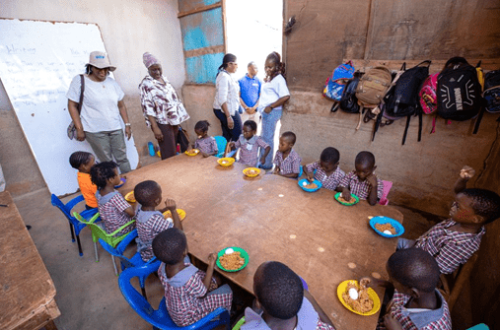
A daily school meal is keeping 60,000 children in class across Northern Ghana, the World Food Programme says, as the United States funded programme nears the end of its funding cycle this June.
The United Nations World Food Programme (WFP) said a recent field assessment across Tamale, Zebilla and Gambaga found the meals had lifted attendance, improved children’s health and strengthened learning readiness in 207 low fee private schools in vulnerable communities.
The programme, delivered with the Ghana School Feeding Programme (GSFP) and the Ministry of Education, tackles classroom hunger, malnutrition and rising dropout rates together, and removes a major cost from low income households, encouraging parents to keep children, especially girls, in school.
The mission reported sharp enrolment gains, with some schools recording up to threefold increases. At Oxford Grammar Academy in Tamale, enrolment nearly tripled from 175 to 445 pupils, according to the report.
Health gains featured too. At Harvest Community School, administrators reported a fall in diarrhoea cases after hygienic school meals replaced unregulated street food.
The programme also buys food from nearby smallholder farmers and engages local caterers, creating a steady market that the report said stabilises household incomes, reduces losses after harvest and supports small retail businesses supplying grains and vegetables.
With the current funding cycle ending this June, WFP used the three day mission partly to plan a sustainable handover. Country Director Aurore Rusiga said the agency was prioritising local ownership. “We are here to listen to you,” she told communities.
Rusiga said sustaining the gains would require continued investment and the political will to make school feeding a core part of Ghana’s human development agenda. Forgor said the findings could inform national policy on extending state backed feeding to low fee private schools at scale.
Some communities are already moving toward self-reliance. At Savior Academy in Gambaga, management said it would mobilise parents and community leaders to fund and sustain the meals independently.

