

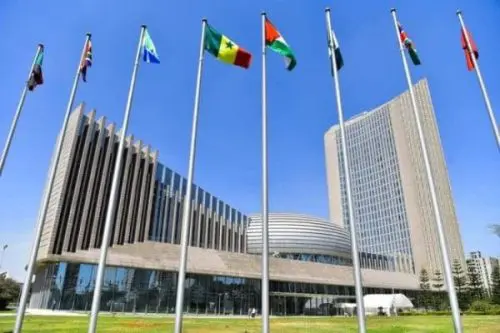
Ghana has formally asked the African Union (AU) to place recurring xenophobic attacks against African nationals in South Africa on the agenda of the organisation’s upcoming mid-year coordination meeting, escalating its diplomatic response from bilateral protests to a continental institutional mechanism.
In a diplomatic note dated May 6 and addressed to the Chairperson of the AU Commission, Foreign Affairs Minister Samuel Okudzeto Ablakwa described Accra as “deeply concerned” about repeated attacks targeting African migrants and said the violence had resulted in deaths, destruction of investments and growing insecurity among African nationals living in South Africa.
Ghana is asking for three specific interventions: inclusion of the matter on the agenda of the AU’s Eighth Mid-Year Coordination Meeting scheduled for June 24 to 27 in El Alamein, Egypt; strengthening of AU monitoring mechanisms for xenophobic incidents; and the establishment of a fact-finding mission into the root causes of anti-migrant violence in South Africa.
The diplomatic note argues that the attacks undermine the principles of Pan-Africanism and continental solidarity, conflict with the goals of the African Continental Free Trade Area (AfCFTA), which promotes free movement and economic cooperation, and could constitute violations of the African Charter on Human and Peoples’ Rights (ACHPR), to which South Africa is a signatory.
South Africa’s acting police minister Firoz Cachalia had previously described xenophobic acts as unlawful and a violation of the country’s constitutional values, but outbreaks of attacks against migrants from other African countries have continued.
Ghana’s AU appeal follows a series of bilateral steps taken in recent weeks. Ablakwa summoned South Africa’s Acting High Commissioner Thando Dalamba on April 23, formally expressing Ghana’s deep concern over videos showing Ghanaian residents being intimidated and harassed in parts of South Africa. That summons came after a phone call between Ablakwa and his South African counterpart Ronald Lamola.
Nigeria has also formally raised the xenophobia issue with South African authorities, with its foreign minister calling Lamola to discuss accusations of violence against Nigerians, including the death of two. Ghana’s decision to take the matter to the AU now seeks to convert what had been a series of bilateral complaints into a continent-wide institutional response.
The letter invoked the Pan-African ideals of Ghana’s first president Kwame Nkrumah, stating that Africa’s future is “one of shared dignity, prosperity, and mutual respect.”


