

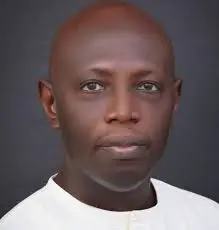
Ghana’s public finances are showing early strain as revenue growth trails government spending, economist Professor Isaac Boadi has warned, cautioning that the gap could force difficult fiscal choices within months.
Speaking on The Forum on Asaase Radio on Saturday, Boadi said revenue was expanding at about 3.6 percent of gross domestic product (GDP) while expenditure ran near 3.9 percent, a gap he described as an emerging deficit position that could push the government to borrow, print money or introduce new taxes by midyear.
“The government needs money because the pressures are there,” he said, pointing to rising salaries, interest payments and other recurrent costs that he warned would not ease through the 2026 and 2027 budget cycles.
His comments land amid debate over Ghana’s fiscal direction after recent tax changes, including the scrapping of some levies and proposals to reform digital taxation. Boadi argued that easing such burdens must be matched with clear alternative revenue sources.
He also questioned whether the Ghana Revenue Authority (GRA) had the expertise to tax companies registered online, arguing that traditional enforcement was weakening as economic activity shifts onto digital platforms.
Boadi tied the trend to a wider structural concern, noting that growth led by services rather than production can mask weak job creation. He has previously cautioned that compensation and interest payments together consume more than half the national budget, leaving little room for investment.
The government has pointed to falling inflation and renewed growth as proof of recovery, a narrative Boadi and other analysts say should not breed complacency over unresolved revenue weaknesses.

