

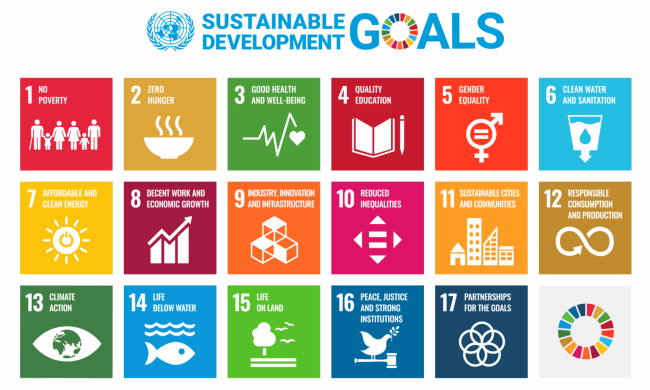
African leaders, ministers and development partners have adopted the Addis Ababa Declaration on Turning the Tide, issuing an urgent call for coordinated and transformative action to salvage the continent’s faltering progress on the Sustainable Development Goals (SDGs) and the African Union’s (AU) long-term development blueprint, Agenda 2063.
The declaration was adopted on April 30, 2026, at the close of the 12th session of the Africa Regional Forum on Sustainable Development (ARFSD-12), held in Addis Ababa, Ethiopia, from April 28 to 30 under the theme “Turning the Tide: Transformative and Coordinated Actions for the 2030 Agenda for Sustainable Development and Agenda 2063.” The forum drew 1,535 participants from 48 countries.
Participants acknowledged that Africa is significantly off course, with progress stalled on 12 of the 17 SDGs and outright regression recorded on five. Structural barriers cited include limited access to clean water and sanitation, energy poverty affecting an estimated 600 million people, weak industrial growth, rapid urbanisation and rising public debt. The continent faces an annual SDG financing gap estimated at between $670 billion and $848 billion.
The Economic Commission for Africa’s (ECA) Deputy Executive Secretary and Chief Economist, Hanan Morsy, summed up the urgency at the closing session. “Africa’s trajectory will be determined not by constraints alone, but by how decisively we act,” she said, adding: “The challenge is not diagnosis, it is delivery.”
The declaration identifies five SDG areas requiring immediate scale-up: clean water and sanitation, affordable and clean energy, industry and innovation, sustainable cities and communities, and partnerships for the goals. On energy, it calls for accelerated investment in decentralised renewable power, clean cooking technologies and regional electricity markets. On industry, ministers urged countries to align strategies with digital transformation, artificial intelligence and climate shifts while deepening regional value chains under the African Continental Free Trade Area (AfCFTA).
Financing reform featured prominently, with leaders renewing calls for fairer credit ratings, expanded domestic resource mobilisation and the establishment of an African credit rating agency to lower borrowing costs and attract investment.
The declaration places particular emphasis on young people, women and vulnerable communities, framing them not only as beneficiaries but as drivers of development who require targeted investment, access to finance and future-ready skills.
The Addis Ababa Declaration will serve as Africa’s unified position at the 2026 United Nations High-Level Political Forum on Sustainable Development, the 2026 UN Water Conference and other major international gatherings. It also signals Africa’s intent to shape the post-2030 global development agenda. The forum further welcomed Ethiopia’s forthcoming hosting of COP32 as an opportunity to push for implementation-focused climate action.
The forum was organised by the ECA in collaboration with the AU Commission and the African Development Bank (AfDB).

