

The Ghana Cocoa Board (COCOBOD) Chief Executive Dr Randy Abbey has disclosed that Ghana’s current challenge is not smuggling but uncompetitive pricing that has left cocoa beans unsold, marking a sharp reversal from last year’s situation when cross border smuggling dominated discussions.
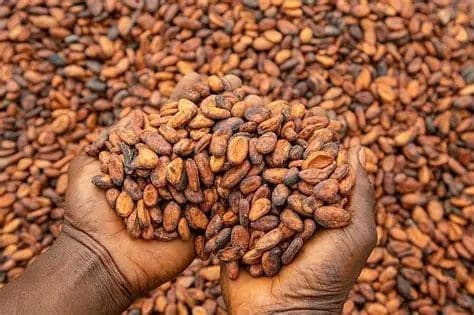
Speaking on Joy FM’s Newsfile programme on Saturday, February 14, 2026, Dr Abbey acknowledged that Ghana’s cocoa beans have become significantly more expensive compared to other producing countries, creating a pricing gap that has left the country with stockpiles of unsold produce. He revealed that this season has seen an unusual situation where licensed buying companies have supplied beans to COCOBOD, but these beans remain unsold due to pricing challenges.
The COCOBOD boss explained that while smuggling was severe in 2024, triggering daily arrest reports and high level national security meetings, market dynamics have fundamentally changed within a year. The current concern centers on Ghana’s pricing structure and its impact on demand, with international buyers avoiding Ghanaian cocoa due to higher costs.
Dr Abbey stated on Thursday, February 6, 2026, that although COCOBOD has sold more than 530,000 metric tonnes this season, about 50,000 metric tonnes remain at the ports without buyers, highlighting weak global demand and pricing pressures. He explained that Ghana’s cocoa beans have become uncompetitive as the gap between Ghana’s prices and competitor countries has widened significantly.
The pricing challenges stem from complex market conditions affecting the cocoa sector. Global cocoa prices have fallen to approximately $4,200 per tonne as of February 6, 2026, representing a 57 percent decline from the same period last year when prices reached between $9,000 and $12,000 per tonne. Meanwhile, Ghana pays farmers the equivalent of about GH₵80,640 per tonne, based on pricing decisions taken when exchange rates and global prices were significantly higher.
The Producer Price Review Committee (PPRC) announced on Thursday, February 12, 2026, new prices for cocoa at the farmgate for the rest of the 2025 to 2026 crop season, pegging a tonne at GH₵41,392 and a 64 kilogramme bag at GH₢2,587. The new price represents a reduction from the GH₵58,000 per tonne and GH₵3,625 per bag announced on October 2, 2025, although the revised price amounts to 90 percent of the free on board (FOB) export price compared to the previous 70 percent.
Finance Minister Dr Cassiel Ato Forson, who chairs the PPRC, explained during a press conference on February 12 that the world market price of cocoa has dropped significantly from an average of $7,200 per tonne to $4,100 per tonne, making Ghana’s cocoa beans uncompetitive and creating liquidity challenges. The minister stated that the current situation was largely driven by the unwillingness of buyers to purchase Ghana’s cocoa because it had become uncompetitive and very expensive.
Dr Abbey disclosed on Monday, February 9, 2026, that cocoa had been sold to buyers at an average price of about $2,600 per tonne but could not be delivered as agreed, resulting in contracts being rolled over into subsequent seasons at the same prices. This occurred when global cocoa prices surged to between $9,000 and $12,000 per tonne, prompting COCOBOD to honor older contracts at significantly higher prices, resulting in heavy losses.
The COCOBOD chief confirmed that the organization was burdened with total debt of GH₵32.9 billion as at the end of 2024, alongside a negative equity position of approximately GH₵3.8 billion, meaning the organization’s liabilities exceeded its assets. The debt burden includes legacy debts, uncrystallized contract obligations, procurement lapses, jute sack purchases, cocoa roads development, and accumulated costs for insecticides and fertilizers.
Dr Abbey rejected claims that COCOBOD had defaulted on syndicated loan repayments, stressing that the defaults related strictly to cocoa delivery contracts. He explained that for the first time in the history of the syndicated loan, the first tranche hit the COCOBOD account on December 22, 2023, with COCOBOD having defaulted on its loans and requesting deferment and haircuts under the Domestic Debt Exchange Programme (DDEP).
The traditional syndicated loan model, which financed cocoa purchases for 32 years, collapsed during the 2023 to 2024 season under the previous government. International banks, concerned by the default and the restructuring of COCOBOD’s domestic debt, withdrew from providing syndicated financing. When COCOBOD issued a request for proposals for the 2024 to 2025 season, banks did not respond because they did not believe the cocoa could be supplied.
Former COCOBOD Chief Executive Officer Joseph Boahen Aidoo announced in August 2024 that the board would not raise the annual syndicated loan for the 2024 to 2025 crop season, marking the first time in 32 years that COCOBOD would attempt to self finance its operations. The decision was partly driven by high interest rates exceeding 8 percent, up from as low as 1.5 percent in 2016.
However, the self financing experiment has left farmers unpaid and exposed fundamental weaknesses in Ghana’s cocoa production system. Without syndicated loan funding to provide upfront capital, Licensed Buying Companies (LBCs) have struggled to mobilize funds to purchase cocoa, creating severe liquidity constraints throughout the value chain.
The Minority Caucus in Parliament stated that COCOBOD owes LBCs more than GH₵10 billion for cocoa already delivered to the board. Jerome Kwaku Sam, Head of Corporate Communications at COCOBOD, said the board had released billions of cedis to LBCs since late 2025, with more than GH₵6 billion paid in November, more than GH₵5 billion in December, another GH₵6 billion in January, and over GH₵620 million in February 2026.
Dr Abbey stated on Thursday, February 12, 2026, that Cabinet had taken decisive steps to ensure that farmers who had supplied cocoa beans but were yet to be paid would receive their monies. He expressed optimism that measures announced by the finance minister and endorsed by Cabinet would stabilize the sector and position it for reforms under a new funding and pricing framework.
The government is developing a new funding model aimed at reducing reliance on raw beans export and promoting local processing to absorb more of the crop. This new structure is expected to take effect from the 2026 to 2027 season. Dr Abbey expressed hope that COCOBOD would navigate the current challenges and prepare very well for the next season, ensuring that farmers are dealt with fairly and that the industry is on a sustainable path.
President Samuel Adimado of the Licensed Cocoa Buyers Association of Ghana (LICOBAG) has warned of a looming collapse in the cocoa sector due to severe funding and liquidity challenges. He disclosed an urgent need for COCOBOD to address delayed payments to LBCs, which in turn affect farmers across the country. Many companies have been forced to pre finance cocoa purchases using local bank loans carrying high interest rates of about 29.8 percent due to delays in COCOBOD payments.
Ghana’s cocoa sector, once the chief export commodity massively supporting the economy, faces its deepest crisis in decades. The country is the world’s second largest cocoa producer but earned approximately $3.8 billion from cocoa exports in 2025, capturing only a modest share of the approximately $160 billion global chocolate market.

