

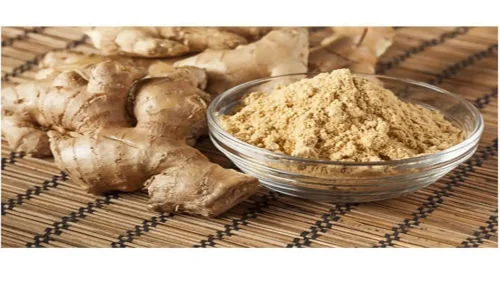
Retail traders at the Nana Bosoma Central Market in the Sunyani Municipality are caught in a deepening supply squeeze, unable to compete with bulk-buying traditional medicine producers who are draining ginger stocks directly from farm gates at prices small-scale sellers cannot match.
A Ghana News Agency (GNA) market survey conducted at the market on Wednesday found that the shift in buying patterns had tightened supply, pushed retail prices higher, and threatened the livelihoods of traders who depend on consistent access to the commodity.
Mrs Ataa Henewaa, a ginger seller, described the situation bluntly. “The price of ginger is quite expensive because we don’t even get the stuff to buy,” she said, adding that farmers now prefer to deal with bulk buyers from the traditional medicine sector who offer better farm-gate returns.
The traders warned that without government action, the municipality faces a sustained supply shortfall with knock-on effects for food markets and household budgets. They are calling for investment in commercial-scale ginger farming and improved access to agricultural inputs to raise output, stabilise prices, and restore equitable access across the value chain.
The complaint surfaces at a moment when Ghana’s broader agricultural sector is already under strain. Burkina Faso imposed an export ban on fresh tomatoes in March 2026, triggering shortages and price spikes across Ghana before diplomatic discussions led to the restriction being lifted on April 2. The episode exposed the fragility of supply chains that lean heavily on imports or single-source buyers.
At the same market, tomato sellers responded positively to President John Dramani Mahama’s recent announcement of a 60-hectare irrigated farming initiative designed to support year-round tomato cultivation and reduce post-harvest losses, unveiled at the Kwahu Business Forum on April 4.
But traders said irrigation alone falls short of what the value chain requires. Madam Brago Akosombo, a tomato seller, called for processing factories to absorb excess production and prevent losses during glut periods. Madam Ama Serwaa urged the government to actively develop export channels so that domestic surpluses translate into revenue rather than waste.
The Ghana Irrigation Development Authority (GIDA) has been directed to fast-track dry-season tomato production, with a stated target of between 200,000 and 300,000 metric tonnes within two to three years, against Ghana’s annual demand of approximately 800,000 metric tonnes. The gap between current output and national need underscores how far structural reform still has to travel.
The Nana Bosoma traders’ concerns point to a pattern repeating itself across Ghanaian agricultural markets: production that fails to keep pace with competing demand, insufficient processing infrastructure, and small traders left exposed when supply chains shift. Whether ginger or tomatoes, the traders’ message is the same, output must grow and markets must be better managed if small businesses at the base of the food economy are to survive.

