

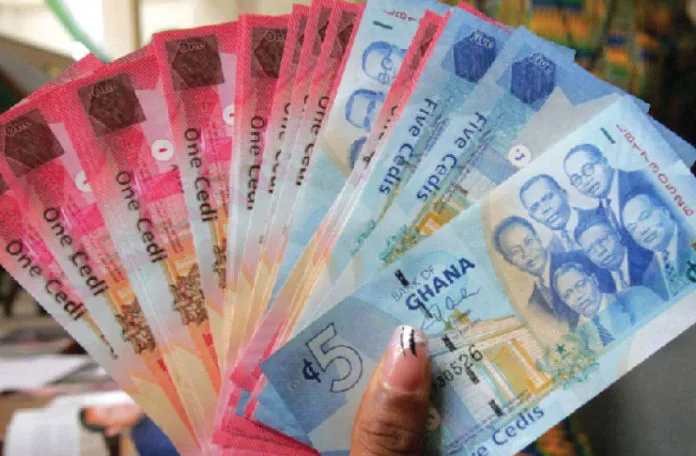
Ghana’s strengthened currency is making local businesses less competitive in African markets, according to Deloitte Ghana’s Financial Advisory Partner Yaw Appiah Lartey.
Speaking at the UPSA Law School-ABSA Banking Roundtable, Lartey warned that while the cedi’s appreciation benefits importers, it undermines Ghana’s export potential under the African Continental Free Trade Agreement (AfCFTA).
Lartey illustrated the problem with a personal example, noting that a Nigerian kaftan costing 150 Ghana cedis would be significantly more expensive if produced in Ghana due to exchange rates.
This price disparity, he explained, puts Ghanaian manufacturers at a disadvantage against regional competitors in key markets like Nigeria and Côte d’Ivoire.
While multinationals and dollar-denominated businesses benefit from the strong cedi, local exporters face shrinking demand. Lartey urged the Bank of Ghana to prioritize currency stability over appreciation to align with AfCFTA’s goals.
The challenge comes as Ghana hosts the AfCFTA Secretariat, positioning itself as a leader in continental trade integration under President John Mahama’s administration.

