

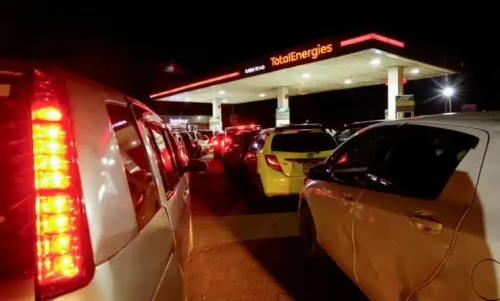
Kenya raised retail fuel prices for the second consecutive month on Thursday, with diesel recording its sharpest single cycle increase as the ongoing Iran conflict continues to disrupt global oil supplies and push energy costs higher across Africa.
The Energy and Petroleum Regulatory Authority (EPRA) announced new pump prices effective from May 15 to June 14. In Nairobi, petrol now sells at 214.25 Kenyan shillings per litre, up from 206.97 shillings. Diesel surged to 242.92 shillings from 196.63 shillings, a steep climb within a single pricing period. Kerosene held steady at 152.78 shillings.
The new figures follow an equally significant revision in April, when Kenya raised fuel prices by as much as 24.2 percent after crude oil prices climbed sharply on Middle East instability. Two consecutive months of major increases now place Kenyan consumers and businesses under sustained energy cost pressure.
Kenya imports nearly all of its petroleum products from Gulf suppliers, leaving it among the most exposed African economies to disruptions tied to the Iran conflict and shipping instability around the Strait of Hormuz. EPRA data confirmed the landed cost of imported diesel rose sharply in recent months, directly reflecting higher global crude prices and disruptions on the supply side.
The price increases are expected to move through Kenya’s broader economy, raising transport fares, food costs and operating expenses for businesses already facing inflationary pressure. Public transport operators have previously responded to similar adjustments by passing costs onto passengers, while businesses that rely on diesel logistics face growing operational strain.
The Kenyan government has attempted to cushion consumers through the Petroleum Development Levy Fund (PDLF), though analysts say the scale of global price increases is making full domestic protection increasingly difficult to maintain.
Economists have also warned that sustained fuel price growth could weaken the Kenyan shilling and widen the country’s trade deficit, as oil accounts for a substantial share of total import expenditure.
Kenya is among several African economies absorbing the economic fallout from the Middle East conflict, as rising energy import costs stoke inflation, elevate transport expenses, and threaten broader economic stability across the continent.

