

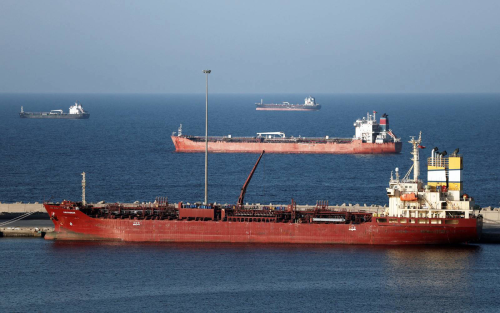
Four global institutions, including the International Monetary Fund and the World Bank, have warned that disruption to oil shipments through the Strait of Hormuz is draining global crude stocks.
In a joint statement on 29 May, issued after a high-level meeting the previous day, the bodies, which also include the International Energy Agency and the World Trade Organization, said the war in the Middle East was disrupting energy, trade and food markets, with the heaviest toll falling on vulnerable economies.
They said countries were running down stockpiles to offset lost supply, leaving global oil inventories to fall at a “record pace.” Roughly a fifth of the world’s oil consumption normally moves through the Hormuz chokepoint.
The institutions warned that if shipping flows did not return to normal, continued depletion ahead of peak summer demand in the Northern Hemisphere would raise risks to fuel security, market conditions and broader economic resilience.
Although the global economy had stayed resilient so far, they said higher fuel and fertilizer prices were piling pressure on developing countries and threatening jobs, livelihoods and farm output. Rising fertilizer costs, tied closely to natural gas prices, were a particular worry as many countries entered the planting season.
The meeting fell under a coordination framework set up in April to align the institutions’ response to the conflict’s economic fallout. They said they had reviewed conditions in the worst-hit countries, were monitoring government relief measures and fertilizer supply chains, and would keep coordinating support as the situation evolved.

