LATEST ARTICLES

The Conversion Gap: The Most Valuable Data in Your Business Is the “No” Nobody Wrote Down

0
The deal your team lost last week told you exactly why it died — and nobody in your company wrote it down.

Walk into most sales reviews in Accra, and you will hear the same scoreboard: leads generated, calls made, meetings booked, pipeline value.

Everyone can tell you how many deals are open. Almost nobody can tell you, in the customer’s own words, why the lost ones were lost.

That is the conversion gap, and it is rarely a product or pricing problem. Marketing is louder than ever, digital visibility is up, and sales teams are busier. Yet conversion stays flat.

Visibility without conversion remains the most expensive illusion in business, and a pipeline that looks full is not the same as a pipeline that is healthy. It is just a loud one.

A full pipeline is not a healthy one. It is just a loud one.

Here is the uncomfortable part. The richest piece of market research your company will ever receive arrives free, unprompted, from the mouth of a serious buyer — and your sales team is trained to make it disappear.

We call it “overcoming the objection.” We reward the rep who talks past the doubt and moves to close. In doing so, we delete the most honest sentence in the entire business conversation.

An objection is not resistance. When a customer says “your price is high,” “let me think about it,” or “send me a proposal and I’ll get back to you,” they are telling you precisely where trust is thin, where value was not clear, where the offer felt risky, or where the timing is not right.

Those are not sales problems. They are business signals — about your pricing, your delivery reputation, your positioning, and your follow-through.

Why this matters more in our market

Ghanaian and African buyers buy with caution, and they have earned that caution. Too many have lived through poor delivery, weak after-sales service, and promises that quietly evaporated.

So “let me think about it” is rarely a polite no. It is often a request for more confidence than you have given them yet.

The business that hears rejection misses the real message: the customer is still in the room, asking to be convinced. The sale is lost in the silence after the “no” — not in the pitch before it.

An objection is not resistance. It is free market research your team is trained to delete.

The Objection Loop: Capture, Cluster, Correct

Here is one simple enough model to take into Monday’s meeting and repeat to your team.

  • Capture— record the exact words of the top objection on every lost or stalled deal. Not a category. The words.
  • Cluster— each week, find the three objections you hear most often.
  • Correct— send the top one to the function that actually owns it.

Because a recurring objection is almost always a department’s problem wearing a salesperson’s uniform — a pricing gap, a marketing gap, a delivery-trust gap. The fix rarely lives in the sales team.

Every recurring objection is a department’s problem wearing a salesperson’s uniform.

Four things to do this week

  1. Add one field to your sales report: the customer’s exact objection on every deal that did not close.
  2. In your next review, rank the top three recurring objections before you celebrate a single win.
  3. Take the number-one objection and hand it to pricing, marketing, or operations — not back to sales.
  4. Stop scoring reps only on deals closed. Score the quality of what they bring back from the deals they lose.

What it means for the organisation

Do this, and the sales function stops being a closing machine and becomes the most valuable listening post in the company.

Every lost deal teaches the organisation something. Every recurring concern reshapes the next campaign, proposal, and price. Execution beats ambition — and disciplined listening is the execution most leaders never implement.

The companies that win Africa’s next growth phase will not be the loudest in the market. They will be the most disciplined in the conversation — the ones who turned hesitation into insight, insight into trust, and trust into revenue.

You do not close the conversion gap with more noise. You close it by writing down what the market keeps telling you.

Your move

So, the real question for your team is not whether you are generating enough leads. It is this: where exactly are you losing the deal — in the pitch, or in the silence after the “no” that nobody wrote down?

If your pipeline looks full but conversion is flat, that is the gap to close. 

MGA Consulting Ghana Limited runs a Sales Conversion Diagnostic that pinpoints where deals leak between interest and decision and turns your team’s lost-deal objections into a working improvement plan. Start at michaelabbiw.com.

By Michael Abbiw | The Growth Desk with Michael Abbiw

Sit-Down Strike Rocks Prestea Sankofa Gold Over Delayed Worker Benefits

Workers of Prestea Sankofa Gold Limited (PSGL) in the Western Region have embarked on a sit-down strike over unpaid June salaries and delays in the implementation of a Memorandum of Understanding (MoU) covering their end-of-service benefits, salary increment and arrears.

The workers claim the Managing Director (MD) of the gold mining company has refused to sign his portion of the MoU, preventing the agreement from being fully implemented.

According to the workers, negotiations on the MoU began in February and were concluded in April, with an agreement that the new arrangements would take effect in May.

However, they said months after the agreement was reached, the provisions of the MoU have not been fully implemented due to what they described as management’s failure to complete the signing process.

“The first person to sign is the MD, followed by a representative of the national workers’ union, then the local union and the board,” the workers explained.

The Chairman of the Local Workers’ Union, Michael Awotwe, said the workers were unable to understand why the process had stalled.

“It was agreed that the workers’ benefits, including salary arrears and end-of-service benefits, would be paid from May this year to those who are due. So we do not understand the attitude of our MD,” he said.

The Secretary of the Local Union, Daniel Cudjoe, also expressed concern over the delay, adding that workers had not received their June salaries.

“Our salaries are normally paid between the 21st and 27th of every month, or latest by the end of the month. We are in July, but our June salaries have still not been paid,” he stated.

Mr Cudjoe said the workers would maintain their sit-down strike until management begins implementing the terms agreed upon in the MoU.

Company Response

The Public Relations Officer (PRO) of PSGL, Ebenezer Essien, confirmed that the June salaries of workers had not been paid but attributed the delay to challenges affecting the signing of payment documents.

He explained that payment vouchers had already been prepared, but officials expected to sign the documents were unable to access the office due to the recent flood situation in Accra.

He assured workers that the issue would be resolved and payments would be made once the documents were signed.

On the MoU dispute, Mr Essien denied claims that the MD had refused to sign the agreement.

He said the negotiations began before the current MD and Board of Directors assumed office, making some aspects of the agreement a legacy issue that required further consideration.

According to him, the company had already implemented the salary adjustment, resulting in an 11 per cent increase for workers.

He added that the outstanding issues, including the end-of-service benefits, would be discussed by the Board of Directors to determine timelines for implementation.

“It is not the decision of the MD alone. The salary increment has been done and the rest will follow,” he said.

PhD Mentorship: The Impactful Contributions of Prof. Raymond Dziwornu

0

One of the most difficult aspects of academia is a university’s capacity to admit and subsequently produce PhD graduates every four (4) years. It takes quality leadership, couple with the right administrative strategies, to provide enabling environment for PhD students to complete their studies and graduate.

When UPSA started its PhD programmes, the number of doctoral programmes was two, with a low graduation rate, until Prof. Raymond Dziwornu was appointed Director of the Office of Doctoral Programmes. With his effective leadership, discipline, mentorship, and enthusiasm, the story began to change for the better.

Under the tenure of Prof. Dziwornu as Director of the UPSA Office of Doctoral Programmes (ODP), and working in collaboration with the Faculties, the number of doctoral programmes increased from two (2) to eight (8). In addition, the number of PhD graduates increased significantly within his first year in office, clearing almost 70% of the backlog of PhD candidates. By the end of his tenure as Director of the Office of Doctoral Programmes, a total of 33 PhD candidates had successfully graduated, demonstrating his excellent leadership, results-oriented approach, and superior administrative style.

In June 2026, the ODP of the University of Professional Studies, Accra (UPSA) honoured Prof. Dziwornu for his significant impact, dedicated service, distinguished leadership, and outstanding contributions to the advancement of doctoral education and institutional growth in the University.

The competence of Prof. Raymond Dziwornu demonstrates that he is one of academia’s greatest assets, especially in PhD mentorship.

Prof. Dziwornu is currently an Associate Professor of Applied Economics and a globally recognised Certified Governance, Risk & Compliance Professional. He has extensive experience in both academia and industry, belonging to several professional associations across the globe, and serves as external examiner to local and foreign universities.

He served faithfully at UPSA as Director of the Office of Doctoral Programmes, Dean of the Faculty of Accounting & Finance, Head of the Department of Banking & Finance, Research and Programmes Coordinator, as well as Hall Tutor.

During his tenure as Dean of the Faculty of Accounting & Finance, Prof. Dziwornu provided exemplary academic and administrative leadership that strengthened the Faculty’s reputation within the University. He championed academic excellence, promoted quality teaching and research, enhanced collaboration among faculty members, and supported initiatives that improved student learning and staff development. His commitment to high standards, professionalism, and effective governance brought a positive image to the Faculty and further enhanced its standing among stakeholders, leaving behind a legacy of excellence and institutional growth. He has achieved several incredible milestones at UPSA, and the future certainly looks brighter for him, as he exits the Office of Doctoral Programmes as Director to pursue further interests.

Prof. Raymond Dziwornu is highly appreciated by the many PhD and MPhil graduates he mentored during his tenure as Director. He possesses excellent team spirit, humility in service, and a God-fearing nature that has empowered many of his students to succeed. We wish Prof. Dziwornu the best in his future endeavours.

UDS Partners AfYEF to Advance Plans for John Dramani Mahama Presidential Library and Legacy Centre

The University for Development Studies (UDS) has signed a Memorandum of Understanding (MoU) with the AfCFTA Young Entrepreneurs Federation (AfYEF) to support the development of the proposed John Dramani Mahama Presidential Library and Legacy Centre (JDM-PLLC).

The signing ceremony took place on Thursday, July 2, 2026, at the Office of the Vice-Chancellor, Professor Mohammed Muniru Iddrisu, on the Tamale Campus of the University.

The MoU establishes a strategic framework for collaboration between UDS and AfYEF in areas including academic research, archival documentation, leadership studies, civic education, digital curation, student skills development, innovation, and institutional capacity building.

AfYEF was represented by its President, Mr. Hissan Siita Sofo, who was accompanied by members of the Federation’s leadership team. Also in attendance were representatives of Telecel Ghana, AfYEF’s strategic partner for communications and digital connectivity: Mr. Cobbina Jonathan, Enterprise Regional Head (Northern); Mr. Dawuso Christopher, Regional Sales Manager; and Mr. Gbedemah Kelvin, Solution Architect.

Speaking during the ceremony, both parties reaffirmed their shared commitment to establishing a world-class presidential library and legacy institution that will preserve the public service, leadership journey, and democratic contributions of President John Dramani Mahama, while promoting research, leadership development, public policy dialogue, youth empowerment, and digital knowledge preservation.

The partnership is expected to strengthen academic engagement around governance, leadership, and national development while creating opportunities for students, researchers, and the wider public to access valuable historical resources and participate in educational programmes associated with the Centre.

The ceremony concluded with the exchange of signed documents and commemorative souvenirs, followed by discussions on the implementation roadmap for the partnership and future collaborative initiatives.

The event was coordinated by the Directorate of International Relations and Advancement of the University for Development Studies.

The Accra Floods: Whiles We Build a New City, Let’s Fix the One We Have

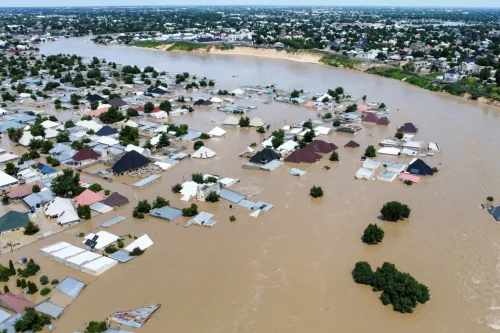
When torrential rains submerged large parts of Accra on June 29, the floods exposed something deeper than blocked drains. They exposed the widening gap between the city we have and the city we want to build. Ghana has over the years played political football with the perennial floods, but these unprecedented rains are unlike anything we’ve witnessed and give us a rude awakening to a new reality that is going to confront us.

The torrential rains that overwhelmed old cities such as Circle, Alajo, Kaneshie, Adabraka, Achimota, Weija, Madina, Adenta, Lapaz, and Spintex show a spread wide enough to make clear this was not a localised drainage failure but a citywide one. The devastation left in its wake is more severe than anything in recent memory. One thing is certain: this will not be the last flood, and without decisive action, it will get worse in subsequent years.

While politicians play the blame game and jostle to build political capital from the moment, it is more useful to elevate the discussion of how we actually mitigate future floods. Much of the public conversation has settled on a familiar villain: the dumping of refuse into open sewers. I agree this is a factor. But it is only a small fraction of a much bigger problem, and treating it as the whole story lets everyone off the hook too easily.

The President’s Response

President John Dramani Mahama, responding to the floods, has in addition to announcement of relief provisions proposed building a new city to decongest central Accra, with government departments relocated out of the current Central Business District (CBD). By his own account, this is not a quick fix but an approximate 20-year undertaking, with technical designs still being worked out before any land is demarcated for residential, commercial, or institutional use.

The Philippines offers a useful, still-unfolding case study in managing exactly this kind of expectation. New Clark City, planned from 2012 as a resilient new metropolis north of Manila, was explicitly conceived to decongest the capital by relocating government functions and residents onto higher, safer ground. Fourteen years on, its road network is still under 40 percent complete and its national government administrative center only recently broke ground. None of this means the project has failed. Long-horizon infrastructure genuinely takes this long everywhere. But it is a clear signal that a new city cannot be the thing standing between residents and relief from the next flood; it arrives on its own long timeline, and the old city needs its own, much shorter one running alongside it. A new city can be a genuine long-term asset without being the near-term flood solution. Accra should plan for both truths at once, and communicate that honestly to residents now rather than let expectations drift ahead of the timeline.

The realities of the execution timeline is worth considering, not as a criticism of the vision, but as a reason to run two tracks at once. A 20-year horizon for a new city means residents need relief on a much shorter timeline than that. The most useful complement to the President’s long-term vision is an immediate, parallel programme to modernise the city we already have — so that when the new city does arrive, it inherits a well-functioning Accra rather than a deferred problem.

This raises real opportunities, but also real questions. Accra is overcrowded; and that overcrowding strains infrastructure and multiplies waste. But the operative question is not simply “where do we build next”? It is how we transition an old, organically grown city into a modern one that can sustain a growing population! Posed to developers, both public and private, that question opens a pathway that can serve the President’s long-term vision while modernising the city we’re standing in right now. What we should not do is throw money at symptoms without first diagnosing the underlying disease.

Location, Location, Location

If a new city is coming, the single most consequential question is: where? Everything else follows from it:

1. How will people actually get to this city?
2. Will it be predominantly commercial, predominantly residential, or a genuine mix?
3. What transport will connect it to the rest of Accra — road, rail, or both?
4. What amenities will be built to support daily life there, not just office hours?
5. How will it be zoned, and by whom?

There is little doubt a new CBD is needed. The government has already invested heavily in the current one, so an important part of the plan; one I’m confident the technical teams are already considering is what happens to those buildings once departments relocate. Answering that well ensures the new city adds capacity rather than simply shifting the same challenges to a new address.

A Technical Plan for the City We Already Have

While the cleanup from this year’s floods continues, government should be preparing for next year’s floods with a concrete technical plan. One that can be executed in a fraction of the time a new city will take.

1. Reconcile the Land Registry with an As-Built Plan

The most basic obstacle to fixing Accra is that nobody fully agrees on what has actually been built where. A search on the same property at the Lands Commission and at the Town and Country Planning Department routinely produces two different pictures. This is not a paperwork inconvenience! It is the reason buildings have gone up on natural water pathways and disrupted drainage infrastructure that was designed decades ago. It is impossible to enforce a plan that doesn’t match reality on the ground.

Rwanda faced a similar problem in Kigali in the 2000s: unplanned settlements sat on drainage corridors and wetlands, and property records didn’t reflect what had actually been built. Kigali’s response was to commission a comprehensive land-use and satellite survey before any resettlement or demolition began, so that decisions were based on verified ground truth rather than outdated maps. Accra needs the same discipline: Government must commission its surveyors and town planners to produce a single, authoritative “As-Built” plan for the city before a single demolition exercise is carried out. As the name suggests, “As-built” plans is the actual documentation representing infrastructure and buildings as they physically exist on the ground rather than how they were originally conceived. Demolishing structures without this baseline risks repeating the very disorder we’re trying to fix.

2. Harmonise the As-Built Plan with Infrastructure and Environmental Data

Once an As-Built plan exists, it must be harmonised with road and infrastructure layouts, geological surveys, and Environmental Protection Agency data. These bodies currently work in silos. A single integrated plan ensures that where a road is widened, a drain is also resized to match, rather than infrastructure upgrades happening piecemeal and out of sync with each other, which is a large part of why Accra’s drainage has fallen so far behind its growth.

3. Size Drainage and Roads to the Plan, Not to Convenience

An As-Built plan tells government what type of roads and what size of drainage a given community actually needs, based on real population density — not on whatever budget or contractor happens to be available that year. Singapore’s Public Utilities Board offers a useful comparator: its drainage master plan is revised on a rolling basis against actual land-use and rainfall data, rather than being fixed once and left untouched for decades. Accra’s drainage plan should work the same way; treated as a living document updated against real usage, not a static blueprint from the 1958 city plan.

4. Decentralise Waste Collection, Keep Treatment Centralised

Waste management deserves a more surgical look than it currently gets. I favour a disintegrated system: large operators like Zoomlion should handle treatment and disposal at scale, where their infrastructure investment makes sense, but collection sits with the communities themselves, organised at the Assembly level. Community-based collection creates local jobs and, just as importantly, creates a shorter, more visible accountability chain: when the people collecting your refuse live on your street, service failures are harder to ignore and easier to trace back to a specific point of failure, rather than disappearing into a single distant company’s system-wide problem.

5. Build Functional Cities, Not Passive Residential Zones

Too often, we treat our homes as islands within the city rather than as part of it. In cities like Kigali and Singapore, residents pay municipal levies that visibly fund local services, enforcement of city regulations is transparent and largely insulated from political interference, and residents are consulted before new developments break ground nearby. A functional city is one where residents are active participants in its administration, not passive recipients of whatever gets built around them. Giving residents a genuine voice in decisions and enforcement is what makes regulations stick. Compliance follows naturally when people feel some ownership of the rules, rather than having them imposed from a distance.

6. Develop and maintain a continuity database for Accra.

None of the city implementation and management plans works without actionable data. It is imperative to maintain a continuously updated digital record of the city’s infrastructure, maintenance history, flood incidents, sensor data, planning decisions, and city council minutes and programmes. Reviving the Ghana Post Digital Address system and overlaying it onto this record would give it real, everyday utility — supporting property identification, approved modifications, and tax participation, not just parcel delivery. Bringing data from all these agencies into a single, shared database builds a knowledge base that keeps improving on itself: every flood, every disaster, every planning decision feeds directly into how the city plans and builds next, rather than being filed away and forgotten once the immediate crisis passes.

Two Visions, One Foundation

Mr. President’s vision for a new city is a laudable one, and it deserves the careful, well-resourced planning process that a project of this scale requires. Towns are erupting around Accra almost daily, and the city’s rapid growth has put enormous strain on infrastructure that was never designed to carry this much weight — which is exactly why the vision matters.

Technical institutions including the Ghana Real Estate Developers Association (GREDA) working alongside government technocrats, are well placed to produce a rigorous blueprint that serves both ambitions at once; realising the President’s vision for a new city, while modernisingthe one we already have. Ghana does not have to choose between the two, and pursuing both together gives each a far better chance of succeeding. A well-modernised Accra is the strongest possible foundation for the new city to build on. It is important to emphasize that cities are not transformed by blueprints alone. Disasters will inevitably strike from time to time; but resilient cities rebound on the back of well-developed data-driven continuity plans that continuously improve the spaces people already call home!

Author:

Profile of Author:

Kojo Ansah Mensah is a business executive, with over fifteen years of leadership experience across Ghana and Nigeria, serving as CEO of JonahCapital Nigeria Limited and Mobus Property Development. Since 2012, he has led real estate and hospitality investments in Abuja and Accra totaling hundreds of millions of dollars, helping create hundreds of jobs, and continues to champion private-sector investment, sustainable urban development, and economic cooperation between Ghana and Nigeria.

Email: [email protected] / [email protected]

Police Arrest Eric Afoakwa, Convicted of Money Laundering and Fraud, at Airport Escape Bid

The Ghana Police Service has arrested convicted fraudster Eric Afoakwa, popularly known as “Chad,” after years on the run following his conviction for multiple financial crimes.

According to the Police, Afoakwa was apprehended on Monday, July 6, while allegedly preparing to leave the country in an operation led by the Anti-Armed Robbery Unit on the directive of the Inspector-General of Police (IGP), Christian Tetteh Yohuno.

Afoakwa was convicted in absentia by the Accra High Court in 2019 on five of six charges, including money laundering, defrauding by false pretences, forgery of official documents, and tax evasion.

The trial judge, Justice Georgina Mensah Datsa, sentenced him to eight years’ imprisonment, with the sentences to run concurrently. The court also ordered him to refund $132,660 to the complainant.

Following the conviction, Afoakwa reportedly disappeared, prompting the Economic and Organised Crime Office (EOCO) to declare him wanted and appeal to the public for information that could lead to his arrest.

In a statement posted on Facebook, the Ghana Police Service confirmed that Afoakwa would be handed over to EOCO to facilitate the enforcement of the High Court’s judgment.

The Police said the arrest demonstrates the security agencies’ resolve to track down convicted persons who attempt to evade justice, stressing that fugitives will continue to be pursued until they are brought before the law.

The Service further reaffirmed its commitment to working closely with relevant state institutions to ensure that individuals convicted of criminal offences are held accountable and made to face the full rigours of the law.

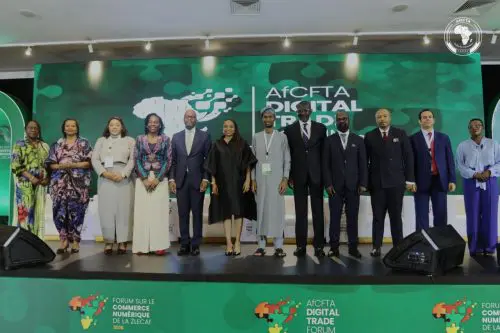
AfCFTA Digital Trade Forum Closes in Lagos with Eight Calls to Action on Digital Market Implementation

The second edition of the Forum shifts the AfCFTA Protocol on Digital Trade from negotiation to measurable implementation.

The African Continental Free Trade Area (AfCFTA) Secretariat, together with the Government of the Federal Republic of Nigeria, closed the second AfCFTA Digital Trade Forum in Lagos on 2 July 2026, held under the theme “Digital Trade for a Connected African Market.” Convening policymakers, regulators, entrepreneurs, investors and development partners from across the continent, the Forum adopted Eight Calls to Action setting time-bound commitments to operationalise the AfCFTA digital market.

The Forum marked a deliberate shift from negotiation to implementation. With the AfCFTA’s legal architecture for digital trade now substantially in place — the Protocol on Digital Trade adopted by the Assembly of the African Union — the Secretariat and State Parties turned their attention to putting the framework to use across payments, data flows and cross-border trade.

Africa’s digital economy, estimated at approximately US$180 billion today and projected to approach US$712 billion by 2050, gives the Protocol its urgency. As speakers underlined, its value will be measured not by adoption, but by implementation and by its impact on African businesses and citizens.

The Forum’s central outcome was its Eight Calls to Action — a shared roadmap addressed to State Parties, the Secretariat and the private sector:

1. Accelerate ratification and domestication of the Protocol on Digital Trade.

2. Build Africa’s digital public infrastructure — digital identity, connectivity, payments and digital public services.

3. Modernise cross-border trade systems through paperless trade, electronic processes and harmonised procedures.

4. Build trust and confidence in the digital marketplace through cybersecurity, consumer protection and responsible data governance.

5. Expand digital inclusion, skills and innovation, with women, youth, MSMEs and rural communities at the centre.

6. Mobilise investment to turn African innovation into solutions that scale across the continent.

7. Advance public-private partnerships as the delivery model for Africa’s digital transformation.

8. Advance secure, interoperable cross-border payments so that money moves as freely as goods and services.

Implementation is already under way. The Secretariat pointed to the AfCFTA Digital Inclusion and Entrepreneurship Programme (ADIEP), which — in partnership with Google — is equipping 7,500 African SMEs across 19 countries with digital trade skills through three modules: cross-border digital trade, cloud for small business, and AI for productivity. Cross-border systems such as the Pan-African Payment and Settlement System (PAPSS) are already reducing the cost and friction of intra-African payments.

Among the Forum’s concrete outcomes, the Secretariat and Quest Ghana Limited signed a Memorandum of Understanding to develop a Digital Trade Corridor to facilitate, track and settle cross-border trade transactions in line with AfCFTA rules and regulations.

In his remarks, H.E. Wamkele Mene, Secretary-General of the AfCFTA, framed digital trade as a present reality rather than a distant ambition, underscoring its potential to bring often-overlooked communities — African women, youth and rural populations — into the formal economy, and identifying harmonised rules, connectivity, trusted cross-border data flows and skills as the foundations of a continental digital economy. “We are ready to take responsibility for our own destiny as Africans — to advance Africa’s digital economy — with the support of our partners across the world,” he said.

Dr Jumoke Oduwole, Honourable Minister of Industry, Trade and Investment of Nigeria and Chair of the AfCFTA Council of Ministers Responsible for Trade, reaffirmed Nigeria’s commitment — as co-champion of the Protocol on Digital Trade — to advancing its implementation.

For the Protocol to deliver, the Secretariat stressed, African governments must integrate digital trade into their broader national development and trade strategies — turning continental commitment into national action.

Childhood Cancer Society of Ghana Calls for Timely Diagnosis to Achieve WHO 60% Survival Target

The Childhood Cancer Society of Ghana  (CCSG) has intensified calls for a coordinated national response to boost childhood cancer survival rates through improved diagnosis, strengthened specialist care, and equitable access to treatment across the country.

The appeal was made at the Society’s 2026 Annual General Meeting (AGM) held in Accra under the theme: “Towards the WHO GICC 60% Survival: Timely Diagnosis and Access to Effective Therapy.” The meeting brought together clinicians, policymakers, development partners, civil society organisations, and families to review progress and challenges in childhood cancer care.

Paediatric Oncology Unit At Korle Bu Teaching Hospital Prof Vivian Paintsil

Ghana Urged to Prioritise Childhood Cancer Care

Head of the Paediatric Oncology Unit at Korle Bu Teaching Hospital, Prof Vivian Paintsil, called on government to make childhood cancer a national health priority, stressing the need for increased investment in early detection systems, specialist treatment, and financial protection for affected families.

She explained that the World Health Organization’s Global Initiative for Childhood Cancer (GICC) aims to help countries achieve at least a 60 per cent survival rate for children diagnosed with cancer through improved early diagnosis and access to quality treatment.

Prof. Paintsil noted that while survival rates exceed 85 per cent in high-income countries, Ghana’s remains below 50 per cent, highlighting major gaps in the health system.

“We believe Ghana can improve its survival rate to over 60 per cent through timely diagnosis and equitable access to effective care,” she said.

Specialist Shortages and Inequitable Access Remain Major Challenges

Prof. Paintsil identified shortages of specialised healthcare workers as one of the biggest challenges facing childhood cancer care in Ghana, including limited numbers of paediatric oncologists, radiologists, radiation oncologists, and pathologists.

She also highlighted disparities in access to treatment, noting that radiation therapy services are concentrated in a few facilities in major cities, forcing families from other regions to travel long distances for care.

“If a child in Tamale needs radiation therapy, they currently have to travel to Kumasi or Accra. That is inequitable access to care,” she said.

Chairperson Dr Hilda Boye President Of The Paediatric Society Of Ghana Psg

Families Call for Stronger Coordination and Continuous Support

Chairperson of the AGM and President of the Paediatric Society of Ghana, Dr Hilda Boye, said many families continue to face delayed referrals, financial hardship, fear, and emotional distress following a childhood cancer diagnosis.

She noted that the theme of the AGM reflects the need for early identification, accurate diagnosis, and sustained support throughout the treatment journey.

“Behind every statistic is a child with great potential, a family seeking hope, and a health system that must respond with urgency, compassion and competence,” she said.

Dr Boye stressed that improving survival outcomes requires collaboration among all stakeholders, including clinicians, nurses, pharmacists, radiologists, pathologists, palliative care teams, policymakers, development partners, civil society organisations, and families.

She also paid tribute to parents, caregivers, and survivors, urging stakeholders to ensure that policies and programmes reflect the realities of families, especially those in underserved areas.Stakeholders

Global Partner Highlights Diagnostic Gaps and System Challenges

Programme Manager for World Child Cancer Ghana, Ms Pinamang Boateng-Densu, said Ghana records an estimated 1,500 to 2,000 childhood cancer cases annually, but only about one-third are diagnosed.

She explained that key barriers include weak diagnostic systems, delayed or incorrect diagnosis, high treatment costs, limited access to specialised care, treatment abandonment, and inadequate funding.

Ms Boateng-Densu added that survival rates in Ghana remain below 50 per cent, compared to over 80 per cent in high-income countries, making the WHO GICC target of 60 per cent survival by 2030 both urgent and necessary.

She outlined World Child Cancer Ghana’s interventions, which include early and accurate diagnosis, improved treatment and supportive care, capacity building, and strengthened partnerships.

She further disclosed that over 2,000 healthcare professionals have been trained on early warning signs of childhood cancer, with follow-up assessments showing sustained improvement in knowledge and practice.

She added that more than 2,700 families have received support covering diagnostics, treatment, transportation, and nutrition, while several survivors are benefiting from scholarship support programmes.

Ms Boateng-Densu also highlighted collaboration with the Ghana Health Service to develop treatment guidelines, nutrition guidelines, and radiologic imaging protocols for childhood cancers.

She called for stronger referral systems, expanded National Health Insurance coverage, improved access to essential medicines, establishment of accommodation facilities near treatment centres, and the creation of a national childhood cancer registry.

Director Of Operations At The Ghana Medical Trust Fund Dr William Omane Adjekum

Ghana Medical Trust Fund Outlines Reform and Support Measures

The Director of Operations at the Ghana Medical Trust Fund, Dr William Omane Adjekum, said the Fund is rolling out reforms aimed at strengthening financial support for patients with cancer and other non-communicable diseases in Ghana.

He explained that since its establishment, the Fund has been assessing health facilities across the country to identify gaps in infrastructure, equipment, and specialist workforce, particularly in referral and teaching hospitals.

Dr Adjekum said the Fund is addressing these gaps through targeted interventions, including the supply of essential medical equipment, infrastructure upgrades, and support for specialist training.

He noted that the Fund is also investing in decentralised specialist training in collaboration with professional colleges, aimed at increasing the number of specialists and improving retention across regions.

He further disclosed that the Fund is working on infrastructure projects, including cardiology centres and catheterisation laboratories in selected locations, to improve access to advanced care.

According to him, a digital referral system has been developed and integrated with the Ghana Health Service platform to streamline applications for patient support and improve efficiency in processing cases.

Dr Adjekum explained that under the Fund’s service package, childhood cancers have been prioritised alongside selected adult cancers, including breast, cervical, and prostate cancer.

He added that comprehensive cost modelling has been completed to cover the full treatment pathway, including diagnostics, intensive treatment, and follow-up care.

He further noted that approval processes involve medical experts through multidisciplinary teams (MDTs), ensuring that decisions are clinically guided and cost-effective.

Dr Adjekum also said that while legislation allows approval within 14 days, the Fund has structured its internal systems to process approvals within seven days where possible.

He stressed that safeguards have been introduced to prevent misuse, including pre-authorization requirements for expensive investigations and treatment pathways, except in certain routine cases such as flow cytometry for childhood cancers.

He added that external specialists, including paediatric and adult oncologists in Accra and Kumasi, have been engaged to support decision-making on approvals to ensure clinical accuracy and accountability.

Stakeholders at the AGM agreed that achieving the WHO target of 60 per cent survival for childhood cancer in Ghana will require stronger coordination, sustained investment, expanded specialist capacity, and equitable access to care to ensure no child is left behind.


Busy Body x Creative Color Cell Transform Fashion Into a Hands-On Creative Experience

In an era where influence is increasingly measured by impact, Ghanaian fitness coach and travel enthusiast Raphic Frimpong is proving that a commitment to health extends far beyond the gym. As the founder of RazzyFit, a fast-growing fitness and lifestyle brand, Frimpong has built a platform that inspires individuals to embrace active living through engaging workout sessions, beach fitness experiences, and travel adventures that encourage people to explore the world while prioritizing their well-being. His passion for fitness, coupled with his love for travel, has positioned him as an advocate for living a balanced and purpose-driven life.

Following the devastating floods that recently affected parts of Accra, Frimpong demonstrated that true leadership is rooted in compassion. Through RazzyFit, he organized and donated packs of food and essential supplies to families impacted by the disaster, offering timely relief to those facing difficult circumstances. The gesture was more than a charitable donation—it reflected his belief that genuine strength is defined not only by physical fitness but also by the willingness to stand with others during their greatest moments of need.

The flood relief initiative has been widely recognized as an extension of the values that RazzyFit represents. While the brand continues to motivate people to pursue healthier lifestyles through fitness coaching and wellness content, it also emphasizes the importance of social responsibility, empathy, and community support. Frimpong’s actions serve as a reminder that fitness is not solely about building stronger bodies but also about cultivating stronger, more resilient communities.

As RazzyFit continues to expand its reach across Ghana and beyond, Raphic Frimpong remains dedicated to using his platform to inspire meaningful change. Whether leading an early morning beach workout, documenting his travel experiences, or giving back to vulnerable communities, he continues to demonstrate that purpose and service can go hand in hand. His recent donation to flood victims reinforces a powerful message: the greatest measure of success lies not only in personal achievement but also in the positive difference one makes in the lives of others.

RazzyFit Founder Raphic Frimpong Combines Fitness, Travel, and Community Impact Through Flood Relief Initiative

In an era where influence is increasingly measured by impact, Ghanaian fitness coach and travel enthusiast Raphic Frimpong is proving that a commitment to health extends far beyond the gym. As the founder of RazzyFit, a fast-growing fitness and lifestyle brand, Frimpong has built a platform that inspires individuals to embrace active living through engaging workout sessions, beach fitness experiences, and travel adventures that encourage people to explore the world while prioritizing their well-being. His passion for fitness, coupled with his love for travel, has positioned him as an advocate for living a balanced and purpose-driven life.

Following the devastating floods that recently affected parts of Accra, Frimpong demonstrated that true leadership is rooted in compassion. Through RazzyFit, he organized and donated packs of food and essential supplies to families impacted by the disaster, offering timely relief to those facing difficult circumstances. The gesture was more than a charitable donation—it reflected his belief that genuine strength is defined not only by physical fitness but also by the willingness to stand with others during their greatest moments of need.

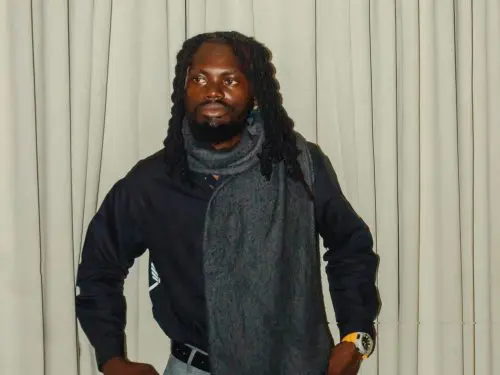
Raphic Frimpong Pic
Raphic Frimpong Pic

The flood relief initiative has been widely recognized as an extension of the values that RazzyFit represents. While the brand continues to motivate people to pursue healthier lifestyles through fitness coaching and wellness content, it also emphasizes the importance of social responsibility, empathy, and community support. Frimpong’s actions serve as a reminder that fitness is not solely about building stronger bodies but also about cultivating stronger, more resilient communities.

As RazzyFit continues to expand its reach across Ghana and beyond, Raphic Frimpong remains dedicated to using his platform to inspire meaningful change. Whether leading an early morning beach workout, documenting his travel experiences, or giving back to vulnerable communities, he continues to demonstrate that purpose and service can go hand in hand. His recent donation to flood victims reinforces a powerful message: the greatest measure of success lies not only in personal achievement but also in the positive difference one makes in the lives of others.

Lambamills Shares New SIngle “Poverty”

Following the release of ‘Oluwa’ earlier this year, Nigerian Afrobeats artist Lambamills continues his impressive run with a brand-new single titled ‘Poverty’.

The record sees Lambamills deliver another infectious Afrobeats offering, blending captivating melodies with heartfelt storytelling and vibrant production. Produced by Robin Marni and Tega Starr, ‘Poverty’ showcases the artist’s evolving sound while maintaining the authentic style that has continued to resonate with listeners.

Building on the momentum of ‘Oluwa’, ‘Poverty’ marks another step forward in Lambamills’ musical journey, highlighting his consistency and versatility as one of the exciting emerging voices in Afrobeats. With its polished production and memorable delivery, the single is poised to connect with both longtime fans and new audiences alike.

‘Poverty’ is now available on all major streaming platforms.

Apple Music Announces July’s Exclusive Isgubhu DJ Mix, Mixed by Aniko, with DJ LeSoul as the Isgubhu Playlist Cover Star

Apple Music has released its latest Isgubhu DJ Mix, featuring an exclusive mix from Nigerian DJ, curator, and cultural connector Aniko, available exclusively on Apple Music from Friday, 3 July 2026.

Isgubhu continues to serve as Apple Music’s home for African dance music culture, spotlighting the producers, DJs, and underground innovators shaping the continent’s club scenes. Each month, Isgubhu highlights the boundary-pushing sounds redefining Afro house, 3-step, gqom, and electronic music across Africa.

Aniko has become a key voice within a new generation of DJs and curators helping to shape the future of African dance music. Known for championing emerging African electronic sounds and fostering creative communities through her “Group Therapy” events series, her work exists at the intersection of music, culture, and community, connecting audiences to sounds that move seamlessly across borders and scenes.

For her Isgubhu DJ Mix, Aniko delivers a journey through the contemporary landscape of African electronic music, using Afro House and Amapiano to anchor a selection of emerging club sounds from across the continent. Designed as both a snapshot of the present moment and a statement of intent, the mix reflects the growing confidence and global reach of African dance music.

“This mix is a map of where African electronic music is right now,” Aniko tells Apple Music. “The Afro House and Amapiano core is the engine of this sound globally, and I wanted that weight to anchor everything. Then I pulled in the Nigerian house movement and the mara movement because we are finally getting our own language.”

Featuring tracks from artists including Thakzin, Vanco, Deep Narratives, Naija House Mafia, Divine Keys, and Fela Kuti, the mix moves effortlessly between deep, percussive grooves and euphoric moments of release, highlighting the rich conversations taking place across African electronic music today.

Describing the mood of the mix, Aniko says, “It’s the baseline of my work with ‘Group Therapy.’ Joy that is earned. It builds rather than arriving all at once, so by the time you get to ‘Freedom Dance’, you’ve worked for the release. It’s communal, a little sweaty, the feeling of a dance floor at the hour when everyone has stopped performing and is just moving.”

Reflecting on the future of African dance music, Aniko believes the conversation has shifted beyond recognition and towards ownership. “The music has gone global on its own terms and on African timelines,” she explains. “The next step in our evolution is infrastructure. Artists are building their own labels, events and distribution instead of waiting to be discovered. The next phase is less about a breakout genre and more about Africans owning the platforms where the music lives.”

“This mix journeys across the continent and back, from Johannesburg all the way to Lagos.” she adds. “It’s African dance music with nothing to prove and everything to say.”

Listeners can stream the Isgubhu DJ Mix by Aniko exclusively on Apple Music, alongside the Isgubhu playlist, which continues to spotlight the best in African dance and electronic music.

Listen to the Isgubhu playlist now on Apple Music.

Isgubhu July 2026 (DJ Mix) mixed by Aniko Tracklisting:

  1. Deep Narratives, Doxx & Griffith Malo — Woza
  2. Jey Charles, Heavy-K & Dlala Thukzin feat. vincii 929 — Ungabayeki
  3. Maline Aura, Drega & &Lez — Mabebuza (&Lez Remix)
  4. Thakzin, MÖRDA, Osaze & Lyrik Shoxen — Water
  5. Drumetic Boyz — Black Genesis
  6. Vanco feat. DEELA — Repeat
  7. Blacks Jnr, Dankie Boi, GoldMax & Bhuwa G feat. Woza Bakzin, Captain & Mgilane — Asisho Sonke
  8. Naija House Mafia, Calix, Jamie Black & Sigag Lauren — Bani Kudi
  9. DJ Kamol 2 — MAD
  10. Sky White — Twirli Twirli
  11. Lojay — Tenner (Aniko Remix)
  12. Thakzin, Atmos Blaq & Mpho. Wav feat. SUFFOCATE SA, Citizen Deep, Divine Keys, Baby S.O.N & Tete — Imali Yephepha
  13. Aniko — Joyniko (Unreleased)
  14. Dlala Thukzin, Zeh McGeba & MK Productions — Moja
  15. Kususa & MANU (UK) — Freedom Dance
  16. BLOND feat. Fela Kuti — Mr. Grammarticalogylisationalism Boss (BLOND Remix)
  17. Divine Keys, Jnr SA & Frigid Armadillo — Afrique
  18. Damie & Dolapo Martins — Come Back

This month’s Isgubhu cover star, DJ LeSoul, returns with To God’s Ears, a deeply personal album that channels faith, healing, and gratitude through soulful Afro-house, house and 3-Step sounds. The title track, featuring Manu Worldstar, Nhlonipho and Slick Widit, serves as the emotional heart of the project, pairing warm percussion, soaring melodies and powerful vocals with a message of hope, resilience and unwavering belief. Both reflective and uplifting, “To God’s Ears” is a moving reminder that every prayer and dream carries meaning.

Isgubhu also houses a collection of alumni playlists, editorial playlists, exclusive DJ mixes, and additional content from the best dance and electronic acts on the continent.

Check out Isgubhu only on Apple Music: http://apple.co/Isgubhu

UPSA Commissions J.K. Horgle Transport and Logistics Center

0

Report by Ben LARYEA.

The University of Professional Studies, Accra (UPSA) in partnership with J.K. Horgle Transport and Company Limited has commissioned a state – of – the -art facility known as the ‘’J.K. Horgle Transport and Logistics Center at a grand ceremony on the campus of UPSA.

The Centre will deliver certificate, diploma and executive programmes in areas such as transport and logistics management, fleet safety and compliance, supply chain and ware house management, petroleum haulage operations, green and sustainable logistics, executive certificate in petroleum haulage, safety and compliance, driving and fleet skills development.

Consequently, it will coordinate internship. Industrial field studies, mentorship and training programmes, innovation challenges, lectures to enhance student employability and career readiness as well as applied research, consultancy services and policies in transport and logistics.

Speaking at the official launch of the Center, the Deputy Minister for Transport, Madam Dorcas Affo Toffey said the center will bridge the gap between academia, industry and government and urged the private sector to continue to partner government since transport forms the back bone of the country’s economy.

She said the center is a strategic partner to the Ministry and commended UPSA for introducing courses in transport related sectors, adding that transport and logistics have immensely impacted on goods and services in boosting the economy of the country.

She however praised J.K. Horgle Transport Company Limited for the unwavering commitments in the transport sector saying the company have contributed largely to the sector and again applauded UPSA for the brilliant initiative adding that it will enhance Ghana’s transport and logistics sector.

For his part, the Vice Chancellor of UPSA, Professor John Kwaku Mensah Mawutor urged students to take advantage of the opportunities at the Center as the University is running courses in transport and logistics to enable them seek employment in the respective sectors.

He expressed his gratitude to Dr. F. K. Horgle for funding the Center and assured that the University will abide by the objectives of the facility and ensure that the purpose is achieved, adding that management, staffs and students will also receive training and learning at the facility to enable them be abreast with the emerging trends in the driving space.

Founder and Executive Chairman of J.K. Horgle Transport and Company Limited, Dr. Joseph K. Horgle in a remark dedicated to Center to all drivers and players in the transport value chain and thank the management of UPSA for naming the Center after him.

Calls Grow for NDC to Investigate Stephen Ofosu Agyare’s Audio on Hon. Naa Koryoo

0

By: Muhammed Faisal Mustapha/Felix Ernest Odamtten

The controversy surrounding what many have described as irresponsible remarks made by the Chairman of the National Democratic Congress (NDC) in the Awutu Senya East Constituency of the Central Region, Mr. Stephen Ofosu Agyare, about the Member of Parliament for Awutu Senya East, Hon. Phillis Naa Koryoo Okunor, has continued to generate public outrage.

According to a WhatsApp voice note of the constituency chairman shared by himself and circulated in a WhatsApp group in which the Vice President, Professor Naana Jane Opoku-Agyemang, is reported to be a member, he claimed that he had been in a romantic relationship with the MP and that they had been intimate on several occasions.

These allegations are serious enough to warrant a prompt, transparent and impartial investigation by the National Executives of the NDC. If party rules have been breached, appropriate sanctions should be considered against Mr. Stephen Ofosu Agyare to prevent future occurrences.

What has become even more disturbing is the apparent silence of the leadership of the NDC, the party’s Women’s Wing, Parliament’s Women’s Caucus and many women’s rights organisations that have consistently spoken against the abuse and humiliation of women in public life.

Hon. Naa Koryoo is a married woman. Allegations of this nature, particularly when circulated widely on social media before any independent verification, have the potential to damage not only her public reputation but also her marriage and family life. This makes the need for a responsible and timely response even more urgent.

According to the WhatsApp voice note currently circulating on social media, Mr. Ofosu Agyare is heard saying that no party leader can sanction him. If accurately represented, such a statement would suggest a worrying belief that he is beyond accountability and untouchable.

That perception, if left unaddressed, could undermine public confidence in the NDC’s commitment to discipline and internal accountability, while creating room for indiscipline within the party.

Many political observers believe the continued silence of the party leadership is beginning to create the impression that the matter is not being treated with the seriousness it deserves. Whether or not that perception is fair, it is one the party cannot afford to ignore.

The NDC has built much of its political identity on justice, equality and defending the vulnerable. Those values should be demonstrated through action whenever serious issues emerge, regardless of who is involved.

Hon. Naa Koryoo has been widely recognised by party supporters in the constituency as someone who stood firmly with the NDC during difficult periods. During the years the party was in opposition, she endured significant personal and political challenges while remaining committed to the party’s cause. She went on to defeat an incumbent Member of Parliament, a victory many supporters regard as evidence of her resilience and sacrifice.

Many supporters therefore believe she should not be left to endure public humiliation without a clear and decisive response from the very party she has served.

This is bigger than one individual or one constituency.

Until today, at the time of filing this article, no prompt disciplinary action has been taken. If the National Executives of the party fail to act, the consequences could extend beyond Awutu Senya East. It could damage the NDC’s image nationally by creating the perception that some party officials are above accountability.

Political parties earn public trust not only through campaign promises but also through how they respond when difficult issues arise within their own ranks.

This is also a defining moment for Parliament’s Women’s Caucus, the NDC Women’s Wing and women’s advocacy groups across Ghana. Their credibility depends on defending the dignity of women consistently, not selectively.

Every Ghanaian, man or woman, should reject any conduct that demeans women in public life. Respect for women must never be determined by political affiliation.

The NDC leadership now faces a critical test. The party should ensure that the allegations are investigated fairly and swiftly and, if wrongdoing is established, appropriate disciplinary measures should follow in accordance with the party’s rules.

A timely and transparent response would not only protect the dignity and reputation of Hon. Naa Koryoo Okunor but would also reinforce public confidence that no individual is above the rules of the party.

For many Ghanaians, silence is no longer enough. They are looking for leadership, accountability and action.

Harvest Rain, Grow Grass to Stop Accra Floods – Justice Yeboah

0

The President of the Progressive Youth Federation Ghana, Justice Yeboah, has proposed a series of measures aimed at addressing the persistent flooding that affects parts of Accra during the rainy season.

According to him, introducing a national policy on rainwater harvesting for households in the capital and encouraging the planting of grass along drainage systems could significantly reduce the impact of flooding.

Speaking on the recurring floods in Accra, Yeboah described the capital as a naturally flood-prone area, explaining that many of its large streams have gradually been converted into drains and gutters, reducing their capacity to channel stormwater effectively.

He further noted that runoff from the Akuapem Range eventually flows into Accra, placing enormous pressure on the city’s drainage infrastructure.

“Accra itself is a flood-prone area. Most of the water from the Akuapem Range ends up in the city, and because many natural streams have been turned into gutters, the drainage system struggles to contain the volume of water, resulting in perennial flooding,” he said.

To address the situation, Yeboah called on the government to introduce a policy requiring every household in Accra to harvest rainwater from rooftops.

He explained that rainwater falling directly from roofs gathers significant force, picking up dust and other sediments before carrying them into drains, where they accumulate and reduce the drains’ capacity.

He noted that harvested rainwater could be stored and used for domestic purposes such as washing, cleaning and other household activities.

“Accra is already experiencing water shortages. Harvesting rainwater will not only reduce the amount of runoff entering drains but will also provide an alternative source of water for households,” he stated.

Yeboah also proposed that the government make it compulsory for property owners to plant grass along the sides of drainage systems.

According to him, vegetation would help trap soil and sediments before they are washed into drains during heavy rainfall.

He argued that many drains become choked with sand not because residents deliberately dump soil into them, but because stormwater erodes loose earth and transports it into the drainage channels.

“If grass is planted around drains, it will reduce soil erosion and prevent large amounts of sand from being washed into the drainage systems. This will help keep the drains clear and improve the flow of water during heavy rains,” he explained.

Yeboah expressed optimism that the implementation of these measures would significantly reduce the recurring floods that continue to affect lives and property in Accra, while also contributing to improved water conservation and environmental management.


Deputy Transport Minister Launches J.K. Horgle Transport and Logistics Centre at UPSA

The Deputy Minister for Transport, Dorcas Affo-Toffey, has officially launched the J.K. Horgle Transport and Logistics Centre at the University of Professional Studies, Accra (UPSA).
The Centre is to promote professional training, research, innovation and stronger collaboration between academia, industry and government to support a safe, efficient, integrated and sustainable transport system for Ghana.

Speaking at the launch ceremony, Madam Affo-Toffey said the establishment of the Centre demonstrates the government’s commitment to strengthening the country’s transport and logistics industry through knowledge-driven solutions, research and professional capacity development.

She described the initiative as a major milestone in Ghana’s efforts to build a modern, innovative and globally competitive transport and logistics sector.

She noted that Ghana’s transport sector is undergoing significant transformation and requires skilled professionals, innovative ideas and evidence-based policy interventions to meet growing national and international demands.

“The launch of the J.K. Horgle Transport and Logistics Centre is timely and strategic. It provides a platform for developing the human capital and research capacity needed to support a transport system that is safe, efficient, integrated and sustainable,” she stated.

The Deputy Minister emphasized that the Centre will serve as a hub for professional training, cutting-edge research, innovation and policy dialogue while fostering stronger collaboration among academia, industry players and government institutions.

“Transport and its related activities form the backbone of Ghana’s economy, logistics I s the invisible engine of trade, job creation and food security, yet there are challenges such as skills gap, data gap and coordination gap”, Madam Affo-Toffey added.

According to her, partnerships between universities, policymakers and the private sector are essential to addressing emerging challenges in transportation, logistics and supply chain management, especially in the context of rapid technological advancements and regional trade integration.

She expressed confidence that the Centre would contribute significantly to producing highly skilled professionals equipped with practical knowledge and innovative solutions to drive the country’s economic growth.

Madam Affo-Toffey also commended UPSA for its commitment to academic excellence and for taking the initiative to establish a centre dedicated to advancing transport and logistics education and research.

She urged stakeholders in the transport industry to take advantage of the Centre’s programmes, research opportunities and collaborative initiatives to improve service delivery, operational efficiency and policy development across the sector.

“There are few Ghanaians trained in modern transport planning, fleet management, and supply chain analytics who drive transport policies and its implementation”, the Deputy Minister added.

The Jomoro MP said “there is a data gap where policy is often made without evidence from the field. There is a coordination gap between the among academia, government and industries”.

The J.K. Horgle Transport and Logistics Centre has been established to promote professional education, research, innovation and strategic partnerships aimed at supporting Ghana’s transport and logistics ecosystem. The Centre is expected to provide a platform for developing industry-focused solutions, influencing policy formulation and preparing professionals capable of meeting the demands of an increasingly competitive global transport environment.

The launch brought together government officials, academia, transport and logistics professionals, industry stakeholders and students, who described the Centre as a significant investment in the future of Ghana’s transport sector.

Stakeholders expressed optimism that the Centre would play a leading role in shaping transport policy, advancing research, promoting innovation and producing the skilled workforce required to support Ghana’s long-term socio-economic development and position the country as a regional hub for transport and logistics excellence.

AfCFTA Council of Ministers concludes 18th Meeting in Abuja, Nigeria assumes the chairpersonship

The African Continental Free Trade Area (AfCFTA) Council of Ministers Responsible for Trade concluded its 18th Meeting in Abuja, hosted by the Federal Republic of Nigeria, at a defining moment for the continental economic trajectory.

With the Agreement’s legal architecture now substantially in place, the emphasis shifts decisively from negotiating the rules of African trade to making them work.

In a deliberate strategic choice, Ministers placed implementation — and the delivery of measurable outcomes for African businesses and citizens — at the centre of the next phase of their work, as Nigeria took the baton of Chairpersonship of the Council from the Arab Republic of Egypt.

The Meeting followed an important milestone reached at the 39th Ordinary Session of the Assembly of Heads of State and Government in February 2026, which adopted a set of Annexes to the Protocol on Intellectual Property Rights and significantly advanced the Phase II agenda.

A limited number of legal instruments remain under negotiation — notably an outstanding Annex to the Investment Protocol and a remaining Annex to the Protocol on Intellectual Property Rights — which State Parties are working to finalise.

UPF Ghana Calls for Swift Climate Action After Devastating Floods

The Universal Peace Federation (UPF) Ghana has called for urgent national action to strengthen climate resilience following the devastating floods that swept through parts of the country after heavy rains on June 28 and 29.

The organisation said the recent disaster, which triggered widespread flooding, mudslides and fires, underscored the need for Ghana to shift from reactive disaster management to proactive climate adaptation measures.

The statement was jointly signed by the Chairman of UPF Ghana, Hon. Frank Fuseini Adongo, and the President of the Ambassadors for Peace Association, Amb. Ojo Samuel.

In a statement issued in Accra, UPF Ghana and its Ambassadors for Peace network expressed condolences to families who lost loved ones and sympathised with communities affected by the disaster.

According to the statement, the torrential rains resulted in more than 22 deaths, left several people missing and caused the collapse of dozens of buildings across the Central, Western North and Greater Accra regions.

Chairman of UPF Ghana, Hon. Frank Fuseini Adongo, said sustainable peace could not be achieved while climate-related disasters continued to destroy communities.

“We cannot achieve sustainable peace while climate disasters ravage our communities. We must pivot from disaster response to proactive, national climate resilience immediately,” he said.

UPF Ghana said the call aligns with the United Nations Sustainable Development Goal (SDG) 13, which seeks to combat climate change and its impacts through urgent action.

President of the Ambassadors for Peace Association, Amb. Ojo Samuel, described the floods as a wake-up call and stressed the importance of collective action to address the growing impact of climate change.

“This tragedy is a wake-up call for all of us. UPF Ghana and the Ambassadors for Peace Association reaffirm our commitment to working with government agencies, humanitarian organisations, traditional leaders, faith-based institutions and community stakeholders to support relief efforts, promote environmental stewardship, and collectively build resilient communities before more lives are lost,” he stated.

The organisation pledged to collaborate with government agencies, humanitarian organisations, traditional authorities, faith-based institutions and local communities to support ongoing relief efforts while promoting environmental stewardship and long-term climate resilience.

UPF Ghana also extended its thoughts and prayers to bereaved families and all those affected by the floods, urging stakeholders at all levels to prioritise climate action to reduce the impact of future disasters.

Apple Music Announces EKENE As This Month’s Africa Rising Cover Star

Apple Music today announced Nigerian singer-songwriter EKENE as the newest cover star of its Africa Rising playlist, a flagship initiative dedicated to championing the next generation of African talent.

Emerging as one of the most compelling new voices in Nigeria’s alt-pop scene, EKENE turns deeply personal experiences into thoughtful, emotionally resonant songs. Through introspective songwriting, soulful melodies and genre-fluid production, he has begun to carve out a distinctive artistic identity that speaks to a generation navigating questions of identity, belonging and self-discovery.

His debut single “Lullaby’ introduced EKENE as an artist in his own lane, with a sound rooted in stripped back, textured R&B that refuses to follow the current Afrobeats trend.

His latest project, Little Us , is a deeply introspective body of work that takes the form of a conversation between EKENE and his younger self. Rooted in the experience of growing up in a strict, religious Nigerian household, the project explores themes of identity, repression, faith and delayed self-discovery, tracing the emotional impact of the environments and belief systems that shape us.

Little Us reflects on the complexities of navigating family expectations, emotional expression and personal growth within a conservative environment. Nostalgic and reflective in tone, the project balances moments of heaviness with warmth and understanding, inviting listeners to revisit their own memories, question inherited patterns and better understand the versions of themselves they are still learning to make peace with.

“This project is really me trying to stay in touch with my younger self. I am understanding him, forgiving him, and saying the things I didn’t know how to say back then,” EKENE says of the project. “I just want people to hear it and feel seen.” Speaking on his selection as this month’s Africa Rising cover star, EKENE adds: “I am so grateful to, in some way, represent the amazing voices of my generation coming out of Africa, and doing so as a new artist makes this all the more special to me. I’m super thankful for the opportunity.”

Little Us delivers a thoughtful and emotionally rich statement that positions EKENE among a new generation of African artists reshaping the continent’s contemporary music. As this month’s Africa Rising cover star, EKENE will be featured across the Africa Rising playlist, join Ebro Darden for a conversation airing on Apple Music 1, and will feature in an Africa Now Radio episode with host Nandi Madida, offering listeners deeper insight into his journey and creative vision.

About Apple Music’s Africa Rising Campaign

Since 2020, Apple Music’s artist development programme Africa Rising has showcased the best and brightest emerging artists from around the continent, exposing them to global audiences and allowing their music to reach fresh ears. With the eyes of the world firmly fixed on Africa’s vibrant music scene, Africa Rising has spotlighted emerging African artists across the Apple Music ecosystem, including Tyla, Omah Lay, Rema, Tems, Ayra Starr, Amarae and many more.

Informal Poll Puts Opong-Fosu Ahead in NDC Chairmanship Race


Former Minister and Board Chairman of the Ghana Investment Promotion Centre (GIPC), Hon. Akwasi Opong-Fosu, is seeking to become the next National Chairman of the National Democratic Congress (NDC), with the contest expected to attract significant attention ahead of the party’s next organisational elections.

A founding member of the NDC, Opong-Fosu has served in several senior government positions over a public service career spanning more than four decades.

He has emerged as the frontrunner in an informal online poll conducted by Today.com.gh ahead of the National Democratic Congress (NDC)’s upcoming National Chairmanship election. The poll, which gauged public sentiment on the contest, placed Opong-Fosu firmly ahead of the other declared contenders after he secured 67.7 per cent of the votes cast.

Former Member of Parliament Nii Lante Vanderpuye followed with 19.8 per cent, while former National Chairman Samuel Ofosu Ampofo obtained 7.45 per cent. Alhaji Sinare received 4.34 per cent, with Chief Sofo Azorka polling 0.62 per cent.

Although the poll was not a scientific survey and does not reflect the views of the NDC’s delegate base, the results suggest strong public recognition and visibility for Opong-Fosu as the race begins to take shape.

Opong-Fosu is recognised as Ghana’s longest-serving PNDC District Secretary and District Chief Executive, having served continuously for 18 years before holding several ministerial and leadership positions under successive NDC administrations.

He served as Deputy Minister for Local Government under former President Jerry John Rawlings, Head of the Local Government Service and Acting Minister for Local Government under the late President John Evans Atta Mills, and later as Minister for Local Government and Rural Development, Minister for Environment, Science, Technology and Innovation, and Minister of State at the Presidency responsible for Development Authorities under former President John Dramani Mahama. He also represented the Amenfi East Constituency in Parliament from 2013 to 2017.

Beyond national politics, Opong-Fosu has held several international leadership positions, including President of United Cities and Local Governments of Africa (UCLG-Africa), Vice-President of United Cities and Local Governments (UCLG), Chairman of the ACP Local Government Platform, and a member of the United Nations Advisory Committee on Local Authorities.

Academically, he holds a PhD in Governance and Leadership from the European International University, Paris, an MSc in Public Policy and Management from SOAS, University of London, and has completed executive leadership programmes at the Harvard Kennedy School and the London School of Economics.

While the  poll offers an early indication of public sentiment, accredited NDC delegates will ultimately determine the outcome of the National Chairmanship election. Opong-Fosu is contesting under the campaign theme: “Restoring Values. Renewing Mindsets. Resetting Ghana.”


7th edition of School Sanitation Solutions: World Vision Ghana calls for entries

World Vision Ghana, a Christian relief, development and advocacy organization dedicated to working with children, families and communities to overcome poverty and injustice, has officially opened entries for the 7th edition of the School Sanitation Solutions (Triple S) Challenge, inviting schoolchildren nationwide to pitch sustainable fixes for the country’s waste and hygiene issues.

The annual competition, which targets learners from Primary Six to Junior High School Two (JHS 2) across all 16 regions, is organized in partnership with Kings Hall Media, the Ghana Education Service (GES), and the Zoomlion Foundation.

  • The 2026 Essay Challenge Focus:
    This year’s competition centers heavily on the theme of mindset and behavioral change.
    To enter, eligible students must submit an essay answering the following prompt: “Ghana’s sanitation situation is generally poor. Meanwhile, sustained behaviour change among citizens has been identified as the ingredient required to address the country’s poor sanitation situation. As the Child Sanitation Diplomat, what practical recommendations will you make to bring about change?”
    INTERESTED CANDIDATES ARE REQUIRED TO READ AND OBSERVE THE FOLLOWING INSTRUCTIONS VERY CAREFULLY
    1. All essays should be hand-written by the candidates themselves. If your script is shortlisted, you will be required to verbally defend it before a panel of experts at the Masters Encounter.
    2. Your essay, written in the English Language, should be legible and should not be more than 1,500 words long.
    3. Every point you raise should be clearly explained or articulated.
    4. Write clearly at the top of your long foolscap sheet: (1) your full name, (2) name of your school, (3) town, district, and region where the school is located, and (4) telephone number of your Class Teacher AND telephone number of a parent/guardian.
    5. All entries should be endorsed by a parent/guardian, put in an envelope and addressed to The Coordinator, School Sanitation Solutions Challenge, World Vision Ghana, Accra.
    6. Your entry may be hand-delivered at any World Vision Ghana office in the country, including the Head Office at No. 3 Kotei Robertson Street, North Industrial Area, North Kaneshie – Accra.
    7. Entries may also be submitted to any school-based SHEP Coordinator, a District or Regional SHEP Coordinator at the GES District or Regional office. Entries may also be submitted at the National SHEP Unit at the GES Headquarters in Accra.
    8. You may also submit your script by post to The Coordinator, School Sanitation Solutions Challenge, World Vision Ghana, Private Mail Bag, Accra or delivered by courier service.
    9. Deadline for submission of entries is 11:59 pm on Friday, 24th July, 2026. Entries received after this deadline will not be considered.
    10. Only shortlisted candidates will be contacted.OTHER DETAILS ROUND ONE (THE COMMON CONTEST)
    Every interested contestant submits an essay by the stated deadline to the addresses provided above. Five best entries from each of the four zones nationwide will be shortlisted for the Masters Encounter (Round Two).Only shortlisted contestants will be contacted.
    ROUND TWO (THE MASTERS ENCOUNTER)The 20 shortlisted contestants (5 per zone) will be invited to verbally defend their scripts before a three-member Panel of Experts at a public forum called the Masters Encounter at a designated location, which will be communicated later.

    The best contestant from each zone will be selected by the panel of experts for the Grand Finale, also referred to as the Battle of Champions.
    GRAND FINALE (THE BATTLE OF CHAMPIONS)

    The four zonal champions will be invited to participate in the Grand Finale/Battle of Champions scheduled for Monday, 21st September 2026 at the National Theatre in Accra as part of the 3rd Children Sanitation Festival. It will be a contest on sanitation in Ghana to be moderated by Quiz Master Dan Afari-Yeboah.
    The Grand Finale and Children Sanitation Festival will be telecast live on Radio & Television and streamed live on Facebook.
    PRIZES

  • Each of the 20 contestants who qualify for the Masters
    Encounter will receive a certificate and attractive prizes;
  •  The 3rd Runner-up in the Battle of Champions takes home a plaque, a tablet, a cash prize, educational materials, and attractive prizes.
  • The 2nd Runner-up takes home a plaque, a tablet, a cash prize, educational materials, and attractive prizes.
  • The 1st Runner-up takes home a plaque, a tablet, a cash prize, educational materials, and attractive prizes.
  •  The overall winner takes home a plaque, a Laptop Computer, a tablet, a cash prize, educational materials, and attractive prizes for his/her school.

The ultimate winner of the national contest will be crowned Ghana’s next Child Sanitation Diplomat. The selected student will spearhead Water, Sanitation, and Hygiene (WASH) advocacy campaigns, influence policy discussions, and receive funding to implement a sanitation project in their local school or community.

By: Franklin ASARE-DONKOH

Annual GIABA Report Launched In Senegal Highlighting Gains Against Financial Crimes

The Inter-Governmental Action Group against Money Laundering in West Africa (GIABA) has officially launched its 2025 Annual Report, showcasing significant progress by ECOWAS Member States in strengthening their anti-money laundering and counter-terrorist financing frameworks while calling for intensified regional cooperation to combat evolving financial crimes.

The report was presented on Monday during GIABA’s Annual Briefing Session for Ambassadors, Technical and Financial Partners and the organisation’s Annual Press Conference at the Noom Hotel Dakar Sea Plaza in Dakar, Senegal on Monday 6th July 2026.

The event brought together ambassadors, representatives of ECOWAS institutions, international organisations, development partners, financial intelligence experts, government agencies and journalists from across the region.

The launch also marked a significant moment for GIABA’s Director-General, Mr. Edwin W. Harris Jr., who is preparing to conclude his tenure after years of steering the institution through one of the most challenging periods in West Africa’s fight against money laundering, terrorist financing and proliferation financing.

In an address delivered on his behalf by Acting Director of Administration and Finance, Mr. Jallow Mam Cherno, Harris described the report as a reflection of both the region’s achievements and the work that still lies ahead.

“It is with great pleasure, but also with a deep sense of responsibility, that I welcome you to this annual briefing session for ambassadors, technical and financial partners. This is also an opportunity for us to present GIABA’s 2025 Annual Report and hold our annual press conference,” he said.

Harris thanked ambassadors, development partners, ECOWAS institutions and the media for their continued support, saying their presence demonstrated a shared commitment to protecting regional economies, promoting financial governance and safeguarding peace and sustainable development across West Africa.

“Our meeting is taking place against a regional backdrop of persistent terrorist attacks, transnational organised crime, corruption, illicit financial flows and cybercrime,” he noted.

He observed that rapid technological developments, including digital transformation and crypto-assets, had created fresh opportunities for economic growth but had also opened new avenues for criminal exploitation.
“Against this backdrop, the fight against money laundering, terrorist financing and proliferation financing remains essential to the security, good governance and development of our region,” Harris stressed.

According to him, GIABA continued implementing its Strategic Plan throughout 2025 by expanding technical assistance programmes, strengthening the capacities of Financial Intelligence Units, conducting national risk assessments, organising specialised training and undertaking typology studies aimed at improving regional responses to financial crimes.

He said these interventions, supported by the Financial Action Task Force (FATF), other FATF-style regional bodies and development partners, had significantly reinforced GIABA’s position as a leading institution safeguarding financial integrity within the ECOWAS region.

Presenting the essence of the newly launched report, Harris stated that the document “bears testimony to the progress made while highlighting the challenges we need to address.”

He explained that the report documents the efforts undertaken by Member States to strengthen compliance with international standards while improving the effectiveness of national anti-money laundering and counter-financing of terrorism systems under the third round of mutual evaluations.

“The report highlights Member States’ efforts to strengthen their compliance with international standards and improve the effectiveness of their national systems, as part of the third round of mutual evaluations now focused on achieving concrete results,” he said.

Harris was quick to acknowledge that these gains would not have been possible without the unwavering commitment of GIABA’s technical and financial partners.

“These advances would not have been possible without the constant support of our technical and financial partners, to whom I say THANK YOU. Their support remains essential to enabling GIABA and its Member States address the new challenges posed by financial crime,” he stated.

Among the notable developments highlighted in the report was the Ministerial Committee’s decision to maintain the full membership of Burkina Faso, Mali and Niger within GIABA despite broader political developments within the ECOWAS sub-region.

Describing the decision as a landmark achievement, Harris said it reaffirmed the principle that the fight against financial crime must remain above politics.

“This decision reaffirms our recognition of the fact that the fight against money laundering, terrorist financing and proliferation financing transcends political considerations and requires technical cooperation based on solidarity and common interest,” he said.

He assured participants that GIABA would continue serving all Member States “with impartiality, professionalism and in strict compliance with its mandate,” adding that “the financial security of everyone strengthens the collective security of our region.”

The ECOWAS Resident Representative in Senegal, Her Excellency Mrs. Zelma Yollande Nobre Fassinou, also underscored the significance of the report, describing it as evidence of the steady progress being made by Member States despite increasingly sophisticated criminal threats.

“Our region continues to face increasingly complex security and economic challenges, characterised by terrorism, transnational organised crime, corruption, illicit financial flows and the growing use of new technologies for criminal purposes,” she said.

She stressed that regional and international cooperation remained the most effective response to these cross-border threats and reaffirmed ECOWAS’ commitment under its Vision 2050 agenda to build an integrated, prosperous and resilient community founded on democracy, transparency and responsible governance.

“For over twenty years, GIABA has played a vital role in strengthening national frameworks to combat money laundering, terrorist financing and proliferation financing. The progress made by Member States is encouraging, and the third round of mutual evaluations now focuses on the practical effectiveness of the mechanisms put in place,” she noted.

Fassinou further praised the continued support of ambassadors, development partners and international organisations, saying their contributions were essential for mobilising resources and sustaining reforms aimed at protecting the region’s financial systems.
She also acknowledged the media as indispensable partners in promoting transparency.

“I would also like to pay tribute to media professionals, whose role is essential in informing and raising awareness amongst citizens and promoting a culture of transparency and integrity. You remain indispensable partners in the prevention of economic and financial crimes,” she said.

Speaking on behalf of the Diplomatic Corps accredited to Senegal, His Excellency Hadrammeh M. Sidibeh, High Commissioner of The Gambia and Dean of ECOWAS Ambassadors, described the report as an important instrument for strengthening regional cooperation against organised financial crime.
“Our presence here today reflects a shared conviction: the security of our states is inextricably linked to their financial security,” Sidibeh declared.

He added that terrorism, cybercrime, illicit financial flows and organised criminal networks demanded collective and coordinated regional responses.

“For more than twenty-five years, GIABA has embodied this ambition. As a FATF-style regional body, it supports Member States in strengthening their AML/CFT/PF frameworks, builds the capacity of the relevant institutions and fosters ever-closer cooperation between those involved in combating financial crime,” he stated.

Sidibeh further commended the launch of the third round of mutual evaluations, saying the new phase placed greater emphasis on practical effectiveness and measurable results rather than simply complying with legal requirements.
As the event drew to a close, attention turned to Harris’ impending departure as Director-General after completing his term of office.

Reflecting on his years of service, Harris expressed profound gratitude to ECOWAS Heads of State, the ECOWAS Commission, Member States, Financial Intelligence Units, ambassadors, partners, journalists and the entire GIABA Secretariat for their unwavering support.

“I am stepping down from my position with humility, but also with the satisfaction that I am leaving behind an institution that is stronger, more credible, and better prepared to meet the challenges of the future,” he said.

He added that GIABA now possesses “recognised expertise, strengthened governance and a clear vision” to continue supporting Member States in implementing international standards.

“I remain confident that GIABA will continue its regional leadership role by supporting its Member States in strengthening more transparent and resilient financial systems for peace, security and development.”

The launch of the 2025 Annual Report climaxed with renewed commitments from ECOWAS institutions, ambassadors, development partners and Member States to deepen collaboration against financial crime and strengthen financial integrity as a cornerstone for regional peace, security and sustainable economic development.

Screenshot Gallery
GIABA

Ayikai Doblo Enstoolment of Ayi Kodjo as Chief is invalid – Family head

0

The Royals of the current Ayikai Doblo chieftaincy arrangement have argued that the persons who performed the enstoolment of the so-called Ayi Kodjo an alleged ex-convict aka Azonto had no locus or authority to crown someone who does not hails from the recognized royal stool lineage.

According to the family head Daniel Nii Armah Tetteh, under Ga custom and the Chieftaincy Act, 2008 (Act 759), only legitimate kingmakers from the established royal family/house can validly nominate and enstool a chief.

They contend that if the installers themselves are not from the rightful lineage or lack customary authority, then the enstoolment cannot stand.

“Those who made you chief have no locus or power to crown someone who doesn’t come from the royal lineage,” stated in a rebuttal to claims by principal kingmakers supporting Ayi Kodjo

The argument comes amid controversy following the May 13, 2026 Amasaman High Court ruling that nullified the appointment of Amoo Dodoo to the Judicial Committee of the Ga Traditional Council for failing to meet statutory requirements under Act 759.

While the court ruling, Suit No. E12/AHC/73/25 did not directly address the Ayikai Doblo stool, opponents are using it to question the legitimacy of recent enstoolments within the area.

They maintain that any chief installed by persons without recognized customary authority cannot be valid under both tradition and law.

However, supporters of Ayi Kodjo maintained that he was duly and customarily installed by the rightful kingmakers of Ayikai Doblo under the Akumajey Traditional Area, and that claims questioning his lineage are unfounded.

The chieftaincy dispute continues to divide opinion in Ayikai Doblo, with both sides citing Ga tradition, custom, and statutory law to back their positions.

Hanan Abdul-Wahab Aludiba, Former NAFCO CEO, Arrested at Airport as AG Alleges Attempt to Empty Frozen Account Before UK Trip

Former Chief Executive Officer of the National Food Buffer Stock Company (NAFCO), Hanan Abdul-Wahab Aludiba, has been arrested by law enforcement officers at the Kotoka International Airport while attempting to travel to the United Kingdom.

The arrest was disclosed on Sunday, July 5, by Deputy Attorney-General and Minister for Justice, Dr Justice Srem-Sai, in a post on his official Facebook page.

According to Dr Srem-Sai, Mr Aludiba, who is currently standing trial on charges of stealing and causing financial loss to the Republic, had earlier been granted permission by the trial High Court to travel to the UK for a few days.

However, the Deputy Attorney-General alleged that Mr Aludiba attempted to use false means to empty a frozen bank account held with Republic Bank before embarking on the trip.

“Law enforcement officers have, a while ago, arrested Mr Hanan Abdul-Wahab Aludiba at the Accra International Airport,” Dr Srem-Sai wrote.

He added: “Mr Aludiba, who is currently standing trial for stealing and causing financial loss to the Republic, was granted leave by the trial High Court to travel to the UK for a few days. It was, however, Mr Aludiba’s attempt to use false means to empty his frozen bank account with Republic Bank on Thursday which occasioned tonight’s arrest.”

Dr Srem-Sai further disclosed that the Attorney-General will return to court on Monday to seek a review of the order that permitted Mr Aludiba to travel outside the country.

“The learned Attorney-General will, on Monday, seek a review of the court order which granted Mr Aludiba leave to travel out of the country,” he stated.

Mr Aludiba is among former public officials facing prosecution over alleged financial irregularities during his tenure as Chief Executive Officer of NAFCO.

The Office of the Attorney-General has charged him with offences including stealing and causing financial loss to the Republic. He has pleaded not guilty to the charges, and the case is currently before the High Court.

As part of measures to preserve assets pending the outcome of the trial, some of Mr Aludiba’s bank accounts were reportedly frozen.

His latest arrest is expected to feature prominently in the ongoing criminal proceedings, with prosecutors likely to place the alleged attempt to access the frozen account before the court. The Attorney-General’s planned application to review the travel order could also result in stricter bail and travel conditions as the trial continues.

The Slow Killer of Trotro Drivers: A Call on IGP, Chief Justice and GPRTU

0

By: Muhammed Faisal Mustapha/Nii Okpoti Odamtten

Every morning before dawn breaks, thousands of trotro drivers across Ghana leave their homes in search of daily bread. They endure long hours behind the steering wheel, navigate through heavy traffic, face harsh weather conditions, and shoulder the responsibility of transporting millions of Ghanaians safely to their destinations.

Yet, despite the critical role they play in keeping the country’s economy moving, many trotro drivers continue to suffer in silence.

Trotro drivers are among the unsung heroes of Ghana’s transportation system. It is estimated that more than 75 percent of Ghanaians rely on commercial buses, popularly known as trotros, for their daily transportation needs. Market women, traders, teachers, nurses, journalists, police officers, military personnel, court staff, civil servants, students, and countless others depend on these drivers every day.

Without trotros, many workplaces, schools, hospitals, and markets would struggle to function efficiently. Their contribution to national productivity and economic growth cannot be overstated.

Sadly, despite this enormous contribution, trotro drivers are often looked down upon. Many are unfairly labelled as illiterates and treated with little respect simply because society assumes they have little or no formal education. This perception ignores the fact that many of these drivers are responsible, hardworking individuals who sacrifice their comfort daily to serve the public.

As community-based journalists, we decided to investigate some of the challenges confronting trotro drivers. To better understand their concerns, we spent time on the roads and even posed as trotro mates. What we discovered was disturbing and heartbreaking.

Many drivers complain of constant harassment by some police officers on the roads. Beyond legitimate law enforcement duties, some drivers allege that they are subjected to intimidation, unnecessary delays, and in some cases, financial losses arising from confrontations with officers.

Several drivers narrated how passengers are sometimes forced to disembark from their vehicles after disputes with police officers, causing embarrassment to the drivers and inconvenience to commuters. In many cases, these incidents result in significant financial losses because the drivers lose both time and potential income.

Even more worrying are claims from some drivers that personal disagreements, misunderstandings, or even facial expressions have occasionally been interpreted negatively by certain officers, leading to confrontations that could otherwise have been avoided.

The Courtroom Fear

For many trotro drivers, the greatest fear begins when a roadside confrontation ends in court.

Some drivers allege that after disagreements with police officers, they are arrested and prosecuted for various offences. Whether guilty or innocent, many of them enter the courtroom frightened and confused.

According to multiple sources, many drivers say they live in constant fear of encountering some unprofessional police officers who allegedly accuse them of offences they did not commit. Others also claim that certain officers treat them as though they have personally wronged them, rather than simply enforcing the law.

The courtroom environment itself can be intimidating. Standing before a judge beneath the National Coat of Arms is enough to make even highly educated individuals nervous. For drivers with little formal education and no legal training, the experience can be overwhelming.

Many appear in court without legal representation. Some struggle to understand legal procedures, while others find it difficult to explain their side of the story effectively. Out of fear and panic, they often remain silent or fail to communicate important facts that could assist their defence.

The result is a growing feeling among many drivers that they are vulnerable and alone when confronted by the justice system.

A Call for Fairness and Protection

This article is not intended to shield drivers who deliberately break the law. Road safety regulations exist for a reason and must be respected by all road users.

However, there is also a need to ensure that every driver is treated with dignity, fairness, and respect. Law enforcement must always be professional, impartial, and guided by justice.

We therefore respectfully call on the Inspector-General of Police (IGP) to strengthen oversight mechanisms and ensure that officers who interact with commercial drivers conduct themselves professionally at all times.

We also appeal to the Chief Justice to explore measures that can improve access to justice for vulnerable road users, including commercial drivers who may not fully understand court procedures or cannot afford legal representation.

A Stronger Role for GPRTU

The Ghana Private Road Transport Union (GPRTU) must also rise to the occasion.

The union should intensify education and orientation programmes for drivers on their rights, responsibilities, and obligations under the law. Drivers must be equipped with the knowledge needed to navigate interactions with law enforcement officers respectfully and lawfully.

Beyond education, the union should establish stronger legal support systems for its members. Emergency legal assistance, legal aid desks, and dedicated hotlines could help drivers facing challenges on the road or in court.

A driver who spends his entire day transporting citizens should not feel abandoned when confronted with legal or administrative difficulties.

The Human Side We Often Ignore

Behind every trotro steering wheel is a human being.

A father struggling to pay school fees.

A husband trying to provide for his family.

A young man working tirelessly to survive in a difficult economy.

When a trotro driver loses an entire day’s income because of avoidable harassment or unnecessary delays, it is not only the driver who suffers. His wife suffers. His children suffer. His dependents suffer.

As a nation, we must begin to see trotro drivers not merely as operators of commercial vehicles but as hardworking citizens whose contribution deserves recognition, protection, and respect.

The wheels of Ghana move because they move.

It is time their voices were heard.

As the saying goes, until the lion tells its own story, the hunter will always be celebrated as the hero while the lion is portrayed as the villain. It is time for the narrative to change by ensuring that every side of the story is heard.

The Future of Ghana Depends on Smarter Urban Development -KOANS CEO

0

Story By: Felix Ernest Odamtten / Faisal Mustapha Muhammad

As Ghana continues to grapple with devastating floods that claim lives, destroy businesses, and displace families almost every rainy season, renewed attention is being directed toward the country’s urban planning and housing development policies. For Mr. Kofi Anokye, Chief Executive Officer of Koans Estate, the flooding crisis is not simply a consequence of heavy rainfall but the result of years of poor planning, weak enforcement, and unsustainable development.

In an exclusive interview with Felix Ernest Odamtten / Faisal Mustapha Muhammad, Mr. Anokye argued that recurring floods have become one of the greatest threats to Ghana’s urban growth, warning that unless decisive action is taken, the economic and social costs will continue to rise with every passing year.

According to him, inadequate drainage infrastructure remains one of the principal causes of flooding across the country. He noted that drains are often poorly designed, poorly maintained, or unable to accommodate the increasing volume of stormwater generated by rapid urban expansion.

He further identified indiscriminate disposal of refuse into drainage channels, uncontrolled construction activities, encroachment on waterways, and weak enforcement of planning regulations as major contributors to the persistent flooding that affects many communities.

“The floods we experience today are largely preventable,” Mr. Anokye said. “When cities expand without proper planning and environmental responsibility, nature eventually responds. Flooding is the price society pays for ignoring sound development principles.”

The Chief Executive explained that the real estate sector has suffered significantly from recurring floods. Residential properties are damaged, roads and essential infrastructure deteriorate rapidly, and investors become increasingly reluctant to commit resources to communities perceived as high risk locations.

He added that homeowners also bear enormous financial burdens through expensive repairs, rising maintenance costs, declining property values, and the emotional distress associated with repeated flood disasters.

Mr. Anokye believes estate developers have a critical responsibility in reversing this trend. Developers, he stressed, must go beyond constructing houses by integrating resilient drainage systems, preserving natural waterways, and complying fully with planning regulations throughout every stage of development.

While acknowledging that Ghana possesses reasonable building regulations, he maintained that the greatest challenge lies in enforcement. He called for stronger institutional oversight, greater accountability, and uncompromising compliance to ensure that existing laws achieve their intended purpose.

“Regulations without enforcement cannot protect lives,” he emphasized. “Every approved development must meet environmental standards, because one poorly planned project can expose an entire community to disaster.”

Discussing infrastructure, Mr. Anokye described efficient drainage systems as indispensable components of every housing development. Proper drainage, he noted, safeguards human lives, protects valuable investments, and enhances the long term sustainability of residential communities.

He urged government to immediately intensify nationwide desilting exercises, modernize drainage networks, remove illegal structures obstructing waterways, enforce planning laws consistently, and strengthen environmental sanitation education among citizens.

On construction within waterways and flood-prone zones, Mr. Anokye expressed an uncompromising position. He argued that such developments should be prohibited entirely because no economic gain can justify exposing lives and public infrastructure to avoidable danger.

Recognizing the scale of investment required, he advocated stronger public private partnerships capable of mobilizing finance, engineering expertise, innovative technologies, and long-term maintenance strategies for modern urban drainage systems across Ghana.

For prospective homebuyers, Mr. Anokye advised exercising due diligence before purchasing property. He encouraged buyers to verify land ownership documents, investigate the flood history of prospective locations, assess drainage infrastructure, and work only with reputable developers committed to responsible planning.

Looking ahead, he called for comprehensive urban planning supported by sustained investment in resilient infrastructure, environmental conservation, effective land-use management, and continuous public awareness campaigns that encourage responsible environmental practices.

“Our cities must be designed not only for today’s population but for future generations,” Mr. Anokye concluded. “Flood resilience is an investment in national development, economic stability, and the protection of human life.”

As climate change continues to intensify extreme weather events worldwide, Mr. Kofi Anokye’s message resonates far beyond Ghana’s real estate industry. His appeal underscores a growing consensus among development experts that sustainable planning, responsible construction, effective governance, and collective public action are indispensable if Ghana is to build safer, more resilient cities capable of withstanding the environmental challenges of the future.

Linda Ocloo Visits Flood Victims, Promises Hope and Recovery

Story by: Felix Ernest Odamtten & Muhammad Faisal Mustapha….

The devastating floods that swept across southern Ghana have once again exposed the enormous human and economic cost of climate related disasters, leaving thousands of families displaced and entire communities struggling to rebuild their lives. Yet amid the widespread destruction, moments of compassionate leadership have emerged as powerful reminders that governance is measured not only by policy but by presence during a nation’s darkest hours.

At the centre of Greater Accra’s emergency response has been the Regional Minister and Member of Parliament for Shai-Osudoku, Hon. Linda Obenewaa Akweley Ocloo, who joined officers of the National Disaster Management Organisation (NADMO) on the frontlines to distribute relief items directly to flood victims. Rather than observing events from a distance, she stood beside affected residents, sharing their grief while overseeing the delivery of urgently needed assistance.

The scenes witnessed across the region were heartbreaking. Families who only days earlier enjoyed the security of their homes suddenly found themselves without shelter, possessions or livelihoods. Children were forced into temporary accommodation while many parents faced the painful uncertainty of beginning life again from almost nothing.

For countless survivors, the floods represented more than a natural disaster. They marked the loss of treasured memories, years of hard work and, for some, the unimaginable grief of losing loved ones. Across affected communities, hope became as essential as food, shelter and medical care.

Speaking during relief operations, Hon. Linda Ocloo conveyed a message of solidarity that resonated deeply with victims. “Witnessing the pain, loss and uncertainty on the faces of our people is profoundly heartbreaking. To every family that has lost a loved one, a home, a livelihood or cherished possessions, please know that you are not alone. Government stands with you, and together we shall rebuild stronger communities.”

Her reassurance reflects the broader humanitarian response directed by the administration of John Dramani Mahama, which authorised the immediate release of emergency resources from the national Contingency Fund to accelerate relief operations and support vulnerable households across the affected regions.

According to the latest Situation Report issued by the National Disaster Management Organisation, flash floods and overflowing rivers inundated communities across seven regions following nearly thirteen hours of torrential rainfall between 29 June and 2 July 2026. The scale of the emergency quickly overwhelmed local response capacities, prompting coordinated rescue operations involving multiple state institutions.

NADMO’s Emergency Operations Centre received more than 1,200 distress calls as rescue teams issued shelter in place advisories, conducted evacuations and transported vulnerable residents to safer locations. The latest official assessment indicates that 89,736 people from 17,948 households have been displaced, while seven people remain missing and thirty-four lives have tragically been lost.

These statistics tell only part of the story. Behind every number lies a family coping with grief, uncertainty and the difficult task of rebuilding. The floods have once again highlighted the vulnerability of rapidly expanding urban settlements, inadequate drainage infrastructure and communities situated within flood prone zones.

Emergency experts increasingly warn that climate change is intensifying extreme weather events across West Africa, demanding a shift from reactive disaster management toward long term resilience planning. Investments in drainage systems, improved land use enforcement, early warning technologies and community preparedness are becoming indispensable components of sustainable urban governance.

For Hon. Linda Ocloo, the responsibility extends beyond emergency relief. She has reaffirmed her commitment to working closely with NADMO and all relevant government agencies to restore hope, rebuild damaged communities and strengthen preparedness measures capable of reducing future disaster risks across Greater Accra.

“Our responsibility does not end with emergency assistance,” she declared. “We remain fully committed to restoring hope, rebuilding lives and strengthening our collective preparedness so that Greater Accra becomes safer, stronger and more resilient for future generations.”

The response unfolding across Greater Accra demonstrates that effective disaster management depends upon coordinated leadership, responsive institutions and compassionate engagement with affected communities. While infrastructure can be reconstructed, rebuilding public confidence requires visible leadership that places people at the centre of national recovery efforts.

As Ghana confronts one of its most severe flooding emergencies in recent years, the determination displayed by rescue personnel, volunteers, local authorities and government officials offers a powerful reminder that resilience is ultimately built through unity. The road to recovery will undoubtedly be long, but with sustained commitment, accountable governance and national solidarity, the country can transform this tragedy into an opportunity to build safer communities and a more disaster resilient future.

The Leadership Driving Ghana’s National Security Transformation

0

Story By: Felix Ernest Odamtten / Muhammad Faisal Mustapha

National security is increasingly recognised as one of the defining pillars of sustainable development, democratic governance and economic resilience. Across Africa and beyond, governments are reassessing how they protect citizens, critical infrastructure and national institutions amid rapidly evolving threats ranging from terrorism and organised crime to cyberattacks and economic sabotage. In Ghana, this transformation has elevated the importance of strategic coordination at the highest levels of the security architecture.

At the centre of this evolving landscape is COP Osman Abdul Razak, Ghana’s National Security Coordinator, whose role reflects a broader shift from conventional policing towards intelligence led, multi agency national security management. His responsibilities extend beyond law enforcement to integrating intelligence, coordinating institutions and strengthening national preparedness against emerging security challenges.

Security experts increasingly argue that modern national security is no longer measured solely by the ability to respond to crises after they occur. Instead, it is defined by anticipation, prevention, intelligence gathering and institutional coordination. These principles have become central to Ghana’s contemporary security approach as government agencies seek to improve operational efficiency and strategic decision making.

As National Security Coordinator, COP Osman Abdul Razak occupies a position that requires balancing operational effectiveness with constitutional governance, ensuring that security institutions function cohesively while respecting democratic principles, the rule of law and civil liberties. This delicate balance remains essential to maintaining public confidence in state institutions.

International investors consistently identify political stability and public security as major determinants of investment decisions. A secure operating environment lowers business risks, protects investments and enhances economic competitiveness. Ghana’s relatively stable security environment has therefore become an important component of its broader economic development agenda.

The connection between national security and economic growth continues to attract increasing attention from policymakers. Stable nations generally experience stronger investor confidence, increased tourism, expanding trade opportunities and more resilient financial markets. Security, therefore, is increasingly viewed not simply as a public service but as a strategic economic asset.

Protecting critical national infrastructure has become one of the defining priorities of twenty first century security planning. Energy installations, ports, airports, communication systems, transportation networks, financial institutions and digital infrastructure require sophisticated protection against both physical and cyber threats. Coordinated security planning has consequently become indispensable.

Cybersecurity represents one of the fastest growing dimensions of national security worldwide. As governments digitise public services and economies become increasingly interconnected, cyber resilience has emerged as a strategic necessity. Preparing institutions to confront cybercrime, digital espionage, misinformation campaigns and artificial intelligence driven threats requires continuous innovation and specialised expertise.

Intelligence sharing among domestic and international security agencies has similarly become indispensable in combating transnational organised crime, terrorism, human trafficking, narcotics smuggling and financial crimes. No nation can effectively address these threats in isolation, making regional cooperation increasingly vital.

Ghana continues to strengthen collaboration with regional and international partners through intelligence exchanges, joint security operations and multilateral engagements. Such cooperation contributes not only to Ghana’s national security but also to wider peace and stability across West Africa, where cross border security challenges demand collective responses.

Leadership within national security institutions requires calm judgement, strategic foresight and disciplined decision making, particularly during periods of uncertainty. Effective coordination often occurs away from public attention, yet it remains fundamental to crisis prevention, institutional resilience and national preparedness.

Professionals within the security sector increasingly emphasise that resilience begins long before emergencies arise. Building resilient institutions involves continuous training, technological investment, scenario planning, inter agency collaboration and effective risk assessment. These measures strengthen national capacity to withstand evolving threats.

COP Osman Abdul Razak’s career reflects the growing evolution of security leadership from traditional operational command to strategic national coordination. His progression illustrates how contemporary security professionals increasingly require expertise in intelligence management, institutional collaboration, public administration and strategic planning.

Observers note that Ghana’s security architecture continues to evolve alongside global developments in homeland security, digital governance and intelligence integration. This evolution positions the country to respond more effectively to increasingly complex security environments while preserving democratic accountability and institutional integrity.

Beyond conventional security threats, governments must now address climate related emergencies, cyber disruptions, public health crises, disinformation campaigns and economic vulnerabilities. These interconnected risks require comprehensive national strategies that integrate multiple sectors into coordinated preparedness frameworks.

Security analysts frequently observe that national resilience depends not only on the strength of security agencies but also on effective cooperation between government institutions, private sector organisations, civil society and local communities. Building trust across these sectors enhances national preparedness and crisis response capabilities.

As West Africa confronts increasingly complex geopolitical and security dynamics, Ghana’s emphasis on professional coordination, intelligence led operations and institutional collaboration offers valuable lessons for the region. Strengthening governance while safeguarding national stability remains essential to sustainable development and democratic consolidation.

For international audiences, Ghana’s experience demonstrates that effective national security extends far beyond military strength or policing. It encompasses economic confidence, technological preparedness, institutional integrity, regional cooperation and the protection of democratic values that underpin long term national prosperity.

Ultimately, the responsibilities entrusted to COP Osman Abdul Razak underscore the significance of strategic leadership in an era where security challenges transcend borders and traditional definitions. As Ghana continues to modernise its national security architecture, the emphasis on professionalism, coordination, intelligence and resilience will remain indispensable in protecting citizens, strengthening democratic institutions and supporting sustainable national development.

Zoomlion MD Reaffirms Commitment to Ashanti Anti-Flood Campaign

The Managing Director of Zoomlion Ghana Limited, Mrs. Doris Kwekwor Adjei, has reaffirmed the company’s commitment to Ghana’s sanitation agenda by deploying heavy equipment, personnel and logistics to support a large-scale flood prevention and environmental sanitation exercise across the Ashanti Region.

The exercise, held on Saturday, July 4, 2026, was undertaken in collaboration with the Ashanti Regional Coordinating Council (RCC), Zoomlion Ghana Limited, Dredge Masters Limited, the National Disaster Management Organisation, (NADMO), the Kumasi Metropolitan Assembly (KMA) and other Metropolitan, Municipal and District Assemblies (MMDAs) as part of activities marking the National Sanitation Day initiative.

Speaking during the exercise, Mrs. Adjei described Zoomlion’s participation as a Corporate Social Responsibility (CSR) initiative aimed at protecting lives and property while promoting a cleaner and healthier environment. She expressed gratitude to God for the successful launch of the campaign and commended the leadership of the Ashanti Regional Minister, Dr. Frank Amoakohene, and the Asantehene, Otumfuo Osei Tutu II, for championing environmental sanitation in the region.

She noted that the recent floods, which claimed lives and caused extensive damage in parts of the country, highlight the urgent need for collective action to keep drains free from waste and improve sanitation practices.

She extended her condolences to families who lost loved ones and sympathised with residents whose homes and businesses were affected.

Beyond desilting drains and clearing refuse, she announced that Zoomlion would also undertake fumigation exercises in flood-affected communities to minimise the risk of disease outbreaks caused by stagnant water, accumulated waste and contaminated environments.

Mrs. Adjei said the company had mobilised the required machinery and workforce to ensure the success of the operation, adding that Zoomlion remains committed to supporting similar interventions whenever called upon by government or local authorities.

She stressed that maintaining a clean environment is a shared responsibility and cannot be left solely to government institutions or waste management companies. She therefore urged residents to adopt responsible waste disposal practices and keep their surroundings clean throughout the year rather than relying on periodic cleanup campaigns.

The exercise covered several flood-prone communities across the Ashanti Region, including Airport Roundabout, Krofrom, Kaase, Asokore Mampong, Atonsu, Breman UGC, Kronum-Aboahia and sections of the Tepre River. Excavators and sanitation workers removed large volumes of silt, plastics and other waste materials from drains to improve the free flow of stormwater.

Addressing participants, the Ashanti Regional Minister, Dr. Frank Amoakohene, underscored that the exercise marked the beginning of a sustained regional campaign to mitigate flooding ahead of the peak rainy season. He said inspections had revealed that many drains were heavily clogged with plastics and household refuse, identifying indiscriminate waste disposal as one of the leading causes of flooding.

He disclosed that environmental sanitation enforcement had been strengthened through the deployment of sanitation inspectors, while the region’s whistleblower reward scheme for reporting illegal dumping remains operational. He added that a number of offenders have already been prosecuted and sentenced under the law.

The Mayor of Kumasi, Richard Ofori Agyemang Boadi, said the exercise was in line with the President’s directive for the observance of National Sanitation Day on the first Saturday of every month. He noted that intensified sanitation enforcement would begin across the metropolis on Monday, with inspections targeting homes, drains and public spaces to ensure compliance with sanitation bye-laws.

Participants expressed confidence that the collaboration between government agencies, local assemblies and Zoomlion, Dredge Masters would help reduce flooding, improve public health and strengthen environmental responsibility across the region

Ghana Association of Banks Intensifies #ShineYourEye Anti-Fraud Campaign in Tamale

0


The Ghana Association of Banks (GAB) has successfully held the first regional roadshow under its nationwide #ShineYourEye Anti-Fraud Campaign, taking public education on fraud prevention directly to communities in the Tamale Metropolis.

The roadshow forms part of GAB’s five-month nationwide public education initiative aimed at equipping Ghanaians with the knowledge and practical tools to identify, prevent, and report fraudulent activities within the banking industry as it intensifies efforts to combat the growing threat of financial fraud.

Commencing at the Tamale Jubilee Park, the three-hour float traversed major communities including Lamashegu, Tamale Central Market, Zorgbele and Abuabo Market before returning to the Jubilee Park.

Campaign

Along the route, campaign teams engaged residents, traders, transport operators and commuters through direct interactions, educating them on common social engineering fraud schemes like identity theft, phishing, ATM fraud, among others. They were also educated on how to recognise suspicious activities and the necessary steps to protect themselves from being victims of financial crime.

Representatives from GAB, Member Banks, and Key Community Stakeholders
The exercise brought together 16 branches of member banks of GAB operating within the Tamale Metropolis.

The roadshow also received support from key stakeholders, including the Tamale Metropolitan Coordinating Director, the Presiding Member of the Tamale Metropolitan Assembly, the Ghana Police Service and the Ghana National Ambulance Service.

Collins Boamah - Head Of Regulatory Ethics Forensics And Special Duties At The Ghana Association Of Banks
Collins Boamah – Head of Regulatory, Ethics, Forensics and Special Duties at the Ghana Association of Banks

Addressing the event, Collins Boamah, Head of Regulatory, Ethics, Forensics, and Special Duties at the Ghana Association of Banks, emphasised the importance of public education in addressing the growing threat of fraud.

“Fraud remains one of the greatest threats to the security of our financial system, and public awareness is one of our strongest tools in combating it.

Today’s roadshow demonstrates our collective commitment to taking this education directly to the people.

Campaign

By engaging residents in their communities, answering questions, and sharing practical ways to identify and prevent fraud, we are empowering every Ghanaian to become the first line of defense against fraud. We encourage everyone to remain vigilant because preventing fraud is a shared responsibility.”

The #ShineYourEye Anti-Fraud Campaign was launched in response to the increasing sophistication of fraud, particularly social engineering scams that manipulate victims into voluntarily disclosing sensitive banking information.

Through a coordinated multi-stakeholder approach, the campaign seeks to strengthen consumer awareness, reduce fraud incidence, restore confidence in digital financial services, and encourage prompt reporting of fraudulent activity.

Campaign

A central message of the campaign is that banks will never ask customers to disclose their PIN, password or One-Time Password (OTP).

Participants of the float engaging vendors on fraud and the importance of being vigilant
Following the successful Tamale activation, the campaign will continue its regional public education efforts with the next roadshow scheduled to take place in Kumasi on 25 July 2026, as GAB and its 24-member banks deepen engagement with communities across the country.

Campaign

About the Ghana Association of Banks
GAB is the official mouthpiece and lead advocate of the 24 commercial banks in Ghana, including the Development Bank of Ghana.

The Association promotes a sound, stable, innovative and inclusive banking sector while supporting economic growth, financial sector development, consumer education and industry collaboration.

Through initiatives such as the #ShineYourEye Anti-Fraud Campaign, GAB continues to work with stakeholders to strengthen financial security and protect consumers from evolving fraud threats.