LATEST ARTICLES

Ashaiman Market Women Kick Against Proposed Expansion, Threaten Peaceful Protest

0

Traders at the Ashaiman Main Market today publicly registered their displeasure over a proposed market expansion project, describing the plan as a direct threat to their livelihoods and survival.

Addressing a press conference at the market, the Market Queen, Madam Leticia Ayaba, said the project had been planned without adequate consultation with the recognised leadership of the market and the traders whose lives depended on it.
Displeasure

“On behalf of the traders of the Ashaiman Main Market, we are officially expressing our displeasure over a proposed market expansion that has been planned without recourse to our very survival as traders and breadwinners,” she stated.

Madam Ayaba stressed that the traders were not opposed to development, insisting that market women had always supported initiatives that enhanced socio-economic growth in Ashaiman.

“We are not against development. As market women, we have consistently supported projects that promote progress and improve the welfare of our people,” she said, adding that the Ashaiman Main Market had for decades contributed significantly to food security, employment creation and revenue generation for the Assembly.

Concern
However, she expressed grave concern over what she described as the unilateral approach adopted by the Ashaiman Municipal Assembly in handling the purported 24-hour economy market project.

According to her, the Municipal Chief Executive (MCE), Hon. Freeman Tsekpo, had failed to officially engage the market women to explain the project.
“To date, the MCE has refused to visit or engage us to explain a project that directly affects our lives. Instead, we were informally informed that our market would be demolished,” she said, describing the situation as “unacceptable and deeply disrespectful.”
Madam Ayaba disclosed that the Member of Parliament for Ashaiman, Hon. Ernest Norgbey, had earlier briefed the market leadership on the intended project, prompting them to raise concerns and engage the Chief of Ashaiman, Nii Annang Adzor, in the interest of peace and lawfulness.

Information
She said information later provided by the MCE indicated that the proposed new market would have only 90 stores and 320 sheds, together with facilities such as a police station, fire service post, hospital, school, pharmacy, shopping mall, abattoir, livestock sales points, warehouses and a car park, all on about three acres of land.

“This revelation was shocking,” she said. “For the record, the Ashaiman Main Market currently has about 1,510 sheds, excluding thousands of traders operating outside the main perimeter. Reducing over 1,500 trading spaces to 320 is not development. It is displacement, deprivation and economic injustice.”
The Market Queen further criticised plans for traders to vacate the market for two to three years during construction, with temporary relocation to Africa Advance near a fuel station.
“That place is unsafe, unconducive and unsuitable for productive trading. Asking us to stay home for years is equivalent to sentencing many traders to poverty,” she said.

According to her, the uncertainty surrounding the project had already affected traders, particularly elderly women who depended on daily sales for survival. “Some of our members have fallen seriously ill upon hearing this news. Some are bedridden,” she added.
Madam Ayaba also raised concerns about the alleged secret registration of selected individuals without the involvement of the market queen and recognised leadership. “This fuels suspicion and erodes trust. There is clearly something not right about this process. We won’t be cowed. Not today, not tomorrow,” she said.

Appeal
She appealed to President John Dramani Mahama to intervene by directing the Assembly to suspend any demolition plans, engage the market women through proper consultations, guarantee that no trader would lose her space after redevelopment and ensure transparency in all registrations and allocations.
“If after two weeks no meaningful resolution is reached, we will have no option but to peacefully march to the Jubilee House to present our grievances,” she warned.

The market queen added that their survival depends on it and wouldn’t relent on their oars to ensure no one denies them their daily bread.
“We are mothers. We are breadwinners. We are law-abiding citizens. All we ask for is justice, respect and inclusion in decisions that affect our lives,” she said.

Treasury Bill Yields Drop for Second Week as Liquidity Surges

0

Treasury bill yields declined for the second consecutive week in February 2026, with the 91 day bill easing 86 basis points to 9.96 percent, the 182 day falling 57 basis points to 11.81 percent, and the 364 day shedding 76 basis points to settle at 12.06 percent, as excess liquidity continues outpacing government funding needs.

On a week on week basis, yields declined across all tenors. The 91 day bill dropped by 86 basis points to 9.96 percent from 10.82 percent. The 182 day bill fell by 57 basis points to 11.81 percent from 12.38 percent, while the 364 day instrument declined by 76 basis points to 12.06 percent from 12.82 percent.

The 91 day bill garnered 6.57 billion cedis in tenders, with 2.52 billion cedis taken up, while the 182 day bill received 3.72 billion cedis in bids, out of which 1.30 billion cedis was accepted.

The 364 day bill recorded the highest demand for the third consecutive week, attracting 6.94 billion cedis in bids, of which 2.00 billion cedis was accepted.

The latest auction results mark a continuation of the downward yield trajectory that began in early February following the Bank of Ghana’s (BoG) policy rate cut. The sharp fall in yields can be attributed to excess liquidity significantly outpacing the Treasury’s funding needs. With demand exceeding the target by approximately 246 percent, downward adjustments in rates were largely expected.

Market observers note that this represents a significant shift from conditions in late 2025. In December 2025, the 91 day bill yielded around 11.09 percent, the 182 day bill stood at approximately 12.52 percent, and the 364 day bill carried rates near 12.71 percent, indicating yields have compressed substantially over recent weeks.

The decline in short term rates follows broader improvements in Ghana’s macroeconomic environment. Yield curves have shown significant compression over the past year, with four year government bonds yielding 14.80 percent in January 2026 compared with 26.22 percent in January 2025, reflecting improved macroeconomic conditions and restored investor confidence following International Monetary Fund (IMF) program implementation and successful completion of external debt restructuring under the Group of Twenty (G20) Common Framework.

The Ghana Fixed Income Market (GFIM) recorded total trading volume of 11.43 billion cedis for the week ending February 6, 2026, representing a 28.34 percent increase from the previous week’s 8.91 billion cedis as treasury bills and government bonds attracted strong institutional demand.

Treasury bills dominated weekly activity with 6.72 billion cedis in transactions, marking a 235.01 percent surge from the previous week’s 2.00 billion cedis.

The Ghana Fixed Income Market is scheduled to hold its first knowledge session of 2026 on Monday, February 10, focused on decoding market signals and positioning strategies for the new market cycle. The session will unpack recent market developments and provide insights to help participants anticipate trends in the evolving fixed income environment.

Market participants will be monitoring whether yield compression continues in coming weeks or stabilizes at current levels as liquidity conditions and government financing needs adjust.

SME Export Trade Gap Threatens Africa’s Economic Future, Vice President Warns

0

Vice President Professor Jane Naana Opoku-Agyemang has expressed concern over the African small and medium-sized enterprise (SME) sector’s minimal contribution to export trade despite being the continent’s major employer.

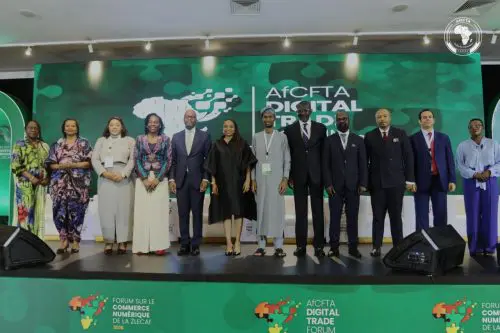
Speaking at the Africa Prosperity Dialogues (APD) 2026 at the Accra International Conference Centre on Wednesday, February 4, 2026, the Vice President noted that fewer than 20 percent of SMEs engage in cross-border trade, highlighting a critical gap in Africa’s economic integration under the African Continental Free Trade Area (AfCFTA) protocol.

Prof Opoku-Agyemang emphasized that SMEs generate over 80 percent of employment and contribute significantly to GDP, yet this potential is not fully reflected in cross-border participation. She maintained that success in the SME sector demands a deliberate and sustained approach to dismantle the barriers women and youth face.

A future that excludes young people, women and small enterprises is a crisis we cannot afford to sleepwalk into, she said, stressing that Africa must move from dependency to self-reliance, from fragmentation to integration, and from exporting potential to building prosperity at home.

Prof Opoku-Agyemang indicated that women still face barriers to finance, mobility and market access, which pose a severe macroeconomic risk that could lead to wasting over half of Africa’s human potential. She warned that without deliberate policy interventions to upskill, improve access to capital and provide institutional support for the youth to scale their ideas across borders, many African economies risk remaining trapped in low productivity models, exporting raw materials, importing finished goods and watching talented young Africans seek opportunity elsewhere.

The First Lady of Angola, Ana Dias Lourenço, echoed similar caution. The economic exclusion of women and youth constitutes a serious structural risk to the stability and competitiveness of our continent. Inclusion is not merely a moral imperative; it is a strategic necessity, she stated, positioning women and youth in trade as central and non-negotiable.

She noted that for AfCFTA to succeed, it must go beyond bureaucratic protocols to become a strategic instrument to transform Africa’s potential into equitable prosperity. She advocated that women farmers and youth be granted unfettered access to green technologies, stressing there can be no sustainable free trade without climate resilient agriculture.

The African Continental Free Trade Area is the largest free trade area by number of member states after the World Trade Organization, spanning 1.3 billion people across the world’s second largest continent. As of current figures, 54 countries have signed the AfCFTA agreement.

As many African leaders continue to tout AfCFTA as the panacea for underdevelopment on the continent, a means to shared prosperity and an engine to empower entrepreneurs and spur growth in Africa, Prof Opoku-Agyemang emphasized the need for long-term policies and robust development finance institutions. Strong institutions and effective governance are essential to sustain progress, she stated.

We must continue to integrate our borders. Africa must unite. This is not about erasing sovereignty. It is about organizing our sovereignty in service of shared prosperity and our markets, she added.

She admonished African countries to implement industrial strategies that strengthen priority sectors, build skills and support sustainable production to expand trade within the continent. We must continue to invest in infrastructure and connectivity while establishing the conditions for innovation and technology, she added.

Prof Opoku-Agyemang described the 24-Hour Economy Programme as designed to improve productivity by optimizing infrastructure, finance and institutional efficiency, ensuring that businesses and workers are no longer constrained by avoidable bottlenecks or lost time.

The Africa Prosperity Dialogues 2026 were held under the theme Empowering SMEs, Women and Youth in Africa’s Single Market: Innovate. Collaborate. Trade.

Gold Holds Near US$5,000 as Markets Await US Jobs Data

Gold prices traded around $5,030 per ounce on Tuesday, February 10, 2026, maintaining recent gains as investors awaited critical United States economic data that could shape the Federal Reserve’s (Fed) monetary policy direction.

The spot gold price was trading at $5,030.9 per ounce as of midday, down $27.5 per ounce from the previous session. Despite the minor retreat, bullion remained near the highest level in over a week, supported by a weaker US dollar and ongoing safe haven demand.

Investors are focusing on the nonfarm payrolls report due Wednesday and inflation figures scheduled for Friday, both seen as critical indicators for the direction of interest rates this year. White House economic adviser Kevin Hassett said on Monday that Americans could see smaller job growth numbers in the coming months due to lower population figures and higher productivity.

Nonfarm payrolls likely increased by 70,000 jobs in January, a Reuters survey of economists showed, after rising by 50,000 in December. Slower employment growth could reinforce expectations of easier monetary policy, with San Francisco Fed President Mary Daly stating last Friday that it may be necessary to cut rates once or twice to support the labor market. Markets are currently pricing in at least two rate cuts for 2026.

Official sector demand for gold continues to underpin the market. China’s central bank extended its gold buying spree for a fifteenth month in January, with the country’s gold holdings rising to 74.19 million fine troy ounces by the end of January, up from 74.15 million the previous month. Such steady demand from central banks adds a structural layer of support to global gold prices, analysts say.

Geopolitical tensions are further bolstering bullion as a safe haven asset. Relations between the United States and Iran remain tense despite reports of constructive talks last week in Oman. The United States Maritime Administration issued an advisory on Monday recommending that ships transiting eastbound in the Strait of Hormuz stay close to the Omani side of the waterway.

The guidance followed the February 3 harassment of the US flagged tanker Stena Imperative by Iranian Revolutionary Guard Corps fast boats and a drone. The meeting marked the first talks between the two countries since US bombers struck three Iranian nuclear sites during a 12 day war with Iran last June.

The Strait of Hormuz remains a critical waterway for global energy markets. About 13 million barrels per day of crude oil transited the Strait of Hormuz in 2025, accounting for nearly a third of global seaborne crude flows, according to data from market intelligence firm Kpler.

Despite the minor retreat on Tuesday, market observers say the combination of looming US economic data, continued official sector buying, and geopolitical uncertainty has helped gold maintain recent gains. Traders are expected to remain attentive to upcoming economic releases and any shifts in global risk sentiment, which could influence short term price movements.

Ghana’s Clean Cooking Push Risks Stalling Without LPG Refill Infrastructure

0

The Chief Executive Officer of the Chamber of Oil Marketing Companies (COMAC), Dr Riverson Oppong, has warned that Ghana’s clean cooking transition could fail unless the country builds reliable liquefied petroleum gas (LPG) refill infrastructure alongside cylinder distribution programmes.

Speaking at a public lecture in Accra on the topic Energy sovereignty in the context of global energy transition: What Africa should know, Dr Oppong stated that distributing gas cylinders without reliable refill infrastructure forces households back to charcoal. The comment highlights a critical gap in Ghana’s current clean cooking strategy.

According to the 2024 Ghana Social Development Outlook report by the Institute of Statistical, Social and Economic Research (ISSER), 77 percent of Ghanaian households rely on primary fuels like charcoal for cooking, with only 28.7 percent using clean energy such as LPG or electricity. The slow transition reflects persistent gaps in infrastructure, affordability and awareness.

Separate research estimates that approximately 75 percent of Ghana’s population, nearly 26 million people, depend on solid biomass fuels like charcoal and firewood, a dependence described by stakeholders as a looming public health and environmental crisis.

Charcoal and biomass cooking are associated with significant health risks, especially in poorly ventilated homes. Citing data from the World Health Organization (WHO), approximately 28,000 people die annually in Ghana due to indoor air pollution caused by burning firewood and charcoal. The pollutants are implicated in chronic lung and cardiovascular illnesses, acute respiratory infections in children, and other serious health conditions, with women and young children disproportionately affected due to time spent near cooking fires.

The environmental consequences of sustained charcoal use are equally stark. Research focused on the Greater Accra region and surrounding supply areas such as the Afram Plains reveals that urban charcoal demand is contributing to deforestation and ecosystem degradation.

Research findings reveal that charcoal consumption in Greater Accra results in an estimated loss of 354,479 trees annually in the Afram Plains, creating an ecological deficit of 18,850 hectares per year, significantly exceeding the ecosystem’s regenerative capacity.

Separately, broader national analyses suggest that Ghana continues to lose forest cover at significant rates, with charcoal production and firewood harvesting among major drivers of deforestation over recent decades.

Dr Oppong’s comments underscore a key challenge in Ghana’s energy transition: the gap between policy intentions and what households can practically access and afford. While government programmes have expanded LPG cylinder distribution, the absence of a dependable refill and distribution network outside major cities means many families revert to charcoal, the most accessible fuel for daily cooking.

Energy sector observers say that for Ghana to make meaningful inroads in clean cooking adoption, investments must focus not only on cylinder availability but also on fuel supply infrastructure, price stability, and behaviour change campaigns.

As the country seeks balanced energy security in the context of global shifts toward cleaner fuels, the persistence of charcoal use, with its clear health and environmental costs, remains a test of how well policy translates into real world impact.

Oil Prices Hold Near US$64 Amid Iran Tensions and India Supply Uncertainty

Crude oil prices remained stable around $64 per barrel on Tuesday, supported by ongoing geopolitical concerns in the Middle East and uncertainty surrounding global supply flows linked to India’s energy purchasing commitments.

West Texas Intermediate (WTI) crude fell to $64.33 per barrel on February 10, 2026, down 0.05 percent from the previous day, while Brent crude rose to $68.18 per barrel on February 9, 2026, up 0.20 percent. Despite minor fluctuations, both benchmarks have maintained recent gains amid cautious market sentiment.

The United States Maritime Administration issued an advisory on Monday urging American-flagged vessels to stay as far as possible from Iranian waters when navigating the Strait of Hormuz. The warning followed the February 3 harassment of the US-flagged tanker Stena Imperative by Iranian Revolutionary Guard Corps (IRGC) fast boats and a drone.

The advisory recommended that ships transiting eastbound in the Strait of Hormuz stay close to the Omani side of the waterway. The guidance came even as diplomatic engagement continues between Washington and Tehran.

The meeting marked the first talks between the two countries since US bombers struck three Iranian nuclear sites during a 12-day war with Iran last June. While both sides described the Oman discussions positively, President Donald Trump warned Iran that failure to reach a deal would carry very steep consequences.

The Strait of Hormuz remains a critical waterway for global energy markets. According to market intelligence firm Kpler, about 13 million barrels per day of crude oil transited the Strait of Hormuz in 2025, accounting for nearly a third of global seaborne crude flows.

Market participants are also monitoring developments related to India’s crude oil purchasing arrangements. President Trump announced last week that India has committed to stop directly or indirectly importing Russian Federation oil as part of a broader trade framework that reduces tariffs on Indian goods.

However, significant uncertainty persists about implementation. Russia said it has received no word from New Delhi about halting oil purchases, while India has not officially confirmed a complete cessation of Russian crude imports.

India’s imports of Russian crude could fall by nearly half as Indian refiners pause fresh purchases, according to industry reports. Most major state-owned and private refiners, except Nayara Energy, have paused buying spot cargoes of Russian crude since the trade deal announcement.

India has been among the world’s largest buyers of discounted Russian crude following the start of the Ukraine war in 2022. Any significant reduction in Indian purchases could tighten global supply balances and provide additional support to oil prices, though analysts remain skeptical about a complete halt given India’s energy security priorities and economic considerations.

Zimbabwe Launches Annual Mining Week to Boost Sector

0

Zimbabwe officially launched Zimbabwe Mining Week, a new annual international conference and exhibition designed to position the country as a competitive participant in the global critical minerals economy.

The inaugural event will take place from November 17 to 19, 2026, at Rainbow Towers Hotel and Conference Venue in Harare. Hosted by the Ministry of Mines and Mining Development and organised by VUKA Group in partnership with Nzuri Communications, the platform aims to move mining conversations beyond extraction and exports toward ecosystem led growth.

Polite Kambamura, Minister of Mines and Mining Development, said the launch represents a critical step in positioning Zimbabwe as a competitive global mining destination. By bringing together decision makers, investors and operators, the platform supports transparency, policy consistency and sustainable investment while helping translate mineral wealth into inclusive growth, job creation and long term national development, he said.

The mining sector accounts for approximately 12 percent of Zimbabwe’s Gross Domestic Product (GDP) and 80 percent of national exports. Zimbabwe generated 5.56 billion United States dollars in total mining revenues in 2024, according to industry data, with gold production reaching a record 46.7 tonnes in 2025.

Zimbabwe Mining Week is designed to address the full mining value chain including local processing and refining, downstream industrialisation, rising energy demand, infrastructure enablement, environmental, social and governance (ESG) integration and long term economic resilience.

Tichaona Mawoni, Chief Executive Officer of Nzuri Communications and Founding Partner of Zimbabwe Mining Week, said the launch represents a strategic move to place Zimbabwe at the centre of the global critical minerals dialogue. Zimbabwe is moving beyond the outdated narrative of simply extracting resources, with focus shifting toward building a robust mining ecosystem that prioritises domestic processing, industrialisation and value addition, he said.

The country is rich in mineral resources including gold, platinum group metals (PGMs), lithium, chrome, nickel, coal and other industrial minerals. Zimbabwe boasts the second largest platinum deposit and high grade chromium ores in the world, with approximately 2.8 billion tons of PGMs and 10 billion tons of chromium ore.

Zimbabwe holds the largest reserves of lithium in Africa and ranks fifth globally. The country has attracted significant investment in lithium projects, positioning itself as a potential key player in the global lithium ion battery supply chain. Chinese mining companies including Zhejiang Huayou Cobalt, Sinomine Resource Group, Chengxin Lithium Group, Yahua Group and Canmax Technologies have invested in Zimbabwean lithium operations.

David Ashdown, Chief Executive Officer of VUKA Group, said Zimbabwe’s exceptional mining potential alongside opportunities across other strategic industry verticals can ignite sustainable economic growth. Zimbabwe Mining Week reflects the group’s ambition to connect people, information and capital in ways that drive investment, enable industrialisation and unlock long term opportunities, he stated.

The event will bring together government officials, mining companies, investors, financiers and solution providers to explore ways to unlock the nation’s mineral wealth through processing, industrialisation, energy integration and sustainable value added development.

Zimbabwe Mining Week will deliver access to policymakers, project developers, investors and international partners, providing a platform where policy meets capital, processing meets power, and mineral wealth is translated into sustainable economic value.

The platform stands alongside sister summits organised by VUKA Group in the Democratic Republic of Congo (DRC) and Nigeria. The conferences form part of a continental strategy to promote mining sector transparency, investment and industrialisation across Africa.

Against a backdrop of policy reform, global re engagement and accelerating demand for battery and critical minerals, Zimbabwe is entering a decisive phase in aligning its mineral endowment with national development outcomes.

The International Monetary Fund (IMF) upgraded Zimbabwe’s economic outlook in November 2025, citing stronger than expected recovery led by agriculture and mining sector growth. The IMF anticipates a resilient economic trajectory for Zimbabwe in 2025 and 2026, supported by easing inflation and a stable foreign exchange rate.

Zimbabwe’s mineral resources are estimated to be worth tens of billions of United States dollars, attracting investors seeking opportunities in the green energy transition. The government has implemented policy reforms including increased foreign exchange retention to 75 percent for mining companies and proposed amendments to the Mines and Minerals Act to make the sector more investor friendly.

The Ministry of Finance is working with the Securities and Exchange Commission, National Pensions Regulatory Authority, Bank of Ghana and other agencies to support mining sector development through coordinated regulatory frameworks.

The launch comes as global demand for critical minerals intensifies driven by electric vehicle production, renewable energy infrastructure and battery storage systems. Zimbabwe aims to leverage its strategic mineral deposits to participate more actively in global supply chains beyond raw material exports.

Companies are required to export all minerals through the state owned Minerals Marketing Corporation of Zimbabwe (MMCZ), except gold which must be sold to the Reserve Bank of Zimbabwe’s (RBZ) subsidiary Fidelity Printers and Refiners (FPR).

Zimbabwe Mining Week forms part of broader efforts to develop mineral processing and value addition projects in lithium, coal and iron industries. The country is targeting increased mining output across all commercially viable minerals supported by adequate mining equipment provision.

The conference will examine constraints and opportunities in the mining ecosystem including refining, energy infrastructure, ESG compliance and long term economic growth strategies aligned with sustainable development goals.

UMB Launches Revamped SpeedApp with Enhanced Security

0

Universal Merchant Bank (UMB) launched a revamped version of its SpeedApp on Thursday, strengthening digital banking services with improved speed, enhanced security and a more intuitive user experience nearly a decade after the application’s original introduction.

The upgraded mobile banking platform was unveiled at the bank’s head office at SSNIT Emporium in Accra, introducing improved system performance, greater stability and a simplified interface designed to make everyday banking faster and easier for customers.

Tubuor Ofei Agyeman, Head of E Business at UMB, said the revamp was driven by customer expectations and technological advancement. The upgraded application is not simply a cosmetic change but represents a deliberate effort to deliver a faster, more reliable and more secure digital banking experience that customers can trust every day, he said.

The revamped SpeedApp incorporates enhanced security features including reinforced authentication protocols and strengthened transaction safeguards, providing customers with added protection as digital banking becomes increasingly central to daily life.

Customers can seamlessly access key services through the application including account management, fund transfers, bill payments and balance enquiries. The platform also offers cardless withdrawal capabilities, allowing users to withdraw cash from any UMB automated teller machine (ATM) without using a debit card through a special electronic token generated via the app.

Edem Knight Tay, Head of Corporate Communications at UMB, said the relaunch aligns the bank’s digital channels with its broader brand and transformation agenda. Digital banking now plays a central role in how customers interact with their banks, and the revamp ensures the SpeedApp reflects UMB’s current brand direction and commitment to delivering dependable, customer focused innovation, he said.

The SpeedApp features an embedded complaint system with 24 hour customer service support, making it convenient for customers to report issues and receive assistance. The application allows users to add, consolidate and monitor all customer accounts from a single platform.

Additional features include airtime top up services across all mobile networks, scan and pay functionality using QR codes, contact synchronisation for swift fund transfers, and data bundle purchases. Customers can also request services such as account statements and cheque books directly through the application.

Universal Merchant Bank operates a 24 hour contact centre ensuring customers receive timely support whenever needed. The round the clock service reinforces the bank’s commitment to reliability, accessibility and uninterrupted banking experiences regardless of the time of day.

The bank has also unveiled a fully revamped website designed to deliver a more seamless, intuitive and engaging customer experience. The new website strengthens UMB’s digital brand presence and competitive positioning by providing customers with easier access to products, services and essential information within a modern, user friendly interface.

The website serves as a critical touchpoint for digital customer acquisition, engagement and service delivery, supporting the bank’s broader growth ambitions. Together, the upgraded SpeedApp and revamped website reflect UMB’s commitment to innovation, accessibility and customer centric banking.

Universal Merchant Bank opened its doors to the public on March 15, 1972, as the premier merchant bank in Ghana. The bank acquired a universal banking license in 2005, transitioning from its original merchant banking focus to include retail banking operations.

The bank currently operates 35 branches across Ghana, three UMB Centres for Businesses located in Kumasi, Accra and Kasoa, and maintains a vast ATM network. UMB is certified under the International Organization for Standardization (ISO) 27001 standard and Payment Card Industry Data Security Standard (PCI DSS).

The original SpeedApp was launched in May 2018, representing one of Ghana’s first agnostic mobile banking platforms capable of serving both customers and non customers. The application has undergone several updates over the years to improve functionality and user experience.

The relaunch underscores UMB’s strategic focus on combining technological innovation with trust, positioning the bank to meet evolving customer needs while delivering on its promise to help customers bank with confidence. The integrated approach combining modern digital platforms with continuous human support positions UMB as a digital first institution.

Ghana’s banking sector has experienced significant digital transformation in recent years, with mobile banking adoption accelerating following the COVID 19 pandemic. Mobile money transactions in Ghana reached GHS 1.5 trillion in 2024, reflecting growing reliance on digital financial services across the country.

The Bank of Ghana has encouraged financial institutions to strengthen digital infrastructure and cybersecurity measures while expanding financial inclusion through mobile and internet banking platforms. The central bank reported that mobile banking transactions increased by 68 percent year on year in 2024.

UMB customers are encouraged to download or update the SpeedApp to benefit from faster transactions, improved reliability and enhanced security features. The application is available for download on both Google Play Store and Apple App Store for Android and iOS devices respectively.

Ghana Stakeholders Chart Path for Fund Domiciliation Hub

0

Ghana is positioning itself as an emerging fund domiciliation jurisdiction in West Africa through renewed policy attention, regulatory reform and collaboration between government agencies, regulators, pension funds and private sector stakeholders.

The Ghana Fund Domiciliation Roundtable convened in Accra on Wednesday, February 5, 2026, under the theme Unlocking Domiciliation Opportunities for Ghana. The engagement brought together senior policymakers, regulators, fund managers, pension trustees, development finance institutions and ecosystem enablers to examine progress, identify gaps and chart next steps.

Louis Kwame Amo, Director of the Financial Sector Division at the Ministry of Finance, said fund domiciliation aligns directly with efforts to deepen domestic capital markets. The ministry is working closely with the Securities and Exchange Commission (SEC), National Pensions Regulatory Authority (NPRA), Bank of Ghana (BoG), Registrar of Companies and Ghana Revenue Authority (GRA) to clarify roles, reduce duplication and align supervisory standards with international best practice.

Ghana’s private capital market has expanded steadily, but the country’s fund ecosystem remains largely company based. This structure can constrain participation by global institutional investors and development finance institutions that typically invest through tax transparent, pass through vehicles such as limited partnerships, which are the global standard for private equity and venture capital funds.

Keynote addresses by senior representatives from the Ministry of Finance, SEC and NPRA underscored government commitment to regulatory coordination, pension participation and long term capital mobilisation through alternative investment vehicles.

Discussions throughout the roundtable focused on two core pillars of Ghana’s domiciliation reform agenda. The first pillar examined operationalisation of limited partnerships as an alternative fund structure, including legal and regulatory reforms required to align Ghana’s framework with global best practice while safeguarding investor protection and market integrity.

The second pillar explored alternative funding pathways for youth and women focused micro, small and medium sized enterprises (MSMEs), highlighting the role of blended finance, impact funds, crowdfunding and angel investing in unlocking patient, risk tolerant capital.

Maame Dadson of Stafford Law, Ghana, a member of the Collaborative for the Domiciliation of Funds in Africa (CDFA), said the roundtable marks a shift from diagnosis to action. She noted the discussions demonstrated strong appetite among regulators, investors and fund managers to work collaboratively toward a domiciliation framework that is globally competitive and aligned to Ghana’s development priorities.

Amma Lartey of Impact Investing Ghana emphasised that fund domiciliation is not only a technical or legal issue but a pathway to channel capital more effectively to women and youth entrepreneurs. She said locally domiciled funds can play a catalytic role in building an inclusive private sector economy.

Participants emphasised the importance of mobilising domestic institutional capital, including pension funds, alongside development and private investment. Across sessions, participants highlighted the importance of inter agency coordination across the Ministry of Finance, SEC, NPRA, the Office of the Registrar of Companies and ecosystem actors to ensure coherence between legislation, regulatory guidelines and market practice.

Recent developments are laying the groundwork for enhanced local capital mobilisation, positioning Ghana to attract long term domestic, diaspora and international capital. Strengthening Ghana’s fund domiciliation framework represents both a market opportunity and a strategic policy priority.

The roundtable forms part of a broader ecosystem strengthening agenda, contributing to Africa wide efforts to promote locally domiciled, transparent and well regulated investment vehicles that support inclusive economic growth, particularly for women and youth focused MSMEs.

The roundtable concluded with broad consensus on the need for continued policy dialogue, targeted advocacy and follow up engagements to translate recommendations into implementation. Planned next steps include bilateral engagements with regulators, follow up ecosystem consultations and broader dissemination of policy recommendations to maintain momentum.

The engagement was convened by the Collaborative for the Domiciliation of Funds in Africa in partnership with the Ghana Venture Capital and Private Equity Association (GVCA) and Impact Investing Ghana, as part of the broader WEAVE Africa learning and ecosystem strengthening initiative.

The roundtable was convened in the context of the release of the Domiciliation of Investment Vehicles in Africa study. The study identifies countries such as Mauritius, Rwanda, Morocco and Ghana as leading examples, while underscoring the untapped potential of pension funds and local investors across Africa.

Commissioned by the Mastercard Foundation, the study was led by Mennonite Economic Development Associates (MEDA) in collaboration with Momentus Global, Stafford Law and Samawati Capital. The Ghana Fund Domiciliation Roundtable provided a platform to translate continental insights into practical, country level dialogue and action.

The WEAVE Africa initiative aims to create 2,200 dignified jobs for young African women by 2028 and strengthen the ecosystem that supports them. The project complements the work of the Mastercard Foundation Africa Growth Fund by supporting the wider value chain surrounding investment vehicles, especially women entrepreneurs who form the backbone of portfolio companies.

Approximately 60 percent of Africa focused funds are currently domiciled offshore in jurisdictions such as Mauritius, Luxembourg and Delaware. The study argues that shifting fund domiciliation back to Africa could help unlock local capital, deepen markets and empower small businesses.

Africa’s MSMEs form the backbone of the continent’s economies, accounting for nearly 80 percent of formal employment in emerging markets. Despite their importance, they continue to face a 940 billion United States dollar financing gap.

Domiciling funds locally has multiple benefits including reduced operating costs, increased trust and deepened local capital markets. It also promotes formalisation of MSMEs, since funds typically require investee businesses to be legally registered.

Africa’s pension funds alone hold billions in underutilised assets that could be channelled into small and medium enterprises and infrastructure projects. Regional integration efforts, such as those within the West African Economic and Monetary Union (WAEMU) and the African Continental Free Trade Area (AfCFTA), further enhance the potential for cross border domiciliation and creation of pan African investment funds.

Ghana’s private equity market is gradually expanding, supported by economic recovery efforts and improved investor confidence under the International Monetary Fund (IMF) programme. By 2023, private equity and venture capital assets neared seven billion United States dollars, with more local funds licensed and growing interest in sectors such as technology and renewable energy.

The engagement reaffirmed the importance of collaboration between government institutions, development partners, industry associations and private sector actors in building a fund domiciliation ecosystem that supports capital mobilisation, market integrity and inclusive growth.

Kaaseman Rural Bank Records Strong Growth Across Indicators

0

Kaaseman Rural Bank Plc posted broad based growth across key financial indicators in its 2024 financial year, recording a 51.28 percent increase in profit before tax amid challenging economic conditions.

The Sefwi Kaase based rural bank reported profit before tax of GHS 8.17 million for 2024, up from GHS 5.40 million in 2023, according to figures presented at the bank’s 37th Annual General Meeting (AGM) held at Sefwi Kaase. The bank declared a dividend of GHS 600,000 from profit after tax.

Board Chairman Richard Acheampong told shareholders the performance demonstrated the bank’s growth, financial soundness and commitment to rewarding investors. He noted the results were achieved despite persistent macroeconomic headwinds including inflationary pressures, currency depreciation and volatile interest rates that weighed heavily on Ghana’s financial sector during 2024.

Total deposits increased by 67.06 percent, rising from GHS 96.24 million in 2023 to GHS 106.79 million at the end of 2024. The growth reflected sustained customer loyalty and growing confidence among communities within the bank’s operational catchment area in the Bia East District of Western North Region.

The bank’s balance sheet expanded sharply with total assets climbing 65.18 percent from GHS 114.22 million to GHS 188.67 million. The expansion was driven by increased deposits, higher investments and growth in the loan portfolio.

Kaaseman Rural Bank’s loan portfolio increased by 6.47 percent, moving from GHS 47.98 million to GHS 51.08 million, representing absolute growth of GHS 3.10 million. The bank attributed the expansion to cautious lending policies focused on supporting local businesses and agribusiness operators while maintaining asset quality.

Short term investments recorded the strongest growth during the year, surging 117.04 percent from GHS 47.06 million to GHS 102.14 million. The sharp increase reflected strategic treasury positioning in a high interest rate environment that prevailed throughout 2024.

The bank’s stated capital edged up marginally by 2.22 percent, increasing from GHS 2.93 million to GHS 3 million. Meanwhile, shareholders’ funds expanded by 51.55 percent, rising from GHS 9.36 million to GHS 14.19 million, strengthening the institution’s capital base.

Total reserves improved significantly, reaching GHS 12.51 million at the end of 2024 compared with GHS 6.42 million a year earlier. The improvement demonstrated effective earnings retention and capital accumulation policies implemented by management.

Beyond financial performance, the bank increased corporate social responsibility spending to GHS 116,064 for community development initiatives. Expenditures included renting a four bedroom house at Kaase to serve as accommodation for personnel of the Ghana Police Service.

The bank provided a cash donation to the Ghana Education Service toward construction of a three unit classroom block for Berekum Methodist School. It also offered financial support for five needy but brilliant students pursuing tertiary education.

Looking ahead, Acheampong said the bank plans to further strengthen its capital position, deepen financial inclusion and expand support for agribusiness. The institution intends to integrate environmental, social and governance principles into operations as it advances rural economic development through tailored financial intermediation.

The performance positions Kaaseman Rural Bank among several rural banks across Ghana that posted strong results in 2024. Kumawuman Rural Bank Plc recorded 420.44 percent profit growth, while Atiwa Rural Bank Plc posted 180 percent profit increase for the 2024 financial year.

Ghana’s rural and community banking sector played a pivotal role in bolstering the nation’s economy during 2024, particularly in advancing financial inclusion and providing credit to small and medium sized enterprises. The sector demonstrated resilience and innovation despite macroeconomic challenges.

Kaaseman Rural Bank Limited was incorporated on October 22, 1987, under Ghana’s Companies Code, 1963 (Act 179). The bank received a banking license on November 2, 1987, under the Banking Act, 1970 (Act 339) and was commissioned on November 12, 1987, as the 116th rural bank in Ghana.

The establishment of Kaaseman Rural Bank came from a need by cocoa farmers in and around Sefwi Kaase for banking services to facilitate payment for dried cocoa beans sold to the Government of Ghana through licensed cocoa buying companies.

The 2024 results underscore the bank’s ability to navigate challenging operating environments while maintaining focus on core rural banking functions including deposit mobilisation, agricultural lending and community development support across Western North Region.

World Bank Urges Ghana to Tackle Port Delays

0

The World Bank says addressing clearance delays at ports could deliver quick gains for Ghana’s business environment as the country seeks to expand trade under the African Continental Free Trade Area (AfCFTA).

Senior Economist at the World Bank Business Ready Unit, Subika Farazi, told a working session in Accra that port clearance delays are constraining trade and slowing private sector growth. Ghana’s export clearance takes an average of nine days, while import clearance stretches to 23 days, compared to five to eight days in Cameroon.

The findings emerged from the World Bank’s Business Ready (B-READY) assessment presented at a high level working session in Accra on Tuesday. The assessment reveals Ghana performs strongly in regulatory frameworks but faces efficiency gaps in implementing those rules.

Ghana scored 69 out of 100 on the regulatory pillar, placing it in the top 60 percent of measured economies. The country ranks highest among regional peers in regulatory framework and second only to Togo in public service delivery.

However, Ghana’s operational efficiency scores lag behind several peer economies. Togo, Senegal, Cameroon and Cape Verde recorded stronger scores on operational efficiency measures, according to the assessment.

Business readiness scores range from 72 percent in financial services to 34 percent in market competition. Labour indicators remain among Ghana’s strongest areas, with the country ranking in the top 20 percent of measured economies.

The World Bank evaluated economies across three main pillars under the B-READY framework. Ghana scored 69 on regulatory framework, 50 on public services, and 52 on operational efficiency.

The country benefits from well developed secured transactions regulations and a solid framework governing electronic payments in financial services, according to the assessment. The report notes effective labour dispute resolution mechanisms are positively influencing job reallocation and productivity.

Market competition emerged as Ghana’s weakest area, scoring just 34 points out of 100 and placing the country in the bottom 20 percent of all measured economies. The assessment points to weaknesses in competition law and enforcement, both in absolute terms and relative to peers.

The working session brought together senior government officials, private sector leaders and World Bank teams to examine constraints affecting food processing, light manufacturing and trade facilitation. These sectors form key components of the government’s 24 Hour Economy (24H⁺) programme.

World Bank Division Director for Ghana, Liberia and Sierra Leone, Robert Taliercio, emphasized that the gap between strong rules and slower delivery shapes how investors assess risk, cost and predictability. He noted gross capital formation in Ghana stands at approximately 10 percent of Gross Domestic Product (GDP) compared to 30 percent in industrialising economies like Morocco.

The assessment highlights additional challenges in business location and property transfer. Transferring property in Ghana takes about 182 days, while obtaining a building permit requires roughly 125 days. In Morocco, property transfers can be completed in about 10 days, with building permits issued within 35 days.

Infrastructure reliability poses significant challenges. Firms experience an average of three power outages each month, while only about half of firms report not experiencing internet disruptions, according to B-READY data. These disruptions pose risks to sectors including global business services, information technology support centres, accounting hubs and analytics operations.

International Finance Corporation (IFC) Senior Country Manager for Ghana and Liberia, Kyle Kelhofer, described the assessment as providing a clear, evidence based view of where Ghana’s business conditions are strong and where they fall short. He stressed that high quality investors consistently seek predictable systems, efficient public services, strong governance and consistent implementation.

The World Bank said addressing clearance delays, improving border management and strengthening operational efficiency could deliver quick wins for Ghana’s business environment, particularly as the country seeks to deepen trade under the African Continental Free Trade Area.

Ghana hosts the AfCFTA Secretariat in Accra, which coordinates and facilitates implementation of the continental trade agreement. The AfCFTA connects 1.3 billion people across 55 African countries with combined GDP valued at 3.4 trillion United States dollars.

The assessment acknowledged that Ghana recently implemented a Trusted Trader programme, a move expected to significantly improve border management efficiency and boost scores in the next assessment cycle.

The 24H⁺ programme aims to create a business environment where ports, utilities and regulators operate with the reliability required by modern industry. Taliercio stated the programme is not about working endlessly but about system readiness.

The World Bank said the B-READY findings offer detailed, data driven insights to guide Ghana’s reform efforts as it seeks to improve operational efficiency, stimulate private sector growth and strengthen competitiveness both regionally and globally.

King Charles Backs Police Probe Into Brother’s Epstein Links

0

King Charles III stated his readiness to support British police investigating allegations that his brother Andrew Mountbatten Windsor shared confidential information with convicted sex offender Jeffrey Epstein during his tenure as a United Kingdom trade envoy.

Buckingham Palace confirmed on Monday that the monarch has shown profound concern over allegations emerging from newly released United States Department of Justice (DOJ) files. Thames Valley Police said they are assessing reports that Mountbatten Windsor sent trade documents to Epstein in 2010.

The latest DOJ files released appear to show Mountbatten Windsor sent confidential material to Epstein in 2010, prompting Graham Smith, chief executive of anti monarchist group Republic, to report the former prince to police for suspected misconduct in public office and breach of official secrets.

Thames Valley Police, which serves areas west of London including Windsor, confirmed receipt of the complaint. A police spokesperson stated they are assessing the information in line with established procedures.

Buckingham Palace issued a statement indicating the King’s willingness to cooperate with investigators. While the specific claims are for Mountbatten Windsor to address, if approached by Thames Valley Police, the palace stands ready to support them as expected, a palace spokesperson said.

In October 2010, Epstein emailed the royal requesting details about an upcoming Asia trip, according to DOJ documents. Mountbatten Windsor allegedly responded by sending an itinerary covering destinations including Vietnam, Singapore and Hong Kong.

After completing the tour, Mountbatten Windsor forwarded visit reports to Epstein that were initially sent to him by his then special adviser Amit Patel. The overseas visit appears in financial reports published by the royal family.

Trade envoys carry a duty of confidentiality regarding information received, which may include sensitive commercial or political information about relevant markets or visits, according to parliamentary appointment documents. The duty of confidentiality continues after the term of office expires, and the Official Secrets Acts 1911 and 1989 apply to the role.

In December 2010, Mountbatten Windsor appears to have sent Epstein what he described as a confidential brief regarding investment opportunities related to reconstruction of Afghanistan’s Helmand province, where British troops operated at that time. The former prince indicated in the email he would be very interested in Epstein’s comments or ideas regarding whom he could show the document to attract interest.

Mountbatten Windsor served as the United Kingdom’s special representative for international trade and investment from 2001 until stepping down in 2011 following sustained criticism over his association with Epstein. At the time, he stated his position was no longer necessary to the work he does.

In a 2019 interview with BBC Newsnight, Mountbatten Windsor claimed he met Epstein in New York in 2010 solely to end their relationship because Epstein had been convicted and it was inappropriate for them to be seen together.

Prince William and Catherine, Princess of Wales, issued their first statement on the latest Epstein files. A Kensington Palace spokesperson confirmed the Prince and Princess have been deeply concerned by the continued revelations, with their thoughts remaining focused on the victims.

The renewed scrutiny follows wider fallout from the Epstein file releases. Former United Kingdom ambassador to the United States, Peter Mandelson, stepped down from the House of Lords in early February 2026 after documents appeared to suggest he shared sensitive government information with Epstein following the 2008 financial crisis.

Metropolitan Police launched an investigation into Mandelson for misconduct in public office. Police raided properties linked to Mandelson on February 7, 2026 as part of the investigation.

British Prime Minister Keir Starmer suggested on February 8, 2026 that Mountbatten Windsor should cooperate with American investigators. Starmer stated that anybody with information should be prepared to share that information in whatever form requested, because one cannot be victim centered without doing so.

The former prince has ignored a request from members of the House Oversight Committee for a transcribed interview about his long standing friendship with Epstein.

The DOJ released more than three million documents related to Epstein in late January 2026. The files include photographs, emails, and financial records documenting relationships between Epstein and prominent figures in British public life.

Epstein was convicted in 2008 of soliciting prostitution from an underage girl and sentenced to 18 months imprisonment. He died in a New York jail cell in August 2019 while awaiting trial on federal charges for sex trafficking of minors.

King Charles III stripped Mountbatten Windsor of his royal titles in October 2025 following revelations about the depth of his relationship with Epstein. The former prince moved out of his longtime Windsor residence in early February 2026 amid the ongoing controversy.

Mountbatten Windsor has previously denied any wrongdoing relating to his association with Epstein and has not publicly responded to the latest allegations. Attempts to reach him for comment were unsuccessful.

Ghana Stock Exchange Posts Strong January Gains

0

The Ghana Stock Exchange recorded impressive gains in January 2026, with the benchmark index advancing 2.69 percent while trading volumes surged more than ninefold compared to the same period last year.

The GSE Composite Index (GSE-CI) rose to 9,006.51 points by the end of January, marking a 2.69 percent year to date gain. The Financial Stock Index (GSE-FSI) outperformed the broader market with a 6.14 percent increase, closing the month at 4,932.42 points.

Market capitalisation reached GHS 178.84 billion, representing a 53 percent increase from GHS 117.17 billion recorded in January 2025. Trading volume soared to 167.32 million shares valued at GHS 705.36 million, marking a 938.51 percent surge in volume and a 549.48 percent increase in value compared to the corresponding period last year.

CalBank PLC led market gainers with a 15.71 percent price appreciation during the month, followed by Ghana Commercial Bank Limited (GCB) at 1.36 percent and Enterprise Group Limited at 0.28 percent. Ecobank Ghana PLC, Benso Oil Palm Plantation PLC, and Standard Chartered Bank Ghana PLC posted modest gains of 0.14 percent, 0.06 percent, and 0.03 percent respectively.

TotalEnergies Marketing Ghana PLC declined 0.12 percent, while Societe Generale Ghana PLC dropped 4.46 percent. New Gold ETF recorded the steepest loss at 5.67 percent for the month.

The number of equity transactions climbed to 38,477 in January 2026, representing a 406.74 percent increase from the previous year. The surge in trading activity reflected strong investor appetite following the exchange’s stellar 2025 performance, when it emerged as Africa’s second best performing stock market with a 79.4 percent annual return.

The Ghana Fixed Income Market (GFIM) witnessed robust activity with total traded volume reaching GHS 36.91 billion, marking a 118.45 percent rise from the GHS 16.90 billion traded during January 2025. The value of fixed income trades totalled GHS 32.72 billion, representing a 134.22 percent year over year increase.

Treasury Bills accounted for 37.75 percent of debt market volume, while Government Bonds contributed 60.91 percent. Corporate Bonds comprised the remaining 1.34 percent of fixed income trading. The number of fixed income trades recorded during January stood at 56,982, reflecting a 13.83 percent growth compared to the same period in 2025.

Bank of Ghana Governor Dr. Johnson Pandit Asiama and Ghana Stock Exchange Managing Director Abena Amoah are scheduled to represent Ghana at the Annual Africa Summit organised by the Loan Market Association (LMA) and International Capital Market Association (ICMA) in Cape Town, South Africa, on February 25 and 26, 2026.

The event, themed Shaping the Future of Loans and Capital Markets, aims to convene over 1,000 senior stakeholders from across Africa and internationally, including issuers, investors, regulators, development finance institutions, and banks. The summit will provide strategic dialogue, networking opportunities, and technical exchanges focused on advancing African capital markets.

The GSE described the participation as positioning the Ghana Fixed Income Market firmly on the continental stage, creating opportunities to showcase Ghana’s debt market transformation, deepen cross border investment flows, strengthen market liquidity, and establish Ghana as a credible debt capital hub in Africa.

Market analysts attribute the strong January performance to sustained macroeconomic stabilisation, improved investor confidence, and successful debt restructuring under the International Monetary Fund (IMF) Extended Credit Facility programme. Ghana’s inflation declined to single digits by late 2025, while treasury bill rates fell significantly from crisis period peaks.

The exchange continues to implement initiatives outlined in the Capital Markets Master Plan 2020 to 2029, focusing on product diversification, enhanced market infrastructure, and expanded investor participation. The introduction of green and sustainable bond markets and the expansion of the Ghana Alternative Market (GAX) for small and medium enterprises represent key strategic priorities.

France Urges Young Adults to Have Children Earlier

0

The French government unveiled plans on Tuesday to encourage citizens around age 29 to start families earlier, following a historic demographic crisis that saw deaths exceed births for the first time since World War II.

Health Minister Stéphanie Rist announced the initiative as part of a 16-point fertility strategy addressing infertility affecting approximately 3.3 million French people. Starting late summer 2026, all citizens turning 29 will receive informational letters on sexual and reproductive health, contraception, and fertility preservation options.

France recorded 645,000 births against 651,000 deaths in 2025, creating a negative natural balance of 6,000 people, according to the National Institute of Statistics and Economic Studies (INSEE). The fertility rate dropped to 1.56 children per woman, the lowest since World War I and well below the 2.1 replacement level.

The health ministry emphasised that fertility responsibility is shared between men and women. Rist clarified that the government aims to provide information rather than dictate family planning decisions. The plan includes expanding egg freezing centres from 40 to 70 by 2028, while maintaining free services for people aged 29 to 37.

France faces intensifying concerns about funding pensions and healthcare as its population ages. Despite the negative birth balance, the total population grew to 69.1 million by January 2026, driven entirely by net migration estimated at 176,000 people.

The government strategy includes establishing a national fertility website, improving care for polycystic ovary syndrome and endometriosis, and launching research into environmental factors affecting fertility. Life expectancy reached record highs in 2025 at 85.9 years for women and 80.3 years for men.

Critics argue the campaign overlooks fundamental issues including housing costs, childcare access, and financial stability. Some demographers question whether informational letters alone can reverse deeply rooted demographic trends affecting Western nations.

France recorded 24 percent fewer births in 2025 compared to 2010 when births last peaked. The average age at first childbirth rose to 31.2 years for women, up from 29.6 years in 2005.

President Emmanuel Macron has championed demographic rearmament as a national priority. The fertility plan includes reviewing maternal and infant mortality rates, which remain higher than other European nations since 2011. The ministry aims to establish a national birth registry by 2027.

Neighbouring European countries face similar demographic challenges. Germany reported a fertility rate of 1.35 children per woman in 2023, while the United Kingdom recorded 1.41 in England and Wales by 2024.

The French scheme positions fertility awareness alongside concrete medical interventions. One in eight couples in France experiences infertility according to government data. The health ministry stressed that couples face fertility challenges from medical, environmental, behavioural, and social factors.

Three Women Face Murder Charges in Charlotte Child Abuse Death

0

Three North Carolina women face first degree murder charges following the death of six year old Dominique Moody, who weighed 27 pounds when she died on December 16, 2025, after enduring prolonged abuse including confinement in a dog crate and systematic food deprivation at a Charlotte residence where authorities had responded nearly 50 times before her death.

Susan Robinson, 61, Tonya McKnight, 51, and Tery’n McKnight, 22, appeared in Mecklenburg County Superior Court on Thursday, February 5, 2026, where prosecutors upgraded charges from child abuse to murder in the first degree. Judge appointed capital defense attorneys to each defendant and denied bond for all three women despite Tery’n McKnight appearing in a wheelchair with reported health issues.

Charlotte Mecklenburg Police received a call on December 16, 2025, reporting Dominique was not breathing at the Gwynne Hill Road residence. Officers responding found the child’s body covered in multiple scars and open wounds, including healed ligature marks around her right ankle, linear scars on her right arm, circular scars on her right foot and outer right leg, and an open circular wound on her left ankle appearing consistent with a burn.

Medical examination revealed a healed fracture to Dominique’s right pinky toe and multiple lower rib fractures on both sides of her body. The child exhibited wounds from prolonged exposure to urine and feces filled diapers causing severe rashes on her genitals and buttocks. Court documents indicate this abuse occurred for approximately 18 months before her death.

Authorities described the residence as severely neglected with strong odors of feces and urine throughout. Police documented rat infestation, cockroaches, cluttered conditions with human and animal waste, and daily absence of central heating. The home contained multiple holes in walls and lacked basic sanitary conditions.

Four other children between ages one and five resided at the property. Other children at the home told investigators Dominique was forced to stay in a dog crate in the living room before being made to sleep on the feces filled bathroom floor after breaking the crate months earlier. Dominique’s younger sister, who turned six years old, stated the three women would tie Dominique with black tape all the time, whip her, and her body would become swollen.

Robinson allegedly told officers during interviews that Dominique was taped as punishment for various reasons including stealing food. Investigators searching Robinson’s phone discovered a photograph showing Dominique bound with black duct tape, exhibiting swollen hands and feet while lying on carpet in the living room. Robinson admitted witnessing the child being neglected and abused but failed to call emergency services or report the situation.

Text message evidence reviewed by investigators indicated the child was denied food despite the household containing ample provisions. Robinson stated Dominique was forced to watch the adults eat while Tonya McKnight denied her meals on most days. Court documents allege the child was starved for over one year as punishment for eating food in the house.

Tonya McKnight served as Dominique’s legal guardian after obtaining custody in September 2021 when her sister requested she care for the child. Court filings obtained by local media show Tonya McKnight wrote that her sister made the request because she is unstable and not equipped to care for the children. The biological mother signed permanent custody agreements granting Tonya McKnight power of attorney over the children in 2020, formalized through court order in 2021.

Tery’n McKnight is Tonya McKnight’s daughter. All three women lived together at the residence and are accused of failure to take any action to remedy problems despite being fully aware of abuse patterns. Charging documents state the children residing amongst rats and cockroaches, children being bitten by rats, the residence’s daily lack of heat, and the duct taping are well known to all three defendants.

Robinson and Tonya McKnight allegedly exchanged messages after Dominique’s death acknowledging they were in trouble and needed to clean the house, according to affidavits filed in the case. Evidence obtained from interviews and cell phone examinations confirmed the duct taping, dog crating, beating, and rat activity over many years of Dominique’s life, court records state.

Charlotte Mecklenburg Police records detail nearly 50 calls for service to the residence since early 2020. Many calls involved domestic disturbances. In April 2023, a family member called dispatchers requesting welfare checks on two young children at the home, expressing fear they were being mistreated. The caller reported a social worker indicated one girl appeared ill or frail.

Mecklenburg County Department of Social Services Youth and Family Services (YFS) division received five reports alleging children at the home were being abused or neglected over six years before Dominique’s death, according to juvenile court records obtained by local media. Teachers expressed concerns about poor odor and hygiene affecting Dominique’s younger sister at school. Dominique herself had never been enrolled in school despite approaching age seven. In each Child Protective Services (CPS) report, YFS investigated but did not find sufficient evidence to confirm allegations.

The home became additionally known to authorities in 2024 when Terrance McKnight Jr., identified as Tonya McKnight’s son, was charged and convicted of second degree murder in an unrelated case. Additional calls to the residence involved complaints about stray animals, nuisance animals, and concerns about men with drugs and guns at the property.

Criminal defense attorney Rob Heroy reviewed the affidavit for local media outlet WBTV, stating upgraded charges to first degree murder represent appropriate prosecution given outrageous conduct meeting the definition of first degree murder in multiple ways. Heroy is not working on the case.

Prosecutors indicated cell phone records and medical evidence led to upgraded murder charges. Capital defense appointments signal prosecutors may pursue maximum penalties available under North Carolina law for first degree murder convictions. The Mecklenburg County Public Defender’s Office has not publicly identified attorneys representing the defendants.

The three women were initially arrested on varying dates in late December 2025. Tery’n McKnight was arrested Christmas Eve, December 24, 2025. Robinson was arrested late that week, while Tonya McKnight was arrested Monday, December 30, 2025. Each faced one count of intentional child abuse resulting in serious physical injury and four counts of misdemeanor child abuse before prosecutors upgraded charges to murder.

The case has generated substantial community outrage regarding systemic failures allowing prolonged abuse despite multiple reports to authorities. Child welfare advocates question how five separate CPS investigations failed to substantiate abuse allegations ultimately resulting in a child’s death from starvation and torture.

The investigation remains ongoing with prosecutors continuing evidence review. North Carolina law permits first degree murder charges in cases involving torture, meaning prosecutors may argue defendants committed murder through malice and premeditation, or that death resulted from inherently dangerous actions showing extreme indifference to human life.

Chelle Eyes Historic Real Madrid Coaching Role

0

Super Eagles head coach Eric Chelle revealed his ambition to become the first African to manage Real Madrid during an interview with RMC Sport on Monday, February 9, 2026, describing the goal as the ultimate milestone in his coaching career while recovering from heart surgery following the Africa Cup of Nations (AFCON) tournament.

The 48 year old Malian tactician shared his vision during an appearance on RMC Sport’s After Afrique podcast, stating his dream to lead the Spanish giants who have won 36 La Liga titles and 15 Union of European Football Associations (UEFA) Champions League trophies without ever appointing an African manager.

Chelle guided Nigeria to third place at the 2025 AFCON in Morocco, with the Super Eagles finishing as the tournament’s top scoring side with 14 goals across seven matches. The impressive campaign boosted his reputation across African football and attracted interest from several national teams, including Tunisia, which reportedly offered him 100,000 United States dollars (USD) monthly to lead their 2026 FIFA World Cup campaign.

The Nigeria Football Federation (NFF) appointed Chelle on January 7, 2025, tasking him with steering the Super Eagles toward 2026 World Cup qualification. He assumed leadership following Finidi George’s resignation after disappointing results including a draw against South Africa and loss to Benin in qualifying matches.

Chelle compiled an unbeaten record across 18 official matches with Nigeria, recording 11 wins and seven draws while scoring 35 goals and conceding just 13. The statistics transformed the Super Eagles into an attacking force that reminded observers of the nation’s glory days during the 1990s.

The Franco-Malian coach revealed he suffered from atrial fibrillation throughout the AFCON tournament, experiencing heart rates reaching 200 beats per minute while under medical supervision and taking medication. He disclosed experiencing dizziness and fainting spells during matches, requiring physiotherapists to pour water on his head to keep him conscious during technical area incidents.

Chelle underwent heart surgery following Nigeria’s third place finish against Egypt in the bronze medal match, which Nigeria won on penalties. He confirmed his condition has improved significantly and reassured supporters about his health status during the RMC Sport interview.

The coach addressed squad management challenges during the tournament, including reported tensions involving forwards Ademola Lookman and Victor Osimhen. Chelle described an on pitch altercation between the players during the second round match against Mozambique as a minor incident that the players resolved immediately after the match without his intervention.

Former Super Eagles midfielder Sylvanus Okpala criticized the appointment of Chelle despite positive results, insisting Nigerian coaches remain better suited for the national team role. Okpala questioned why the NFF applies inconsistent standards to local coaches while foreign managers receive opportunities without meeting equivalent qualifications.

Former NFF president Amaju Pinnick publicly endorsed Chelle’s continued tenure following the AFCON performance, arguing that Nigerian coaches seeking the Super Eagles position should first demonstrate success by winning domestic league titles and continental honors with Nigeria Professional Football League (NPFL) clubs.

Chelle began his coaching career in 2014 with French amateur side Groupe Sportif Consolat before managing the Mali national team between 2022 and 2024. He guided Mali to the quarter finals of the 2023 AFCON before losing to hosts Ivory Coast in a dramatic extra time match, compiling 14 wins, five draws and three losses during his tenure.

The former defender spent his playing career in France, appearing for Martigues, Valenciennes, Lens, Istres and Chamois Niortais. Born in Ivory Coast to a French father and Malian mother, Chelle holds Malian, French and Ivorian citizenship and made five appearances for the Mali national team during his playing days.

Real Madrid currently employs Carlo Ancelotti as head coach, who has won the Champions League five times, including four with Madrid. The Italian manager’s contract extends through June 2026, with speculation about his future intensifying amid reports linking him to the Brazil national team position.

No African coach has managed a top tier European club despite growing recognition of African football expertise. The lack of representation at elite European clubs contrasts with the continent’s contribution of players who have become global superstars at the highest levels of club football.

Chelle’s contract with Nigeria runs until 2026, with the NFF opening discussions about an extension following the AFCON performance. The federation faces pressure to secure his long term commitment amid reported interest from Tunisia, Angola and Guinea monitoring his situation.

Nigeria missed qualification for the 2026 World Cup after finishing fourth in their qualifying group with three wins, three draws and four losses across ten matches. The Super Eagles qualified for the Confederation of African Football (CAF) playoffs, which offer a chance to compete in the FIFA playoff tournament scheduled for March 2026.

The playoffs represent Nigeria’s second opportunity to reach the World Cup after failing to secure automatic qualification through the African qualifying group stage. Chelle expressed confidence that qualification remains achievable, stating nothing is impossible during recent media engagements.

Yaya Toure, former Ivory Coast midfielder and Manchester City star, praised Nigeria’s playing style during AFCON 2025, describing the Super Eagles as the tournament’s best footballing side despite their semifinal penalty shootout loss to Morocco. The endorsement from a respected African football figure reinforced perceptions of Chelle’s tactical competence.

The coach’s Real Madrid ambition reflects broader aspirations among African football professionals seeking recognition at European football’s highest levels. African players dominate rosters at elite European clubs, but coaching and administrative positions remain predominantly held by European professionals.

Chelle emphasized that coaching in Africa transcends sport and allows him to carry messages about unity, respect and coexistence regardless of origin or religion. He described the role as aligned with his DNA and personal values connecting football with social purpose.

The NFF must navigate competing pressures between maintaining stability under a successful foreign coach and responding to domestic advocates demanding opportunities for Nigerian tacticians. The federation’s decision on Chelle’s contract extension will signal priorities regarding technical expertise versus national representation in leadership positions.

Maxwell Invokes Fifth Amendment Before House Oversight Committee

0

Ghislaine Maxwell refused to answer questions from the House Oversight Committee on Monday, February 9, 2026, invoking her Fifth Amendment right against self incrimination during a closed door virtual deposition that ended in less than one hour, while her attorney proposed she would testify only if granted clemency by President Donald Trump.

The convicted sex trafficker appeared virtually from Federal Prison Camp Bryan in Texas, where she serves a 20 year sentence for conspiring with Jeffrey Epstein to sexually exploit and traffic underage girls. Maxwell repeatedly stated, I invoke my Fifth Amendment right to silence more than a dozen times when lawmakers posed questions about Epstein’s criminal enterprise and potential co-conspirators.

Representative James Comer, Republican from Kentucky and chairman of the House Oversight Committee, expressed disappointment following the brief deposition. We had many questions to ask about the crimes she and Epstein committed, as well as questions about potential co-conspirators, Comer told reporters. The committee sought information regarding federal authorities’ handling of the Epstein investigation and individuals who may have participated in or enabled the sex trafficking operation.

David Oscar Markus, Maxwell’s attorney, informed committee members that his client remains willing to provide testimony if granted clemency by President Trump. Ms. Maxwell is prepared to speak fully and honestly if granted clemency by President Trump, Markus stated during the deposition. Only she can provide the complete account. Some may not like what they hear, but the truth matters.

Markus claimed Maxwell could confirm that both President Trump and former President Clinton are innocent of any wrongdoing related to Epstein’s activities. Neither Trump nor Clinton has been accused by law enforcement of wrongdoing in connection with Epstein. Both men have denied improper conduct.

Representative Ro Khanna, Democrat from California, criticized Maxwell’s conditional offer following the deposition. Here is my conclusion after sitting through Maxwell’s deposition with her refusing to answer a single question about the men who raped underage girls, saying she would only do so for clemency, Khanna posted on social media.

Representative Suhas Subramanyam, Democrat from Virginia, suggested Maxwell’s refusal to cooperate stems from expectations of presidential clemency. Ghislaine Maxwell should have no hope of ever getting out of prison, Subramanyam told reporters. But today, she, through her lawyer, explicitly stated that she wants to be out of prison through a clemency that this president would grant.

Comer stated he does not believe Maxwell should receive immunity or clemency. House Speaker Mike Johnson, Republican from Louisiana, described Maxwell’s actions as unconscionable, noting her decision to plead the Fifth or attempt deals.

The Department of Justice (DOJ) granted Maxwell limited immunity during interviews with Deputy Attorney General Todd Blanche in July 2025. Following those discussions, authorities transferred Maxwell from Federal Correctional Institution Tallahassee in Florida to the lower security Federal Prison Camp Bryan in Texas. Maxwell’s legal team requested immunity from the House Oversight Committee in July 2025, but lawmakers rejected the proposal.

A federal jury in the Southern District of New York convicted Maxwell in December 2021 on five counts related to recruiting and grooming minor girls for sexual abuse by Epstein between 1994 and 2004. Judge Alison Nathan sentenced Maxwell to 240 months imprisonment in June 2022. The DOJ stated Maxwell enticed and groomed minor girls to be abused in multiple ways by Epstein and his associates.

Maxwell maintains her innocence and argues she has been made a scapegoat following Epstein’s death in August 2019 at Metropolitan Correctional Center in New York City. Prosecutors have rejected claims that Maxwell serves as a scapegoat. Maxwell filed a habeas corpus petition in the Southern District of New York challenging her conviction, arguing her trial was fundamentally unfair. That petition remains pending.

The United States Supreme Court declined to hear Maxwell’s appeal in October 2025, eliminating one avenue for overturning her conviction. Maxwell had petitioned the high court to review claims that prosecutors violated a non-prosecution agreement between Epstein and federal authorities in Florida.

Comer announced plans in January 2026 to depose Maxwell while discussing efforts to compel testimony from former President Bill Clinton and former Secretary of State Hillary Clinton. The committee initially threatened contempt proceedings against the Clintons for declining to appear, but those proceedings stalled after both agreed through attorneys to testify in person on Capitol Hill.

Comer’s office engaged in extended negotiations with Maxwell’s legal team to secure her appearance. A previous deposition scheduled for August 2025 was postponed at her lawyers’ request pending the Supreme Court decision on whether to hear her appeal.

The House Oversight Committee has scheduled five additional depositions in coming weeks. Leslie Wexner, retail billionaire and former chief executive officer of Victoria’s Secret who was Epstein’s largest financial client, will appear February 18, 2026. Hillary Clinton agreed to sit for a deposition February 26, 2026, while Bill Clinton scheduled his appearance for February 27, 2026. Epstein’s accountant Richard Kahn will testify March 11, 2026, and Epstein attorney Darren Indyke will appear March 19, 2026.

Epstein survivors submitted a letter to the committee before Maxwell’s deposition urging lawmakers to treat her testimony with utmost skepticism and to rigorously scrutinize any claims she makes. The letter, signed by multiple Jane Doe survivors and family members of Virginia Giuffre, was entered into evidence during the virtual deposition.

Giuffre’s brother Sky Roberts and sister in law Amanda Roberts wrote a letter to Maxwell stating, Ghislaine, you deserve to spend the rest of your life in a jail cell. Trapped in a cage forever just like you trapped your victims. The letter demanded thorough investigation into Maxwell’s actions and suggested further punishment if warranted by new evidence.

Survivors of Epstein’s abuse released an emotional advertisement during Super Bowl LX on Sunday, February 8, 2026, urging full transparency in the ongoing release of files tied to the investigation. The video, produced with advocacy group World Without Exploitation, featured survivors holding photos of themselves as children and calling on United States Attorney General Pam Bondi to release unredacted documents.

The DOJ released portions of investigative files related to the Epstein case in December 2025 and February 2026. Representative Jamie Raskin, Democrat from Maryland and ranking member of the House Oversight Committee, criticized puzzling and mysterious redactions in released documents that obscure names and investigative reasoning.

The committee’s investigation examines why certain investigative leads were pursued while others were not, why theories of conspiracy liability narrowed rather than expanded over time, and why some individuals faced criminal exposure while others did not. Those answers require examination of unredacted documents reflecting prosecutorial judgment and institutional choice rather than reliance on testimony from a witness invoking constitutional rights.

Epstein died by suicide in federal custody in August 2019 while awaiting trial on sex trafficking charges. Medical examiner ruled his death a suicide by hanging, though the circumstances generated substantial public scrutiny and conspiracy theories.

Maxwell’s conviction represented the sole criminal prosecution related to Epstein’s decades long sex trafficking operation. No other individuals have faced federal criminal charges for participating in or enabling the abuse despite extensive documentation of multiple potential co-conspirators and enablers.

Drake Loses One Million Dollars on Super Bowl Patriots Bet

0

Canadian rapper Drake lost one million United States dollars (USD) after backing the New England Patriots to defeat the Seattle Seahawks in Super Bowl LX on Sunday, February 8, 2026, extending a documented pattern of unsuccessful high stakes sports wagers that have fueled speculation about a Drake curse among betting observers.

The Seahawks dominated the Patriots in a crushing 29-13 match at Levi’s Stadium in Santa Clara, California, eliminating Drake’s opportunity to collect an estimated 2.95 million USD payout. The 39 year old Grammy Award winning musician shared his betting slip on Instagram on February 7, 2026, writing, Bet against me if you dare alongside a screenshot showing his one million USD moneyline wager placed through cryptocurrency betting platform Stake.

Drake has a business partnership with Stake, an online sportsbook, and regularly shares major sports wagers publicly through social media platforms. The Patriots entered Super Bowl LX as underdogs against the Seahawks, making Drake’s confidence particularly notable given New England’s underdog status.

The Seahawks celebrated their victory as they marked the first time taking home the Lombardi Trophy since 2014. Seattle running back Kenneth Walker III rushed for 35 yards and received Super Bowl LX Most Valuable Player (MVP) honors. Patriots quarterback Drake Maye threw two touchdowns but suffered two interceptions during the championship match.

The loss represents another entry in Drake’s extensive public betting record that has generated substantial online discussion. TheDrakeCurse.com, a site described as an independent investigation into Canadian musical artist Drake’s betting habits, claims Drake has wagered 46.9 million USD across 84 bets, of which he has won 30 and lost 54.

Drake lost 60,000 USD to fellow rapper French Montana over the National Basketball Association (NBA) finals in 2016. He placed one million USD on the National Hockey League (NHL) Toronto Maple Leafs only for them to lose to the Florida Panthers in 2025. Before the 2025 Super Bowl, Drake placed a seven figure sum on the Kansas City Chiefs winning the championship, but they lost to the Philadelphia Eagles.

In 2022, Drake lost two million USD after wagering on Ultimate Fighting Championship (UFC) fighter Israel Adesanya, a Nigerian New Zealand competitor, to defeat Brazilian fighter Alex Pereira in November that year. Drake hoped to collect 2.9 million USD, but Pereira won via technical knockout in the fifth round to claim the UFC middleweight title.

Drake addressed the Drake curse narrative in a 2025 Instagram video, stating the phenomenon amused him rather than concerned him. He referenced the Toronto Raptors’ NBA championship victory as evidence contradicting curse claims, noting that if a curse existed, forward Kawhi Leonard would not have made the crucial shot that helped defeat the Golden State Warriors.

The Rich Baby Daddy musician acknowledged his flawed sports betting record, admitting predictions represent not my gift. He stated that Drake curse believers will likely find plenty more content in the future to confirm their theories because, for whatever reason, my slips do not cash out.

Drake did not make a Super Bowl bet public last year when the Philadelphia Eagles faced the Kansas City Chiefs, in the wake of his heated rap battle with the game’s halftime show performer, Kendrick Lamar. The 2026 Super Bowl featured Bad Bunny performing at halftime.

Drake maintains substantial wealth despite betting losses. Forbes estimates his net worth at approximately 49 million USD, suggesting one million USD wagers represent manageable financial exposure relative to overall assets. The musician continues posting high value sports wagers publicly despite accumulating losses documented across multiple platforms tracking his betting activity.

Actor Mark Wahlberg, a lifelong Patriots supporter, commented on Drake’s Instagram post writing Smart Man before the game, expressing alignment with the rapper’s prediction. Social media users responded with skepticism given Drake’s betting history, with one comment accumulating over 11,000 likes stating, Yup we know how this goes.

The Seahawks victory marked quarterback Sam Darnold’s first Super Bowl championship. Darnold became the first quarterback in the star-studded 2018 draft class, which included Josh Allen, Baker Mayfield and Lamar Jackson, to win the big game. Darnold spent eight seasons across various teams before landing with Seattle.

Drake previously won a bet on the Kansas City Chiefs defeating the San Francisco 49ers in Super Bowl LVIII in 2024, placing 1.15 million USD on the Chiefs and aligning with supporters of pop musician Taylor Swift, who maintains a relationship with Chiefs tight end Travis Kelce.

The musician’s betting partnership with Stake involves promoting the platform through social media posts documenting major wagers on high profile sporting events. Cryptocurrency based betting platforms have expanded marketing efforts through celebrity partnerships, leveraging social media reach to attract customers despite regulatory scrutiny in multiple jurisdictions.

Super Bowl LX drew millions of viewers worldwide to watch the championship match between the Patriots and Seahawks. The 2027 Super Bowl will take place at SoFi Stadium in Los Angeles, California, the shared home venue of the Los Angeles Rams and Los Angeles Chargers.

Infrastructure Africa 2026 Opens with AfCFTA Integration Focus

0

Infrastructure Africa 2026 launches Monday, March 2, 2026, with a strategic plenary examining how coordinated regional investment can accelerate economic integration under the African Continental Free Trade Area (AfCFTA) framework at Cape Town International Convention Centre in South Africa.

The opening session titled Infrastructure for a Connected Continent: Building the Backbone for AfCFTA Success brings together senior leaders from finance, development institutions, government, industry and digital infrastructure sectors. Duncan Bonnet of Africa House will moderate discussions exploring cross border transport corridors, integrated power pools, digital connectivity networks and logistics platforms essential to unlocking intra-African trade.

Confirmed panelists include Mameetse Masemola representing Infrastructure South Africa (ISA), Lucy Chege from Eastern and Southern African Trade and Development Bank Group (TDB Group), Aymeric d’Ydewalle of Saint-Gobain Africa, Satu Kahkonen serving as World Bank Country Director, and Carlos De Almeida from WIOCC telecommunications.

The conference addresses Africa’s infrastructure financing gap estimated between 68 billion and 108 billion United States dollars (USD) annually, a deficit constraining full implementation of the AfCFTA agreement that entered force in May 2019 and commenced trading January 1, 2021. The free trade area encompasses 1.3 billion people across 55 countries with combined gross domestic product (GDP) approaching 3.4 trillion USD.

Liz Hart, managing director of Infrastructure Africa, emphasized that connected transport corridors, reliable power systems and robust digital networks represent foundational requirements for realizing AfCFTA benefits. The conference convenes policymakers, investors, project developers, financiers, engineering firms and technology providers to catalyze partnerships advancing bankable projects across the continent.

Key themes include aligning national infrastructure plans with AfCFTA priorities, financing cross border infrastructure at scale, reducing risk in regional projects for private sector participation, strengthening regional energy and digital integration, deploying public-private partnerships as catalysts, and mobilizing multilateral development finance institutions.

Intra-African trade remains anchored at approximately 15 to 18 percent of total continental commerce, significantly below the 50 percent target envisioned by AfCFTA architects. Infrastructure deficits represent primary constraints preventing enhanced regional value chains and long term industrialization across member states.

The African Development Bank (AfDB) invested 44 billion USD in African infrastructure development over seven years through 2024, financing 25 transport corridors, constructing over 18,000 kilometers of roads, 27 border crossings and 16 bridges. However, these investments have not substantially reduced annual financing shortfalls hampering continental integration.

Research indicates every one billion USD invested in African infrastructure unlocks up to six billion USD in GDP value through enhanced productivity, job creation, improved logistics efficiency and expanded service access. An annual investment push of 155 billion USD could boost long term GDP growth to 8.9 percent, potentially more than doubling Africa’s economic output by 2040 and surpassing African Union (AU) Agenda 2063 targets.

Energy infrastructure dominates private capital allocation, capturing 41 percent of deal volume and 57 percent of deal value between 2012 and 2023. Nearly 100 million Africans gained electricity access over the past decade, yet more than 600 million people remain without reliable power, representing over 80 percent of the world’s energy deprived population.

Africa’s renewable energy capacity reached approximately 67 gigawatts in 2024, with South Africa, Egypt and Ethiopia leading expansion. South Africa tripled renewable capacity since 2015 as the continent transitions toward sustainable energy systems aligned with climate commitments and development objectives.

The session examines how infrastructure investment across transport, energy and information and communications technology (ICT) sectors can reduce trade barriers, lower transaction costs and enhance regional competitiveness. Coordinated infrastructure delivery no longer represents an optional enhancement but foundational necessity for continental growth under AfCFTA framework.

TDB Group serves as one of Africa’s primary trade development finance institutions supporting cross border trade and infrastructure projects across 23 African member states. The bank specializes in trade finance, project finance and infrastructure development aligned with regional economic community objectives and AfCFTA implementation priorities.

Saint-Gobain Africa operates across multiple African markets providing construction materials and building solutions supporting infrastructure development. The company supplies products for transport corridors, energy facilities and urban development projects aligned with sustainable construction practices.

WIOCC operates terrestrial fiber networks and subsea cable systems connecting African countries to global telecommunications infrastructure. The company’s digital backbone supports e-commerce platforms, financial services integration and data connectivity essential for AfCFTA digital trade protocols.

Infrastructure South Africa coordinates strategic infrastructure planning across national departments and state owned enterprises. The organization prioritizes projects supporting economic transformation, regional integration and service delivery aligned with national development objectives.

The World Bank Country Director position oversees development financing supporting infrastructure projects, policy reforms and capacity building programs. The institution provides technical assistance, risk mitigation instruments and concessional financing supporting bankable infrastructure ventures across priority sectors.

The conference runs March 2 to 3, 2026, featuring high level panels, business networking sessions and exhibitions showcasing infrastructure solutions and investment opportunities. The event coincides with the 18th Africa Energy Indaba scheduled March 3 to 5, 2026, also at Cape Town International Convention Centre, creating synergies between infrastructure and energy sector stakeholders.

AfCFTA established the world’s largest free trade area by number of participating countries. Member states committed to eliminating tariffs on most goods and services over periods ranging from five to 13 years depending on development levels and product categories. Protocol negotiations continue on investment, intellectual property rights, competition policy and digital trade.

The agreement’s operational phase launched July 7, 2019, following establishment of supporting mechanisms including the Pan-African Payment and Settlement System (PAPSS) enabling intra-African trade payments in local currencies. As of December 2025, 49 countries have ratified the AfCFTA agreement with instruments deposited at African Union Commission headquarters.

Four Boxers Compete for Welterweight Championship Final Spots

0

Four boxers remain in contention for the Ghana Boxing Federation (GBF) Individual Championship 67 kilogram welterweight category as semifinals await scheduling, with finals set for late February 2026 at Bukom Boxing Arena in Accra.

Precious Akai Nettey of Attoh Quarshie Gym, Robert Tagoe, Issah Okine of Wisdom Boxing Club, and Robert Lokko of The Gym qualified for the welterweight semifinals during preliminary rounds held from January 29 to February 1, 2026. The 67 kilogram division represents the lone category without finalized championship matchups following completion of the preliminary stage.

Finals pairings have been confirmed for eleven other weight categories spanning light flyweight to super heavyweight. The championship features 26 boxers progressing to finals across all divisions, reflecting competitive depth in Ghana’s amateur boxing ranks.

The tournament marks the first major national competition under GBF President Dauda Fuseni, who won election on December 27, 2025, with 85 votes against incumbent Bernard Quartey’s 25 votes. Fuseni assumed leadership following a campaign emphasizing transparency, accountability, and federation reorganization aligned with international boxing standards.

Competition officials and spectators have praised the championship’s peaceful atmosphere. Fans and boxer supporters have demonstrated disciplined behavior throughout preliminary rounds, avoiding violence that previously disrupted amateur boxing events in Ghana. The civil conduct reflects improved security measures and enhanced officiating standards implemented by the new GBF executive board.

Finals matchups confirmed following first day balloting include Daniel Amoo of Sea View Gym against Lionel Owoo of Wisdom Boxing Club in the 48 kilogram light flyweight category. George of Will Power Gym faces Ibrahim Doku of Black Panthers Boxing Foundation in the 51 kilogram flyweight division.

At 54 kilograms, Caleb Mensah of Wisdom meets Mathias Ashitey of Black Panthers. The 57 kilogram featherweight final features Mohammed Amadu of Sea View against Reginald of Charles Quartey Gym. James Okoe of Wisdom faces Ebenezer Ankrah of Black Panthers in the 60 kilogram lightweight championship.

The 63.5 kilogram light welterweight category presents an intra-club final with Henry Owusu meeting Wahid Omar, both representing Wisdom Boxing Club. Omar competed at the 2016 Rio Olympics and won bronze at the 2014 Commonwealth Games in Glasgow.

Middleweight competition at 71 kilograms pairs Solomon Sackey of Akotoku against Zakaria Kamoko of Sea View. Khalim A. Yakeem of Fit Square meets Desmond Pappoe of JamesTown in the 75 kilogram light heavyweight division.

At 81 kilograms, Mubarak Armah of Seconds Out faces Abdul Wahab of Sonia Gym in the light heavyweight final. Dennis John Dogbenu of Seconds Out battles Bernard Kotey of Sea View in the 86 kilogram cruiserweight category. The super heavyweight division above 92 kilograms features Isaac Seidu of Charles Quartey against Daniel Plange of JamesTown.

Preliminary rounds attracted 145 boxers representing clubs from Greater Accra alongside teams from Upper West, Volta, Central, Ashanti, and Northern regions. Security services including Army and Prisons Service fielded competitors, reinforcing boxing’s role in discipline and national development.

Wisdom Boxing Club produced the largest contingent with 17 competitors, placing five boxers in finals across multiple weight categories. Black Panthers Boxing Foundation qualified three finalists. Sea View Gym and Charles Quarshie Gym also secured multiple championship berths.

The tournament serves as primary selection platform for Ghana’s national team ahead of major international assignments. The 2026 Commonwealth Games scheduled for July 23 to August 2 in Glasgow, Scotland, represent the immediate competitive target. Youth Olympic Games qualifiers in Dakar, Senegal, follow later in the year.

GBF officials confirmed that leading losing boxers from semifinals and preliminary rounds remain under consideration for national team selection. Selectors monitor performance quality alongside results when identifying athletes for international representation.

The championship represents the first of two annual individual national competitions planned under Fuseni’s administration. The GBF president announced plans to organize biannual tournaments providing consistent competitive opportunities for amateur boxers from strawweight through super heavyweight divisions.

Foreign observers attending preliminary rounds praised boxer quality and commended trainers for developing homegrown talent. Officials noted competitive disparities between Accra based athletes and boxers from other regions, attributing gaps to limited training facilities and exposure outside the capital.

Fuseni holds dual responsibilities as GBF president and member of the African Boxing Board, elected December 28, 2025, during the continental body’s inaugural congress in Lagos, Nigeria. His positions enable coordination between Ghana’s amateur boxing development and broader African initiatives under World Boxing governance.

The Bukom Boxing Arena opened in November 2016 with 4,000 seating capacity. The facility honors Ghanaian boxing champions including Azumah Nelson, Ike Quartey, and D.K. Poison through commemorative displays. The arena hosted boxing competitions during the 2023 African Games held in Ghana.

Justice Supporters Union Expresses Confidence Despite Black Princesses Draw

0

The Justice Supporters Union remains optimistic about Ghana’s Under 20 Women’s World Cup qualification prospects despite the Black Princesses drawing 2-2 with South Africa in the first leg qualifier at Accra Sports Stadium on Sunday, February 8, 2026.

Emmanuel Akpabli, president of the Justice Supporters Union, expressed confidence that the national team will overcome the challenging second leg situation and advance to the final qualifying round. The union joined thousands of supporters from clubs across the Ghana Sports Supporters Union network to cheer the Black Princesses during the match.

Wendy Naa Deide Sampah, media officer for the Justice Supporters Union, acknowledged national supporters executives led by President Alhaji Polo Forty Forty for recognizing Justice supporters who demonstrate consistent commitment to national teams regardless of weather conditions. The union operates under the slogan Total Support and Victory for Ghana.

The Black Princesses surrendered a two goal advantage against South Africa after Agnes Yeboah opened scoring in the 33rd minute and Linda Owusu Ansah extended the lead in the 52nd minute. South Africa responded through strikes from Khwezi in the 48th minute and Zoe October in the 60th minute to secure a result that shifts momentum ahead of the return fixture scheduled for Saturday, February 14, 2026, at Mbombela Stadium in Mpumalanga, South Africa.

Ghana appeared headed for a commanding first leg victory before defensive lapses allowed South Africa to mount a comeback. Coach Charles Sampson acknowledged his team lacked composure in front of goal despite dominating large spells of the match and creating numerous scoring opportunities.

The result complicates Ghana’s qualification path as the team must now secure a positive result in hostile territory. South Africa enters the return fixture with momentum and home advantage, knowing any victory or score draw will advance them to the fourth and final round of African qualifiers for the 2026 Fédération Internationale de Football Association (FIFA) Under 20 Women’s World Cup in Poland.

Akpabli noted that 2026 represents a busy sports calendar for Ghana and urged all Justice Supporters Union members to contribute financially and participate actively in supporting national teams. He emphasized that members who contribute effectively will benefit from opportunities to travel with national teams to international competitions.

The Justice Supporters Union forms part of the umbrella Ghana Sports Supporters Union established to consolidate various splinter supporter groups into one cohesive organization. The Sports Ministry under Honourable Mustapha Ussif orchestrated the formation to create unified support for national teams ahead of major tournaments.

The Ghana Sports Supporters Union operates under a nine member executive board with Alhaji Polo Forty Forty serving as president. The organization launched its official website and social media platforms in January 2024 to improve communication and engagement with stakeholders.

Ghana has established a strong pedigree in women’s youth football, having qualified for seven consecutive Under 20 Women’s World Cups since the tournament’s inception. The Black Princesses have never missed a World Cup at this level, making the upcoming second leg crucial for maintaining that remarkable record.

The team competed without top scorer Mercy Attobrah, who suffered an anterior cruciate ligament injury that will keep her sidelined for the remainder of the season. The Al Ahly Women forward scored three goals in the qualifiers, including two in the away victory over Tunisia in the previous round.

The winner of the Ghana versus South Africa tie will face opponents from the final qualifying round, with Cameroon, Nigeria, and Zambia also competing for spots at the tournament. Ghana defeated Tunisia 4-0 on aggregate to advance to the third round of qualifiers.

Sampson expressed confidence his players possess the quality and determination to achieve a positive result in South Africa. The coach emphasized that qualification remains achievable despite the disappointing home draw, noting the tie represents only the first half of the two legged contest.

The return leg kicks off at 3:00 PM local time on Saturday, with Ghana requiring either a victory or a high scoring draw to progress on aggregate. The Black Princesses will need to address defensive lapses while maintaining composure and discipline in challenging conditions.

Ghana Fixed Income Market Processes 1.85 Billion Cedis

0

Ghana’s Fixed Income Market (GFIM) processed 1.85 billion cedis across 260 transactions on Sunday, February 9, 2026, with new government notes and bonds capturing the dominant share of trading activity as institutional investors shifted focus toward longer dated securities.

New Government of Ghana (GoG) notes and bonds accounted for 654.32 million cedis through 31 transactions, representing 35 percent of total market volume. Treasury bills contributed 303.26 million cedis across 149 separate deals, accounting for 16 percent of trading activity. Sell and buyback trades involving government notes and bonds dominated the session with 888.95 million cedis through 80 transactions, representing 48 percent of total volume.

The session’s most actively traded new government bond was a security maturing October 2, 2032, carrying a 9.10 percent coupon with identification code A6148-1838. This instrument recorded 220 million cedis in volume across five transactions, trading at a yield of 14.24 percent with a closing price of 79.67 cedis per 100 cedis face value.

Among treasury bills, the most active security was a bill maturing February 1, 2027, with identification code A6969-1993. This instrument saw 49.40 million cedis change hands across two transactions at a closing price of 89.75 cedis per 100 cedis face value.

The largest repo transaction involved a GoG bond maturing November 2, 2031, carrying an 8.95 percent coupon with identification code A6147-1838. This security recorded 204.42 million cedis across nine deals at a yield of 13.98 percent with a closing price of 82.28 cedis per 100 cedis face value.

Sunday’s substantial repo activity reflects institutional demand for short term liquidity arrangements while maintaining exposure to government securities. These repurchase arrangements allow banks, pension funds, and asset managers to manage temporary funding needs while using government bonds as collateral.

The trading patterns demonstrate mixed institutional preferences between newly issued government bonds, short dated treasury bills, and repo transactions. The concentration of 220 million cedis in a single bond maturing in 2032 indicates investor willingness to extend duration for select instruments offering favorable pricing.

Government bond yields remain elevated despite broader improvement in Ghana’s macroeconomic fundamentals following implementation of the International Monetary Fund (IMF) supported economic program. The 14.24 percent yield on the October 2032 bond indicates investors continue demanding substantial risk premiums for exposure beyond short term horizons.

Market participants continue monitoring domestic economic indicators and monetary policy decisions from the Bank of Ghana (BoG). Inflation reached 6.3 percent in November 2025, falling within the central bank’s target range after years of elevated price pressures.

The GFIM operates under the Ghana Stock Exchange (GSE) and provides a platform for secondary trading of fixed income securities including treasury bills, government notes and bonds, central bank instruments, and corporate bonds. The market uses the Bloomberg E-Bond trading and market surveillance system.

Since its inception in August 2015, the GFIM has traded over one trillion cedis in securities, establishing itself as one of Sub-Saharan Africa’s most liquid fixed income platforms outside South Africa and Nigeria. The market experienced significant disruption in 2023 following implementation of the Domestic Debt Exchange Programme (DDEP), when trading volumes dropped from 230 billion cedis in 2022 to 98 billion cedis in 2023 before recovering 76 percent in 2024 to reach 174 billion cedis.

January 2026 data showed robust market growth, with trading volumes reaching 36.91 billion cedis, representing a 118 percent increase from 16.90 billion cedis traded in January 2025. Government notes and bonds accounted for 61 percent of January volume, while treasury bills contributed 38 percent.

Government securities outstanding reached 325 billion cedis as of January 2026, an increase from 304 billion cedis recorded in January 2025. Yield curves have shown significant compression over the past year, with four year government bonds yielding 14.80 percent in January 2026 compared with 26.22 percent in January 2025, reflecting improved macroeconomic conditions and restored investor confidence.

Samba Foods Extends Supply Partnership with Unifa Brothers

0

Samba Foods Limited has extended its supply partnership with Unifa Brothers through March 2026, continuing a strategic collaboration that supports the Tema-based manufacturer’s production operations. The Ghana Stock Exchange-listed food processor announced the extension on Sunday, February 9, 2026.

The Memorandum of Understanding (MoU) extension covers operations from January 1, 2026 to March 31, 2026, maintaining all original terms and conditions without modification. Unifa Brothers will continue providing raw materials, packaging solutions, and related operational support to Samba Foods during this period.

The partnership addresses critical supply chain needs for Samba Foods, which specializes in condiments and seasonings sold under the SAMBA brand. The company manufactures products including pepper sauce, peanut butter, groundnut paste, and roasted peanut products from its facility in Tema’s Heavy Industrial Area.

Management expressed confidence that the extended collaboration will support operational efficiency and business continuity during the three-month extension period. The agreement reflects both companies’ commitment to sustaining stable operations amid ongoing production requirements.

Samba Foods originally partnered with Unifa Brothers in 2025 to revitalize production operations following equipment challenges. That arrangement included provisions for Unifa Brothers to supply materials and replace packaging equipment while Samba Foods manufactured finished products for the supplier according to agreed quality standards.

Unifa Brothers, established in 2014, distributes tomato paste products and recently launched its own LYZY Shito Hot Pepper Sauce in April 2025. The company also markets Leap brand products across Ghana’s food sector.

The current extension provides operational stability as Samba Foods navigates the competitive condiments market in Ghana. The company was founded in 1993 and became the first commercial producer of traditional Ghanaian pepper sauce known as shito. It converted to a public company in 2014 and listed on the Ghana Stock Exchange.

Samba Foods reported a market capitalization of 3.29 million Ghana cedis as of January 2026, representing approximately 0.0019 percent of the Ghana Stock Exchange equity market. The company trades under the ticker symbol SAMBA with shares priced at 0.55 cedis.

Ghana Stock Exchange Advances as Indices Post Gains on Monday

0

The Ghana Stock Exchange (GSE) recorded gains across both benchmark indices on Monday, February 9, 2026, as the GSE Composite Index advanced 21.80 points to close at 9,171.75 while trading volume reached 10.29 million shares valued at 46.02 million Ghana cedis.

The GSE Composite Index (GSE-CI) gained 0.24 percent from Friday’s closing level of 9,149.95 points in the exchange’s 7,149th trading session. The GSE Financial Stocks Index (GSE-FSI) climbed 13.36 points to settle at 5,050.32, reflecting a 0.27 percent increase from the previous day’s 5,036.96 points.

Market capitalization increased to 181.03 billion cedis at the close of trading. Monday’s trading volume represented a significant surge from Friday, February 6, when the exchange recorded 2.91 million shares worth 8.45 million cedis.

Year to date performance shows the GSE-CI gaining 4.58 percent since January 1, 2026, while the GSE-FSI has advanced 8.68 percent over the same period. The Financial Stocks Index continues outpacing the broader market composite, reflecting sustained investor interest in banking and insurance sector equities.

The strong start to the week extends the exchange’s positive momentum into the second week of February following its remarkable 2025 showing, when it emerged as Africa’s best performing equity market with a 79.43 percent annual return. The GSE-CI closed 2025 at 8,770.25 points on January 2, having surged from 4,888.82 points at the start of that year.

Ghana’s improved macroeconomic fundamentals provide a supportive backdrop for equity market performance. Inflation reached 6.3 percent in November 2025, falling within the Bank of Ghana (BoG) target range after years of elevated price pressures. Public debt stabilized around 45 percent of Gross Domestic Product (GDP) following comprehensive restructuring efforts that removed immediate default risks.

Market analysts attribute the sustained bullish sentiment to factors including inflation returning to central bank targets, the cedi’s relative stability against major currencies, and improved corporate earnings expectations for 2026. Foreign portfolio investment flows significantly influence GSE performance, with Ghana’s frontier market classification attracting specialized emerging market funds seeking higher returns despite elevated risks.

The Minerals Income Investment Fund (MIIF) Economic and Market Outlook and Strategic Investment Orientation for 2026 report projects the GSE-CI to deliver approximately 81 percent returns, supported by commodity-linked equities, while the GSE-FSI is forecast to achieve returns of about 95 percent over the same period.

The report advises investors to focus on Information and Communication Technology (ICT), food and beverages, and financial stocks, which are expected to dominate trading activity in both volumes and values.

However, maintaining investor confidence through 2026 requires sustained fiscal discipline and policy stability following last year’s exceptional returns. Market participants continue monitoring corporate earnings announcements, monetary policy decisions, and broader economic indicators that influence trading direction.

Financial sector stocks dominate GSE market capitalization but face ongoing adjustments as lending rates decline while banks navigate asset quality pressures stemming from the Domestic Debt Exchange Programme (DDEP) impact on government securities portfolios.

The GSE operates through an automated trading system with continuous trading from 10:00 to 15:00 Greenwich Mean Time (GMT) each working day. Settlement of trades, handled by Bank of Ghana’s Central Securities Depository, occurs on a T plus 3 basis.

The exchange comprises several markets including the Main Market for large corporates, Ghana Alternative Market (GAX) for small and medium sized enterprises, Ghana Fixed Income Market (GFIM) for trading treasury bills and bonds, Commercial Paper Market for short term corporate debt, Green and Sustainable Bond Market, and Over the Counter Market (OTC) for trading public non listed securities.

The Ghana Stock Exchange has 42 listed equities from 37 companies, with recent additions including First Atlantic Bank, which listed in December 2025.

Africans Support Elections But Distrust Electoral Bodies, Afrobarometer Survey Reveals

0

Africans want to choose their leaders through fair elections, but a majority distrust the election management body charged with ensuring the fairness and transparency of their country’s elections, according to the latest Afrobarometer Pan-Africa Profile released on Sunday, February 9.

The report, based on 50,961 face-to-face interviews across 38 African countries in 2024 and 2025, shows that a large majority of citizens report participating in the electoral process, with more than half seeing their most recent election as largely free and fair, though confidence in electoral integrity has weakened.

On average across 38 countries, about 74 percent of Africans support choosing their leaders through regular, open, and honest elections, representing the majority position in every surveyed country, although support for elections has weakened over the past decade.

However, only about 38 percent say they trust their country’s electoral management body somewhat or a lot, raising concerns about public confidence in the integrity of democratic processes across the continent.

Ghana ranked fifth among African countries with the highest support for elections at 82 percent, while recording 60 percent of respondents rating the December 2024 election as largely free and fair. However, Ghanaian trust in the Electoral Commission stood at only 33 percent, reflecting a broader continental trend of declining institutional confidence.

Seven in 10 citizens said they voted in their country’s most recent national election, with self-reported voting highest among older age cohorts at 82 percent, rural residents at 75 percent, men at 74 percent, and citizens without formal education at 76 percent.

More than half of Africans, 55 percent, rated their most recent national election as largely free and fair, either completely or with minor problems, but 36 percent disagreed. Across 28 countries surveyed consistently since 2014 and 2015, the perception of free and fair elections has declined by seven percentage points.

The findings also highlighted underlying anxieties that persist around election periods. Substantial minorities of respondents reported fearing violence or intimidation during election campaigns and expressed doubts about whether their ballots were truly secret.

These concerns coexisted with strong feelings of political freedom. Most Africans said they were somewhat or completely free to join political organisations of their choice at 77 percent and to vote for any candidate without feeling pressured at 86 percent.

African elections have produced a notable series of peaceful transfers of power in recent years, including in Botswana, Ghana, Liberia, Mauritius, and Senegal. However, other contests have highlighted the fragility of election integrity in heavily manipulated elections in Cameroon and Guinea in late 2025.

The report underscored a deeper frustration with political representation. While more than three-quarters of citizens, 77 percent, believed that elected officials should follow voters’ demands, only 17 percent said their members of Parliament often or always do their best to listen to what ordinary people have to say.

Afrobarometer noted that the findings point to a paradox at the heart of African democracy, featuring strong public attachment to elections as the preferred method of choosing leaders, alongside persistent mistrust in institutions and outcomes. The report suggested that strengthening electoral management bodies and improving transparency could be critical to restoring confidence and safeguarding democratic gains.

Afrobarometer is a pan-African, non-partisan survey research network that provides reliable data on African experiences and evaluations of democracy, governance, and quality of life. Ten survey rounds in up to 45 countries have been completed since 1999, with Round 10 surveys covering 38 countries.

National partners conducted face-to-face interviews in the language of the respondent’s choice with samples of 1,200 to 2,400 adults that yield country-level results with margins of error of plus or minus two to three percentage points at a 95 percent confidence level.

Guinness Ghana Posts Profit Growth Despite Revenue Decline Amid Consumer Spending Pressure

0

Guinness Ghana Breweries Plc recorded profit for the six months ended December 31, 2025, of GHC117.5 million, up 40 percent from GHC83.9 million in the same period a year earlier, despite revenue declining 14 percent amid challenging consumer spending conditions.

Revenue fell to GHC1.34 billion from GHC1.60 billion in the corresponding period in 2024, according to unaudited financial statements released on Thursday, February 6. The company attributed the drop primarily to lower sales volumes, a trend consistent with broader pressures on consumer spending.

Despite the contraction in turnover, operating profit increased 42 percent to GHC179.4 million from GHC126.6 million a year earlier. The improvement reflected reduced cost pressures and tighter expense management as cost of sales decreased 17 percent to GHC1.07 billion from GHC1.29 billion, driven by volume decline resulting in lower overall raw material costs.

Selling, general and administrative expenses declined 46 percent to GHC95.7 million from GHC176.6 million, contributing to the operating profit growth. The company’s internal commentary noted that operating profit stood at GHC135.5 million, representing an 18 percent increase compared to the same period last year.

Total assets increased to GHC1.98 billion as at December 31, 2025, up from GHC1.79 billion at the end of June. Inventories expanded sharply to GHC639.3 million from GHC427.7 million, reflecting stock build-up during the period, while cash and bank balances declined to GHC88.8 million from GHC140.5 million six months earlier.

Total equity strengthened to GHC863.6 million from GHC751.7 million, driven by higher retained earnings, which rose to GHC587.5 million following the interim profit. The company paid a final dividend of GHC5.7 million during the period, according to the statement of changes in equity.

Cash flow from operating activities weakened significantly. Net cash generated from operations fell to GHC37.0 million from GHC291.0 million in the comparable period, largely due to increased inventories and movements in working capital. After capital expenditure of GHC80.9 million and financing outflows, cash and cash equivalents declined by GHC70.0 million over the six months.

Non-current liabilities increased to GHC126.7 million from GHC109.6 million, with deferred tax liabilities rising to GHC107.8 million from GHC91.6 million. Current liabilities decreased marginally to GHC929.0 million from GHC985.8 million.

Finance Director Erwan Conan signed a sworn statement on Thursday, February 6, confirming that the unaudited financial results for the second quarter ended December 31, 2025, do not contain untrue statements, misleading facts or omit material facts to the best of his knowledge.

Guinness Ghana Breweries is a subsidiary of Castel Group following the completion of Castel’s acquisition of 80.4 percent stake from Diageo in July 2025. The company manufactures and markets a range of alcoholic and non-alcoholic beverages including Guinness Foreign Extra Stout, Malta Guinness, Star Lager, Gulder, Alvaro, Ruut Extra, Orijin Bitters, Smirnoff Ice and spirits including Johnnie Walker Reserve Scotch Whisky and Ron Zacapa Rum.

The board of directors comprises Dr. Felix Addo as Chairman, Frederic Feraille as Managing Director, and Erwan Conan, Kofi Sekyere, Akofa Atawa Dakwa, Samuel Yankah Markin, Laurence Dequatre, Gregory Clerc and Elizabeth Anim-Yeboah.

Rolls-Royce Powers EgyptAir Fleet Expansion with First A350-900 Delivery

0

Rolls-Royce celebrated the delivery of EgyptAir’s first Airbus A350-900 powered exclusively by Trent XWB-84 engines on Sunday, February 9, marking a significant milestone in the airline’s long-haul fleet modernisation programme.

The aircraft is the first of 16 A350-900s to be delivered to EgyptAir as part of the airline’s wider fleet expansion. The A350-900 will play a central role in supporting network expansion and increasing long-haul capacity from the carrier’s Cairo hub to key destinations including the US West Coast and North Asia.

Omar Al Adib, Senior Vice President for Civil Aerospace at Rolls-Royce, congratulated EgyptAir on the delivery and highlighted the importance of this step in the airline’s long-haul expansion. He emphasized that Rolls-Royce’s relationship with EgyptAir spans more than five decades, during which the company has supported the airline through successive generations of aircraft and engine technology.

The introduction of the Trent XWB-powered A350 builds on that longstanding partnership and reflects EgyptAir’s continued focus on operational excellence as it continues to grow its widebody fleet.

The A350 is exclusively powered by the Trent XWB, which Rolls-Royce describes as the world’s most efficient large civil aeroengine in service. The engine is optimised for long-range operations, delivering lower fuel burn, reduced carbon dioxide emissions and enhanced environmental performance.

The Trent XWB offers 25 percent lower fuel burn and carbon dioxide emissions, and powers the world’s longest commercial routes with game-changing efficiency. Across the Middle East, Africa and Central Asia, the Trent XWB-84 has covered nearly 3.8 million flying hours, with unparalleled performance across some of the world’s most challenging environments, from hot and high to dry and sandy.

Rolls-Royce’s relationship with EgyptAir spans more than 55 years, reflecting some of the most critical milestones in the history of civil aviation. Over this period, Rolls-Royce has powered the airline from the world’s first turboprop engine to enter airline service through to the first commercial flight of an axial-flow jet engine, and today’s latest generation of widebody aircraft.

With the entry into service of the A350-900, EgyptAir continues to build a Rolls-Royce-powered widebody fleet, which also includes 11 Airbus A330ceo aircraft powered by Trent 700 engines and eight Boeing 787-9 Dreamliners powered by Trent 1000 engines.

The delivery makes EgyptAir the launch operator of the A350-900 in North Africa and the second airline on the African continent to operate the type, after Ethiopian Airlines. The aircraft features a two-class configuration comprising 30 Business Class suites with direct aisle access and 310 Economy Class seats.

EgyptAir placed an initial order for 10 A350-900 aircraft at Dubai Airshow on November 14, 2023. The airline increased its order by an additional six A350-900s at the Paris Air Show on June 18, 2025, as part of its expansion strategy to meet growing demand for air travel.

Rolls-Royce reported annual underlying revenue of 17.8 billion British pounds in 2024, with underlying operating profit of 2.46 billion British pounds. The company has a local presence in 48 countries and customers in over a hundred more, including airlines and aircraft leasing companies, armed forces and navies, and marine and industrial customers.

Mara Elephant Project Partners with Global Conservation Tech Forum

Kenya-based Mara Elephant Project (MEP) has confirmed its role as a conservation partner for the Global Conservation Tech and Drone Forum (GCTDF 2026), taking place from March 2 to 6 in Nairobi and Konza Technopolis.

GCTDF 2026, themed Technology in Service of Nature, Protecting Wildlife, Supporting People, Restoring Ecosystems, brings together rangers, community leaders, technologists, researchers, policymakers, and youth from across Africa and the world to explore how drones, satellite sensors, Geographic Information Systems (GIS), and data-driven tools can safeguard biodiversity, restore ecosystems, and enhance community resilience.

As a key partner, MEP will support the inaugural Youth Conservation Tech Award 2026, a non-cash recognition program designed to elevate young individuals aged 25 and under as of March 1, 2026, who are applying technology in practical, field-based conservation work. The award focuses on operational, real-world solutions such as drone monitoring, sensor networks, or data platforms that demonstrate clear conservation impact, ethical tech application, and leadership.

Winners will be selected through a transparent, multi-stakeholder judging process and honored during a high-visibility plenary session at GCTDF 2026. Awardees will receive a formal certificate of recognition, supported participation in the five-day forum, and inclusion in official communications providing significant visibility and professional validation.

MEP, founded in 2011, works across the Greater Mara Ecosystem to protect elephants, promote coexistence, and conserve critical habitats. Technology plays an increasingly central role in this work, particularly through the operational use of drones for monitoring wildlife and rapid response human-elephant conflict mitigation, alongside a strong investment in training and capacity building.

As part of its contribution to GCTDF 2026, MEP will share its experience in training and upskilling rangers in drone operations, aerial monitoring, and data-informed conservation decision-making. The organization will also showcase its knowledge exchange programs that extend drone and conservation technology skills to partner organizations across the African continent.

MEP Chief Executive Officer Marc Goss stated that joining GCTDF 2026 is important because conservation today depends on sharing knowledge, building skills, and working together across disciplines and borders. He emphasized that emerging technologies drive innovation and are most effective when grounded in field experience and accessible to the people shaping the future of conservation in Africa.

The organization operates across a three-million-acre area in the Greater Mara Ecosystem as the primary first responder, focusing on protecting elephant populations, safeguarding habitats, promoting human-elephant coexistence, and maintaining landscape connectivity.

Since 2017, MEP has pioneered the use of drones for elephant monitoring and human-wildlife conflict mitigation. The organization operates an active training facility at its headquarters in the Maasai Mara to upskill rangers in drone operations and conservation technology, extending these skills to partner organizations across Africa.

Kenya Wildlife Service (KWS) serves as the official conservation partner for GCTDF 2026. The partnership aligns with KWS’s 2024 to 2028 Strategic Plan, which prioritizes sustainable, inclusive and community-centered conservation.

The forum will feature expo booths, poster sessions, workshops, live drone and sensor demonstrations, and forums on inclusive conservation innovation, biodiversity protection, ecosystem resilience, and community benefit. All sessions, data outputs, and project results will be openly shared to ensure global accessibility and impact.

Ghana Ranks Fifth in Africa’s Top Mining Destinations Amid Gold Boom and Sector Reforms

0

Ghana has climbed to fifth position in The Africa Report and Jeune Afrique’s 2026 ranking of Africa’s 25 top mining destinations, advancing five places from tenth position in 2024, driven by record gold prices and improved sector governance.

The ranking, published on Monday, February 3, highlights Ghana’s strong momentum in a sector undergoing major shifts including investor diversification, reshaped global supply chains, and rising expectations around transparency and regulatory stability.

Ghana’s ascent was fueled by record-high gold prices, which surged 65 percent in 2025, alongside improved sector governance including the establishment of the Ghana Gold Board (GoldBod) in March 2025. The ranking also recognized new project developments in bauxite and lithium.

South Africa, Namibia, Botswana and Morocco maintained their dominance of the top four positions for the second consecutive year, supported by massive reserves of platinum, manganese, uranium, copper and cobalt, strategic infrastructure, and stable governance.

The 2026 edition revealed unprecedented dynamics combining exceptional geological potential with operational challenges. Ghana, Zambia and Côte d’Ivoire are surging ahead as the decade’s challengers, boosted by sky-high commodity prices and improved sector governance.

The ranking was based on five cross-referenced criteria including reserve volumes across thirteen major minerals, project momentum in critical metals, business environment and country risk, legal framework and governance, and energy and transport infrastructure.

Ghana remains Africa’s largest gold producer. The country’s gold production reached 4.8 million ounces in 2024, up from 4.0 million ounces in 2023. Gold accounts for approximately 40 percent of Ghana’s total export earnings and close to 90 percent of total mineral export revenue.

GoldBod, established under the Ghana Gold Board Act 2025, has become the sole legal aggregator, assayer and exporter of all gold produced by licensed artisanal and small-scale mining operators. Within the first four months of 2025, GoldBod officially purchased and exported 41.5 tonnes of artisanal and small-scale mining gold, valued at approximately four billion dollars.

Beyond gold, Ghana is diversifying its mining base. Ghana Bauxite Company Limited has set an ambitious target of producing six million tonnes of bauxite by the end of 2025, investing 122.97 million dollars in upgrading infrastructure and operational efficiencies.

The Ewoyaa lithium project, developed by Atlantic Lithium in partnership with Piedmont Lithium, is expected to become Ghana’s first lithium-producing mine. However, Parliament withdrew the mining lease agreement in December 2025 following criticism from civil society groups and policy think tanks over royalty concessions, with negotiations ongoing.

Julien Wagner, Director of Special Content, Partnerships and Media Diversification at Jeune Afrique Media Group, described the ranking as a strategic tool for investors, governments and institutions seeking to navigate a rapidly evolving African mining sector.

The full report is available on theafricareport.com. The ranking identifies opportunities beyond raw resources by factoring in stability, infrastructure and governance as decisive elements for viable projects over 15 to 30 years.

Lawyer Warns Ghanaians on Severe Implications of Signing Documents Without Scrutiny

0

Legal educator Lawyer Ernestina Obboh Botchwey has issued comprehensive guidance for individuals and businesses on the severe implications of signing legal documents without proper scrutiny, as Ghanaians increasingly find themselves trapped in unfavourable agreements.

The Public Defender with the Legal Aid Commission (LAC), widely known as Lawyer Tina, emphasized through her YouTube channel Ghana Law and More that once a signature is applied to a document, the law assumes the signatory has read, understood, and agreed to every term within it.

She stressed that claiming ignorance or lack of understanding after signing rarely holds up in court. The moments before signing represent the most critical period for any party involved in a transaction, whether employment, land sales, or business partnerships.

A significant portion of her advice focuses on protecting vulnerable parties, particularly those not fluent in the language in which a contract is written. Lawyer Tina noted that if an individual is illiterate in a specific language such as English or French, it is legally vital to have a neutral third party interpret the document.

The interpreter should ideally be someone without a vested interest in the deal who can certify in writing that the contents were fully explained and understood. This step serves as a crucial safeguard should a dispute arise later regarding the validity of the agreement.

The expert also highlighted the danger of relying on verbal promises that are not captured in the final written document. Under the law, the written contract is often viewed as the entire agreement, meaning that side deals or oral assurances made during negotiations are frequently unenforceable.

She explained that if a car dealer promises future repairs or discounts but fails to include those terms in the written contract, the buyer has no legal standing to demand those benefits later. She warned against signing documents with empty spaces, as this grants other parties the opportunity to insert unfavourable terms after the fact.

Beyond the content of the document, the authority of the other party is equally important. Lawyer Tina pointed out that signing a contract with someone who lacks the legal power to bind an organisation, such as a junior employee of a corporation or a non-head member of a family regarding land, can render the entire agreement void.

She urged Ghanaians to verify exactly who they are dealing with and whether that person has the legal standing to finalise the deal. She strongly recommended that individuals identify their exit strategy before committing, as many contracts include harsh penalties or unreasonable restrictions that make it nearly impossible for a party to leave the agreement once it no longer serves them.

Lawyer Tina stressed that the best investment anyone can make is to have a professional lawyer review a document before it is signed. According to the expert, professional legal counsel is not just a formality but a necessary shield that can protect a person’s rights, earnings, and future livelihoods from a single, poorly understood clause.

Lawyer Ernestina Obboh Botchwey made history in 2013 as the first student to score an A in all eight subjects in the West Africa Senior School Certificate Examination (WASSCE) at Sekondi College. She currently serves as a Public Defender at LAC, representing individuals who cannot afford lawyers.