

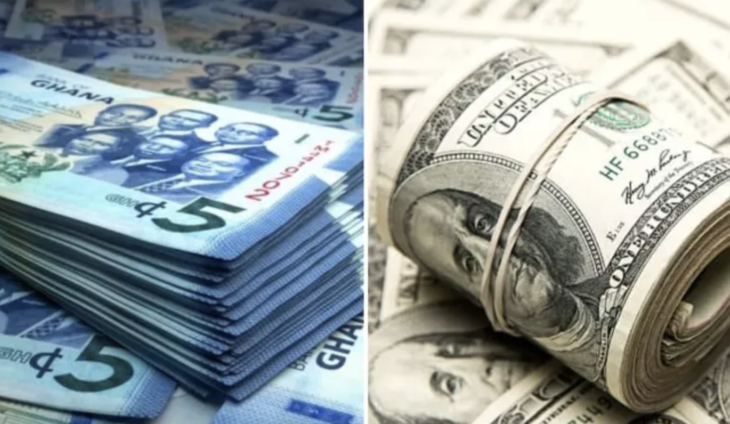
Ghana’s foreign exchange reserves are projected to reach five months of import cover by the end of 2025, Bank of Ghana (BoG) Governor Dr. Johnson Pandit Asiama said Monday, highlighting continued resilience in the country’s external position.
Gross reserves currently stand at $11.41 billion, equivalent to 4.8 months of import cover, supported by robust trade inflows, increased confidence in the cedi and operational reforms in the foreign exchange market, Asiama said at the 127th Monetary Policy Committee (MPC) meeting. The reserves have shown substantial recovery from the $3.62 billion recorded at the end of 2023, when Ghana’s foreign exchange position was severely constrained during its debt crisis.
“The cedi has demonstrated resilience in 2025, supported by improved confidence, strong operational reforms in the FX market and robust trade and reserve inflows. Gross reserves have risen to $11.41 billion, equivalent to 4.8 months of import cover, and are projected to reach 5 months by year end,” he said. Dr. Asiama linked the growing reserves to broader economic recovery, noting that inflation has eased to 8 percent with core inflation at 5 to 7 percent, while gross domestic product expanded 6.3 percent in the first half of the year and non oil GDP surged 7.8 percent.
The governor said the improved external buffers are part of Ghana’s broader macroeconomic turnaround, reflecting fiscal discipline, a cautious monetary stance and structural reforms, including improvements in foreign exchange operations and reserve management. He emphasized that stronger reserves provide a cushion against global shocks, stabilize the cedi and support ongoing economic growth.
In October 2025, Dr. Asiama announced at the official launch of Cedi@60 that Ghana’s international reserves had reached $12 billion, marking what he described as a remarkable turnaround from the economic challenges the country faced in late 2022, when the cedi depreciated by over 50 percent and inflation surged above 54 percent. He recalled that in November 2022, Ghana’s currency was ranked by Bloomberg as the world’s worst performing currency.
Dr. Asiama also underscored the BoG’s focus on ensuring financial sector stability, effective credit transmission and continued reform of the foreign exchange market, all essential to sustaining momentum in the real sector. The central bank has implemented several reforms to improve transparency and efficiency in the forex market, including the introduction of a forward auction system and enhanced monitoring of foreign exchange transactions.
Ghana’s foreign exchange reserves hit a record high of $9.92 billion in 2021 before declining sharply during the 2022 economic crisis. The minimum value of $40 million was recorded in 1970, according to historical data from the World Bank. The country’s reserves are held in various forms, including foreign currencies, gold holdings, special drawing rights and marketable securities denominated in foreign currencies.
The improved reserve position has contributed to the cedi’s performance in 2025. According to the World Bank, the cedi became the best performing currency in sub Saharan Africa for the first eight months of 2025, appreciating by 37 percent as of October 17. This represents a dramatic reversal from 2022 when it was the world’s worst performing currency.
The strengthening of Ghana’s external buffers comes as the government implements comprehensive fiscal reforms under President John Dramani Mahama’s administration, including stricter spending controls, amendments to the Public Procurement Act and a legislated debt ceiling limiting borrowing to 45 percent of GDP by 2030. These measures aim to prevent a repeat of the debt crisis that led to Ghana’s default on external obligations in late 2022.

