

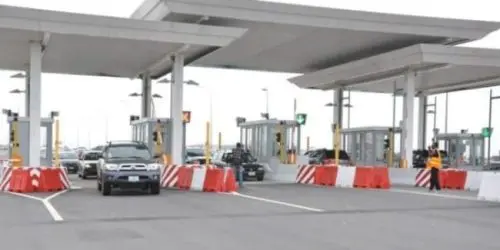
Ghana’s electronic road toll system will be operational by the fourth quarter of 2026, the Roads and Transport Committee of Parliament has confirmed, setting the first concrete timeline for a policy that has been promised but unscheduled since the previous government abolished manual tolls in 2021.
Isaac Adjei Mensah, Chairperson of the Roads and Transport Committee and Member of Parliament for Wassa East, disclosed the timeline to the Parliamentary Press Corps in Accra on Thursday, saying all feasibility studies and preparatory processes would be finalised ahead of the rollout.
The announcement came directly in response to criticism from the Minority Caucus, which on Tuesday accused the government of stalling on the policy. Minority Ranking Member on the committee Kennedy Osei Nyarko had described the situation as a setback to revenue mobilisation, saying that fifteen months into the current administration the promise remained unfulfilled with no visible commencement of the process.
Adjei Mensah rejected the criticism, arguing the Minority had no moral justification to question a policy that their side of the House dismantled. Before its abolition, he said, road tolls generated approximately GH₵60 million monthly for the state, a revenue stream whose removal has placed sustained pressure on the Road Fund and slowed maintenance across the country’s network.
President John Dramani Mahama confirmed during the 2026 State of the Nation Address that the reintroduction of road tolls would rely entirely on electronic collection rather than traditional manned booths, with the framework potentially linking vehicle registration data, Ghana Card information and mobile money platforms to charge road users automatically.
Beyond the toll announcement, the Committee addressed several other concerns the Minority raised. On the Big Push infrastructure programme, it clarified that only 44 percent of the 400 contracts awarded were through sole sourcing, with the remainder secured through competitive bidding. The Committee also disclosed that GH₵107 billion in road contractor arrears has been part-paid, and provided updates on the Boankra Inland Port project, the Mpakadan Railway System and the restructuring of the Road Fund into the Road Maintenance Trust Fund.
Ghana’s road condition mix currently stands at 47 percent good, 32 percent fair and 21 percent poor, according to data from the Roads Ministry, underscoring the scale of the maintenance backlog the electronic toll revenue is intended to address.

