

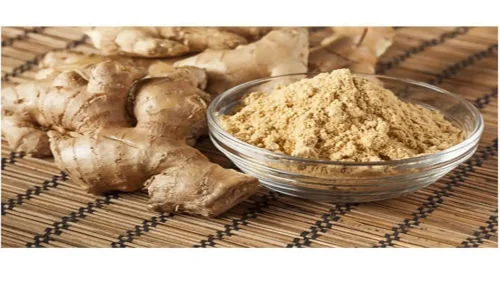
A disease outbreak that has ravaged ginger farms across Ghana for two years has triggered sharp price increases, widespread shortages and a growing reliance on imported supplies, with Chinese ginger now entering the local market as traders scramble to fill a deepening supply gap.
Across trading centres in Accra, Kumasi and Sunyani, wholesalers and distributors say ginger has become one of the most difficult spices to source. Prices have climbed steeply, with a full bag of ginger reported at between GH¢4,000 and GH¢6,500 in some areas, a level traders say now rivals the cost of a bag of rice. On social media marketplaces, advertisements offering 25 kilograms of imported Chinese ginger for GH¢2,000 on a pre-order basis have drawn significant interest, reflecting the pressure buyers face in securing any supply at all.
Deputy Minister for Food and Agriculture John Dumelo confirmed the scale of the problem, stating that “there’s a strange ginger disease that has come” and blaming the outbreak for transforming what was once an affordable household staple into a scarce and expensive commodity.
The ministry says the disease has significantly reduced yields across multiple farming communities historically associated with ginger cultivation. Traders have responded by sourcing imports not only from China but also from Côte d’Ivoire, Nigeria and Togo, while historical trade records show Ghana has also previously imported ginger from India, Sri Lanka and the Netherlands during earlier supply shortfalls.
Data from the Ghana Statistical Service shows China accounted for more than 23% of Ghana’s total imports in the fourth quarter of 2025, spanning machinery, electronics, textiles and increasingly, agricultural products. United Nations COMTRADE data indicates Ghana imported approximately US$39,740 worth of ginger, turmeric, saffron and related spice products from China in 2023. Earlier records show imports of roughly 284 kilograms from China in 2022, rising sharply to over 11,600 kilograms in 2021, illustrating a pattern of intermittent dependence on Chinese supply that predates the current crisis.
The broader trade relationship between Ghana and China reached a record bilateral volume of US$14.1 billion in 2025, with monthly import peaks approaching US$437 million in November of that year. A new policy dimension now adds to the dynamics: China extended 100% zero tariff treatment to all African diplomatic partners, including Ghana, effective May 1, 2026. Trade analysts say the move could reduce the landed cost of Chinese agricultural imports and make foreign ginger more price-competitive on the local market, potentially complicating the outlook for domestic producers.
Economists argue the ginger shortage exposes structural weaknesses in Ghana’s agricultural system, particularly insufficient investment in disease control, extension services and post-harvest management. The crisis also renews longstanding questions about import substitution, with successive government programmes including Planting for Food and Jobs having so far failed to insulate key crops from external supply shocks.
For consumers, herbal medicine producers, food vendors and processing companies that rely on ginger daily, the immediate concern remains affordability and availability. Some traders believe imported supplies may offer temporary relief, but others warn that continued disease pressure without adequate state support risks eroding the long-term incentive for local cultivation altogether.

