

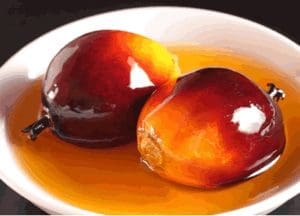
For the women of Omankrado Brom in the Central Region, producing palm kernel oil is not a business as much as it is a daily act of survival, one measured in sore hands, long hours, and earnings that rarely match the effort that goes into every gallon.
Producers in the community have described a production process that remains almost entirely manual, from the painstaking sorting of kernels by hand, to milling at local machines and the labour-intensive extraction that follows. The work stretches across the better part of a day, with output volumes that leave little room for growth or meaningful profit.
Aunty Abena, who has worked in the trade for more than three decades, represents both the resilience and the frustration of an industry that feeds households across Ghana but receives little in return for its producers. She and others like her have called for access to mechanised processing equipment, affordable credit, and government support that could ease the physical burden of production and allow them to increase output to meet growing demand.
Their concerns reflect a structural gap in Ghana’s palm oil economy. The country produces approximately 350,000 metric tonnes of palm oil annually against domestic demand of around 400,000 metric tonnes, leaving a 50,000-metric-tonne deficit that forces processors to rely on costly imports. Small-scale and artisanal producers, many of them women, bear the productive weight of this shortfall while operating with the least support in the value chain.
The challenges facing Omankrado Brom’s producers are not isolated. Artisanal and small-scale palm oil producers occupy a greater share of Ghana’s palm oil processing industry, contributing between 60 and 80 percent of the country’s palm oil output, yet most still rely on rudimentary tools and manual labour that cap both productivity and income.
The 2026 Budget has made some provisions for the sector. The government has allocated resources for the rollout of agro-processing plants in several regions including the Central Region, targeting crops that include palm kernel oil, and has announced a broader integrated oil palm development programme targeting 100,000 hectares of new plantations by 2032. Whether these commitments translate into direct relief for smallholder producers at the community level, however, remains to be seen.
For the producers of Omankrado Brom, the ask is straightforward: modern equipment, accessible financing, and a policy environment that treats their labour as the economic asset it is.

