

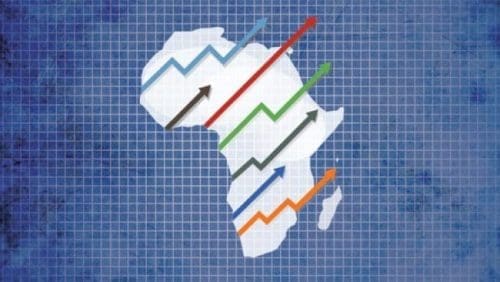
Sub-Saharan Africa’s economy is showing signs of resilience, with growth projected to accelerate from 3.5% in 2025 to 4.3% in 2026-2027, according to the latest Africa’s Pulse report.
The moderate recovery stems from easing inflation, currency stabilization, and renewed private consumption, yet significant hurdles remain in translating this growth into broad-based prosperity.
While regional inflation has halved from 7.1% in 2023 to 4.5% this year, per capita incomes in 2025 will still trail 2015 levels by 2%. The World Bank’s Andrew Dabalen notes a troubling disconnect: “Aspirations for quality jobs and public services continue to outpace institutional capacity.” Resource-dependent nations and conflict-affected states are particularly lagging behind more diversified economies, exacerbating employment challenges for Africa’s youth bulge.
The report identifies multiple headwinds, including climate shocks, trade realignments, and debt constraints that have shrunk fiscal space. With official development assistance declining, the analysis emphasizes smarter public spending on health, education and infrastructure to rebuild citizen trust. “Better services paired with transparent taxation can strengthen the social contract,” the report suggests, while urging governments to harness the African Continental Free Trade Area (AfCFTA) to diversify trade partners beyond traditional markets.
Private sector development emerges as a critical pathway, with recommendations to enhance competition through clearer market rules and anti-corruption measures. Such reforms could help absorb the 12 million young Africans entering the workforce annually – a demographic imperative that current growth rates struggle to address. The findings underscore that while macroeconomic stability is returning, its benefits remain uneven without structural changes to governance and economic diversification.
As global uncertainty persists, the report positions regional integration and institutional reforms as twin pillars for sustaining recovery. The coming years will test whether African policymakers can convert modest growth into meaningful poverty reduction, particularly through AfCFTA implementation and public-private partnerships that create quality employment opportunities continent-wide.

