

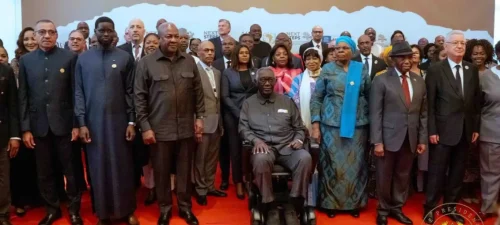
Ghana closed a three day reparations summit this week with a 46 paragraph commitment document and a Dutch pledge of 2,000 artefacts, but no physical items have yet returned home.
The summit, called the Next Steps Conference on Reparatory Justice, followed Ghana’s own push at the United Nations, where a resolution declaring the transatlantic enslavement of Africans the gravest crime against humanity passed in March by a vote of 123 to 3, with 52 abstentions. The United States, Israel and Argentina voted against it.
Delegates adopted what organisers are calling the Accra Next Steps Commitment, a 46 paragraph document covering truth telling, legal justice, compensation, cultural restitution, debt relief and diaspora engagement, among other areas, according to Foreign Minister Samuel Okudzeto Ablakwa. President John Dramani Mahama, who chairs the African Union’s reparations effort, also announced three new bodies at the conference: an advisory panel of current and former heads of state, an expert panel on artefact restitution, and a legal panel, all expected to feed a report to the United Nations Secretary General ahead of the General Assembly session in September.
The clearest concrete result to emerge from the gathering was a pledge from the Netherlands to return roughly 2,000 catalogued artefacts, with Germany separately signalling it would repatriate items from the Bono and Kpando traditional areas. Dutch ambassadors presented Mahama with the catalogue during the conference’s closing plenary. Neither government has set a date for when the objects would physically leave Europe.
If completed, the Dutch handover would dwarf the Netherlands’ previous largest single restitution, the 119 Benin Bronzes it returned to Nigeria in 2025. Ghana’s own record with pledges turning into deliveries has been mixed. Germany agreed in 2023 to return artefacts taken from the Akpini Traditional Area, a transfer that still has not happened, and Britain’s 2024 return of 32 Asante treasures came as a six year loan rather than a permanent transfer.
Mahama framed the stakes for delegates in his closing remarks, saying future audiences would “judge us not by the resolutions we adopted, but by the progress we achieved.”
The new panels are due to report to the United Nations Secretary General before the General Assembly meets in September, giving Ghana a concrete deadline to show whether Accra’s pledges turn into delivered objects and reparations financing, or another round of commitments without a shipment date.

